
Life after 50 often brings a noticeable shift in pace. Work may slow down, responsibilities begin to ease, and the structure that once shaped your days starts to loosen. For many men, this creates something unfamiliar—extra time. And while that sounds like a reward, it can quietly feel unsettling when there’s nothing meaningful to anchor the day.
Some men enjoy the freedom right away. Others notice small changes. Mornings feel less driven. Evenings stretch longer than expected. That steady sense of progress that once came from work or routine begins to fade, leaving behind a subtle restlessness.
This is where the right kind of hobby makes a real difference. Not as a way to stay busy, but as a way to bring back rhythm, focus, and a renewed sense of energy that carries into everyday life.
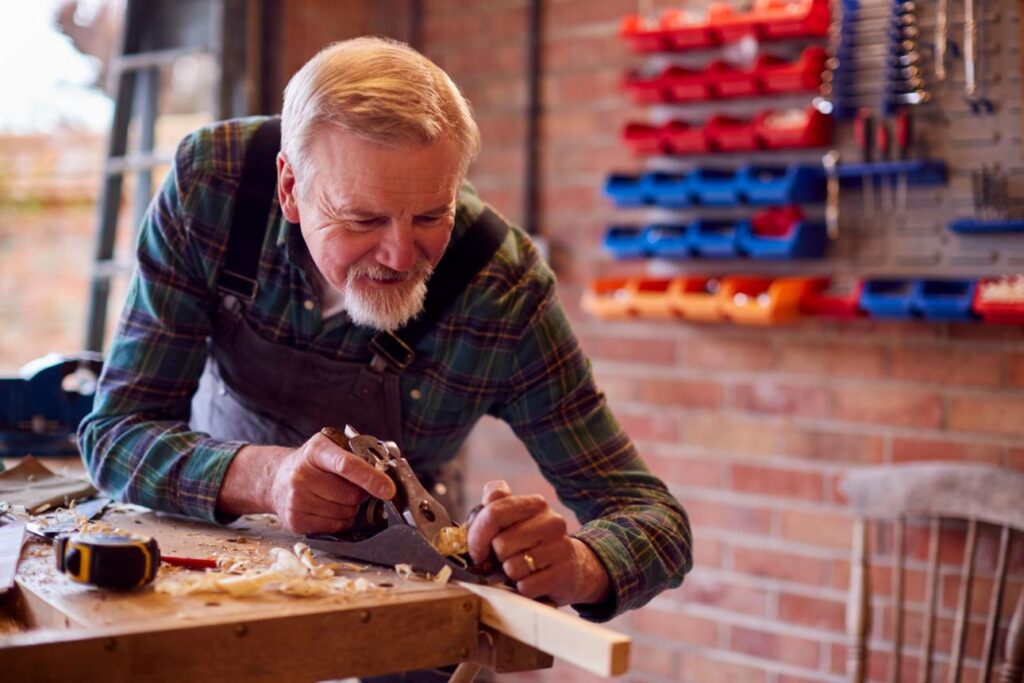
Woodworking: The Craft of Focus and Legacy
Working with wood creates a kind of focus that’s hard to find elsewhere. You start with something raw and slowly shape it into something useful, one step at a time.
At first, the process feels mechanical—measuring, cutting, sanding. But over time, it becomes more immersive. The steady rhythm of the work quiets mental noise. You begin to concentrate more naturally, without forcing it.
Many men find themselves losing track of time in the best way. Hours pass, yet it feels productive and calming rather than draining.
There’s also something deeply satisfying about creating something tangible. A small table, a shelf, or even a simple cutting board becomes part of your space—and a reminder of what you can still build.
Pickleball: The Social Fitness Boost
Staying active matters more with age, but not everyone wants a structured workout. Pickleball offers a different approach—one that feels more like fun than exercise.
It’s easy to learn and doesn’t require intense physical effort to get started. More importantly, it’s naturally social. Games are often played in doubles, which creates instant interaction and connection.
Instead of exercising alone, you’re laughing, competing lightly, and moving without overthinking it.
Over time, the benefits build quietly. Balance improves. Reflexes sharpen. Energy levels rise. But what stands out most is how enjoyable it feels, which makes it easier to stay consistent.
Gardening: Grounding Through Growth
Gardening has a way of slowing everything down—in a good way.
You step outside, focus on simple tasks, and begin working with your hands. Digging, planting, watering—it all feels natural and steady.
Many men notice that gardening shifts their attention away from overthinking. Instead of being caught in thoughts, you’re focused on something real and immediate.
There’s also a quiet satisfaction in watching things grow. Progress isn’t instant, but it’s visible over time.
Physically, it keeps you moving without strain. Mentally, it creates a sense of calm that’s hard to replicate indoors.
Learning a Musical Instrument: A Full Brain Workout
Picking up an instrument later in life might seem challenging at first. But that challenge is exactly what makes it rewarding.
Music engages the brain in a way few activities can. Memory, coordination, and emotion all work together, creating a full mental workout without feeling overwhelming.
In the beginning, progress may feel slow. A few notes, a simple rhythm. But those small steps add up.
Many men find that practicing even a few minutes a day becomes something they look forward to. It offers focus, breaks mental patterns, and creates a steady sense of improvement.
Hiking and Nature Photography: Movement with Perspective
Spending time outdoors naturally resets both the body and mind.
Hiking provides steady, low-impact movement that supports balance and coordination. It keeps you active without pushing too hard.
Adding photography changes the experience completely. Instead of simply walking, you begin to observe. Light, texture, movement—details that might normally go unnoticed.
This slows your pace in a meaningful way. You’re not rushing. You’re noticing.
Over time, this combination of movement and observation creates a sense of clarity that carries beyond the trail.
Research shows that engaging in meaningful activities plays a key role in long-term well-being. According to the Cleveland Clinic, hobbies that combine movement, creativity, and social interaction can help reduce stress, improve mood, and support cognitive health as we age.
This makes hobbies more than just optional—they become part of maintaining both mental clarity and overall quality of life.
Choosing What Fits Your Lifestyle
| Hobby | Stress Relief | Physical Activity | Social Element | Ease of Start |
|---|---|---|---|---|
| Woodworking | High | Medium | Low | Moderate |
| Pickleball | Medium | High | High | Easy |
| Gardening | High | Medium | Low | Easy |
| Musical Instrument | Medium | Low | Low | Easy |
| Hiking & Photography | High | Medium | Medium | Easy |
Each hobby offers something slightly different. Some bring calm and focus, while others add movement or connection. The best choice often depends on what your current routine is missing.
How These Hobbies Shift Daily Life
At first, starting something new may feel unfamiliar. There can be hesitation, or even a tendency to stop early.
But with consistency, something changes.
You begin to reach for the activity without thinking. The day feels more structured. Time feels better used.
That quiet sense of satisfaction returns—not from pressure, but from progress.
If you’re also working on improving your routine, Daily Habits That Bring Energy and Comfort After 50 can support these changes naturally.
Recommended Simple Tools To Begin
Getting started doesn’t require a big investment.
Woodworking Basics
Music Learning Essentials
Recommended Outdoor Gear
For gardening or hiking, comfort makes a difference.
These small details help make the experience smoother and more enjoyable.
❓ FAQ
What is the best hobby for men over 50?
It depends on your lifestyle. Woodworking suits hands-on thinkers, while pickleball is great for social interaction.
Can hobbies really reduce stress?
Yes. Meaningful activities help calm the mind and reduce everyday tension.
Is it too late to start something new?
Not at all. Learning new skills keeps the mind sharp and builds confidence.
How often should I do a hobby?
A few sessions each week are enough to see benefits. Consistency matters more than duration.
What if I lose interest?
That’s part of the process. Trying different hobbies helps you discover what fits naturally.
Final Thoughts
Hobbies after 50 are not about filling empty time—they’re about changing how that time feels.
As life shifts, the structure you once relied on doesn’t disappear completely. It simply changes form. What you choose to do each day becomes more important than ever.
A simple activity can bring back energy, focus, and a sense of direction without pressure.
Start small. Stay consistent. Let it grow naturally.
That’s where zest for life returns—not all at once, but through steady, meaningful moments that bring your days back to life.
Having time is one thing—but using it in a way that brings energy and meaning is what truly brings life back into your days.
— Sam Ammouri
Affiliate Disclaimer
Some links in this article may be affiliate links, including links to Amazon and other partners. This means a small commission may be earned at no extra cost to you.