
Life after 50 often brings a quieter rhythm, and many begin exploring creative hobbies for women over 50 as a way to bring calm, purpose, and enjoyment back into daily life at home. The busy years of raising a family or managing a demanding career begin to shift, leaving more time to slow down and notice how each day feels.
For some, that quiet feels peaceful. For others, it creates small gaps—moments where the day feels longer than expected. You may find yourself sitting more, thinking more, or feeling a bit restless without knowing exactly why.
What often goes unnoticed is how important creative engagement becomes during this stage. Without something meaningful to return to, days can start to feel repetitive. Small aches may feel more present. Mental fatigue can quietly build, even when life seems calm on the surface.
That’s where creative hobbies step in—not as a way to pass time, but as something that gently reshapes your daily experience at home.
Knitting & Crochet
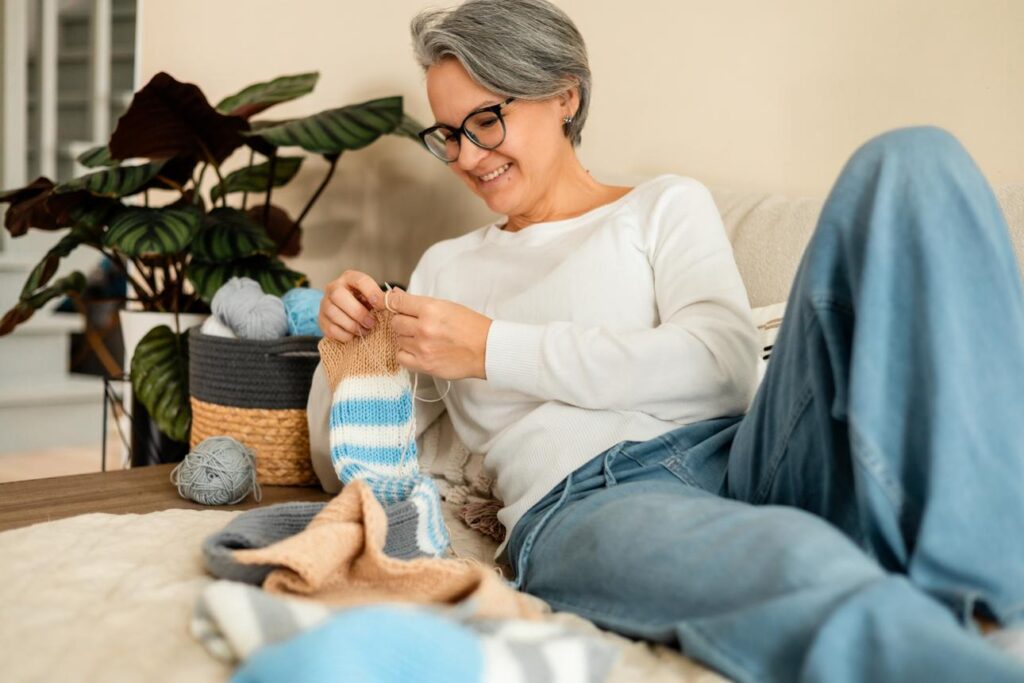
Many women notice that once they settle into the rhythm, their breathing slows down. Thoughts begin to quiet. Even the tension in the shoulders softens without effort. It doesn’t demand intense focus, but it keeps the mind gently engaged.
Following patterns, counting stitches, and watching something grow row by row creates a steady sense of progress. Even on slower days, you can look down and see that something has moved forward.
Another overlooked benefit is how naturally social this hobby can be. It fits easily into everyday life—while watching television, sitting with family, or enjoying a quiet evening.
Pottery & Clay Work
The texture of clay, the pressure of shaping it, and the slow transformation from soft material into form create a grounding experience. It pulls you into the present moment without forcing it.
Many women describe losing track of time while working with clay. What begins as a short session often stretches longer simply because it feels calming and immersive.
There’s also a quiet physical benefit. The movements strengthen the hands gently, helping maintain flexibility and coordination without strain.
Unlike many activities, clay invites experimentation. If something doesn’t turn out the way you expected, you can reshape it and begin again. That freedom removes pressure and allows creativity to feel natural rather than forced.
Watercolor Painting
What makes watercolor unique is its unpredictability. Water moves on its own, blending colors in ways that can’t always be controlled. At first, this may feel frustrating. Over time, it becomes part of the appeal.
You begin to let go of trying to make everything perfect. Instead, you follow the flow of the paint, allowing the process to guide you.
This subtle shift carries into everyday life. You may notice yourself becoming more patient, more accepting of small imperfections, and less focused on getting everything “just right.”
Painting also offers a quiet way to express emotions without needing words. Even simple shapes and colors can reflect how you feel in that moment.
Upcycling & Furniture Refinishing
An old chair becomes part of your living space again. A faded table turns into something you’re proud to display. Each project carries a visible “before and after,” which creates a strong sense of accomplishment.
This type of work also keeps your mind engaged practically. You think through steps, solve small challenges, and make decisions along the way.
There’s also something empowering about using your hands to create real change in your environment. It builds confidence quietly, without needing recognition from anyone else.
Embroidery & Needlepoint
Embroidery is slow, detailed, and deeply absorbing. Each stitch requires attention, yet the overall process remains calm and steady.
Over time, this kind of focused movement helps maintain hand-eye coordination and fine motor control. It encourages patience without feeling forced.
Many women find comfort in the quiet nature of embroidery. It becomes a space where distractions fade, and attention narrows gently.
Beyond the physical and mental benefits, embroidery also allows for personal expression. Designs can be simple or detailed, practical or decorative. Some create pieces for their home, while others enjoy giving them as meaningful gifts.
Research continues to show that creative, hands-on activities support mental well-being and cognitive function as we age. According to the Cleveland Clinic, engaging in activities like knitting, painting, and crafting can help reduce stress, improve mood, and keep the brain actively engaged over time.
This isn’t about staying busy for the sake of it. It’s about choosing activities that naturally bring calm while keeping both the mind and body involved.
Choosing What Fits Your Life
| Hobby | Relaxation Level | Physical Use | Creativity | Ease of Start |
|---|---|---|---|---|
| Knitting & Crochet | High | Low | Medium | Easy |
| Pottery & Clay | Medium | Medium | High | Moderate |
| Watercolor Painting | High | Low | High | Easy |
| Upcycling Furniture | Medium | High | Medium | Moderate |
| Embroidery | High | Low | High | Easy |
Each option brings something slightly different. Some are more calming, while others involve more movement or problem-solving. The best choice often depends on what your day currently feels like—and what it may be missing.
How These Hobbies Quietly Change Daily Life
At first, starting something new may feel unfamiliar. Hands may hesitate. Focus might drift. That’s normal.
With time, something subtle begins to shift.
You reach for your hobby without thinking. Evenings feel less empty. The home feels more alive—not because anything dramatic changed, but because your attention has somewhere meaningful to go.
This kind of change doesn’t happen overnight. It builds slowly through repetition and comfort.
If you’ve already been working on improving your routine, you might also enjoy Daily Habits That Bring Energy and Comfort After 50, which complements these creative activities in a natural way.
Recommended Simple Tools To Begin
Starting small makes the biggest difference.
Knitting & Crochet Essentials
- Lightweight needles that feel easy in your hands
- Soft yarn that doesn’t irritate your skin
- Simple patterns to build confidence
Watercolor Basics
Recommended Upcycling Basics
If furniture projects appeal to you, keeping things simple helps you enjoy the process.
These small choices reduce frustration and make the experience more enjoyable from the start.
❓ FAQ
What is the easiest hobby to start after 50?
Knitting, watercolor painting, and embroidery are often the easiest because they require minimal setup and can be done at your own pace.
Can creative hobbies really reduce stress?
Yes, repetitive and hands-on activities naturally calm the mind and help reduce everyday tension.
What if I’ve never been creative before?
Creativity develops over time. Starting simple and staying consistent is more important than skill.
Are these hobbies helpful for hand stiffness?
Many of them involve gentle movement that can support flexibility and coordination when done comfortably.
How often should I practice a hobby?
Even short sessions of 15–30 minutes a few times a week can make a noticeable difference.
Final Thoughts
Creative hobbies are not about filling time—they change how time feels.
After 50, life doesn’t slow down negatively. Instead, it opens space. What you choose to place in that space shapes your daily experience more than anything else.
A quiet evening with knitting, a soft afternoon with watercolor, or a small project that brings something back to life can shift your mood in ways that feel both simple and lasting.
You don’t need to take on everything at once. Start with one. Let it become familiar. Over time, it becomes something you look forward to without effort.
That’s where the real transformation happens—through small, consistent moments that bring calm, purpose, and quiet satisfaction into everyday life.
Creativity isn’t about perfection—it’s about giving your mind a place to breathe and your hands something meaningful to do.
— Sam Ammouri
Affiliate Disclaimer
Some links in this article may be affiliate links, including links to Amazon and other partners. This means a small commission may be earned at no extra cost to you.