
It doesn’t happen right away. You start driving, everything feels normal, and then gradually your hands begin to tingle. Maybe a few fingers feel numb. Maybe your grip doesn’t feel quite as strong or comfortable as it did when you first got behind the wheel.
The sensation often becomes more noticeable during longer drives when your hands stay in the same position for extended periods. It can be frustrating, especially when it keeps happening and you’re not sure what’s causing it.
If you’ve been wondering why your hands go numb when driving after 50, nerve pressure, hand position, and reduced movement are often part of the explanation. In many cases, a few simple adjustments can help reduce discomfort and make driving more comfortable.
Why Do My Hands Go Numb When Driving After 50?
👉 Hands go numb when driving after 50 mainly because of nerve pressure, hand position, and reduced movement while holding the steering wheel.
When your hands stay in one position for too long, pressure builds on nerves, and circulation slows slightly.
Because of this:
- Tingling may start
- Fingers may feel numb
- Grip may feel weaker
At the same time, this often connects with other nerve-related issues. For example, many people also experience Why Do My Hands Go Numb at Night After 50? Causes, Relief, and Simple Habits That Help, which is linked to similar pressure and positioning patterns.
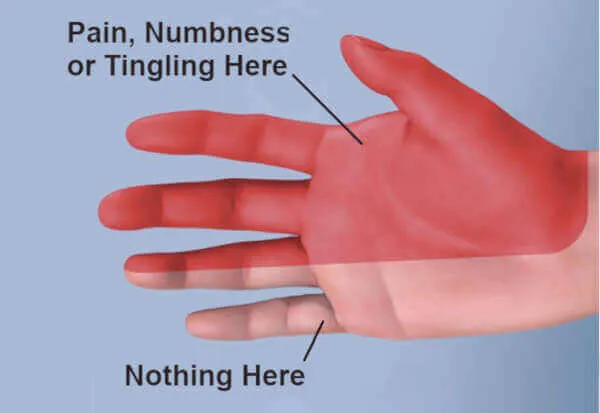
What Causes Hands to Go Numb While Driving?
Let’s keep this simple.
1. Holding the Steering Wheel Too Tightly
A tight grip puts pressure on the nerves in your hands and wrists.
Because of this:
- Nerve signals are affected
- Tingling begins
- Numbness follows
2. Keeping Your Hands in One Position Too Long
When your hands don’t move, circulation slows.
For example:
- Long drives
- Fixed hand position
As a result, the familiar “pins and needles” feeling can appear.
3. Wrist Position Matters More Than You Think
Bent wrists can compress important nerves.
In particular:
- The median nerve in the wrist
- Nerve pathways that control finger sensation
4. Neck and Shoulder Tension
Nerves travel from your neck down to your hands.
If your shoulders are tense:
- Nerve pathways can be compressed
- Symptoms may increase
5. Reduced Circulation During Long Drives
Sitting still affects blood flow.
Because of this:
- Circulation slows
- Numbness becomes more noticeable
A Simple Way to Look at It
👉 Your hands aren’t the problem—they’re just under pressure and not moving enough.
Simple Ways to Prevent Hand Numbness While Driving
You don’t need anything complicated.
1. Relax Your Grip
Hold the steering wheel lightly instead of tightly.
This reduces nerve pressure right away.
2. Change Hand Positions Often
Small movements make a big difference.
For example:
- Shift your grip
- Move your fingers
- Shake out your hands briefly
3. Adjust Your Seat and Steering Wheel
Make sure:
- Arms are slightly bent
- Shoulders stay relaxed
This helps reduce strain.
4. Take Breaks on Longer Drives
Stopping every 30–60 minutes helps restore circulation.
Even a short break can help.
5. Support Comfort During Driving
Some people find a few simple tools helpful.
Some people find these helpful:
– Ergonomic steering wheel covers for better grip
– Compression gloves for circulation support
– Driving posture support cushions
Also, you may click here to see more products and supplements that can relieve your condition
What Experts Say About Hand Numbness
According to the Mayo Clinic, nerve compression or prolonged pressure on the wrist and arm can interfere with nerve signals and cause numbness or tingling in the hands.
Why This Matters More Than You Think
Hand numbness may seem minor. However, it can affect:
- Driving comfort
- Grip control
- Focus
Because of this, small fixes can improve safety and comfort.
Common Mistakes to Avoid
- Gripping the wheel too tightly
- Keeping hands in one position for too long
- Driving with poor posture
- Ignoring repeated symptoms
FAQ
Is it normal for hands to go numb while driving after 50?
Yes, it’s common and usually related to pressure and positioning.
Can this be carpal tunnel?
Sometimes, especially if symptoms happen frequently.
Does posture matter?
Yes, proper alignment reduces nerve pressure.
Do small movements help?
Yes, they improve circulation and reduce numbness.
You May Also Find Helpful
-
Why Do My Fingers Go Numb While Sleeping After 50? Causes and Simple Ways to Prevent It
-
Why Do My Arms Go Numb When I Sleep After 50? Causes and Simple Ways to Prevent It
-
Why Do My Hands Go Numb at Night After 50? Causes, Relief, and Simple Habits That Help
Final Thoughts
If your hands go numb when driving after 50, it usually doesn’t mean something is wrong.
In most cases, it’s simply how your body responds to pressure, posture, and lack of movement.
With a few small changes, driving can feel comfortable again.
“There is no problem that has no solution and no illness that has no medicine.”
— Sam Ammouri
Medical Disclaimer
This content is for informational purposes only and is not intended as medical advice. Always consult a healthcare professional if needed.
Affiliate Disclosure
Some pages on PowerAt50Plus may contain affiliate links, including links from the Amazon Associates Program and other trusted partner programs.
This means that if you click on certain links and make a purchase, I may earn a small commission at no extra cost to you.
These commissions help support the website and allow me to continue creating practical content focused on healthy living, smarter saving, and everyday life after 50.
I only recommend products, services, or resources that I believe may provide real value to readers.
Thank you for supporting PowerAt50Plus.