
Waking up with a numb hand can be an unsettling experience.
One moment you’re asleep, and the next you’re trying to shake feeling back into your fingers while wondering what caused it. The sensation may feel like pins and needles, tingling, burning, or a temporary loss of feeling that takes a few minutes to disappear.
For some people, it happens only occasionally. For others, it becomes a recurring nighttime problem that interrupts sleep and raises questions about circulation, nerve health, or aging.
The good news is that nighttime hand numbness after 50 is often linked to common causes such as nerve pressure, sleep position, wrist strain, or mild nerve irritation. Understanding what may be triggering the problem is the first step toward finding relief and preventing those uncomfortable wake-up calls.
Why Do Hands Go Numb at Night After 50?
Hands go numb at night after 50 mainly because of temporary nerve compression during sleep, which interrupts normal nerve signals and creates tingling or loss of sensation.
Nerves carry signals between the brain and the body. When pressure affects these signals, it can result in:
• Tingling
• Numbness
• Burning sensations
• Temporary weakness
During sleep, staying in one position for long periods can compress a nerve, especially in the wrist or arm.
As the body changes with age, nerves can become more sensitive to pressure due to reduced flexibility, mild inflammation, and accumulated strain from daily use.
Carpal Tunnel Syndrome: A Common Cause
One of the most common causes of nighttime hand numbness is carpal tunnel syndrome.
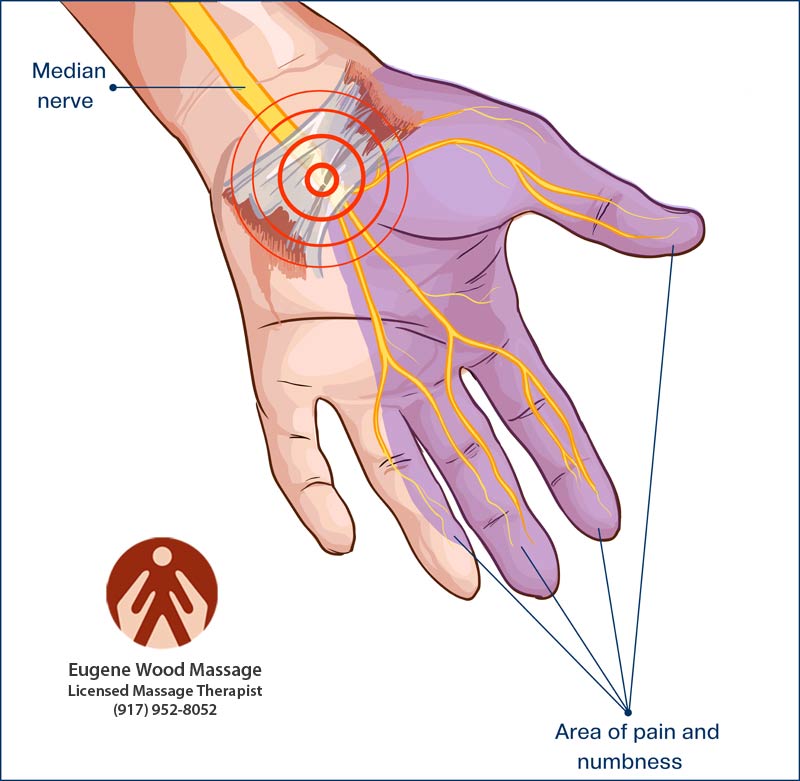
Inside the wrist is a narrow passageway called the carpal tunnel, which contains the median nerve.
When swelling or irritation occurs, the nerve becomes compressed.
Typical symptoms include:
• Tingling in the thumb and fingers
• Numbness during sleep
• Shaking the hands to restore feeling
• Difficulty gripping objects
What Experts Say About Nighttime Hand Numbness
The National Institute of Neurological Disorders and Stroke explains that carpal tunnel syndrome occurs when the median nerve becomes compressed as it travels through the wrist, leading to numbness, tingling, or weakness in the hand.
Sleep Position Can Trigger Nerve Pressure
Many people unknowingly sleep in positions that compress nerves.
Common examples include:
• Sleeping with wrists bent inward
• Placing hands under the pillow
• Resting the head on the arm
• Curling the wrists tightly
When the wrist remains bent for several hours, nerve pressure increases.
Some people who experience nighttime numbness also notice related symptoms, such as Why Do My Fingers Lock in the Morning After 50?, which can share similar underlying causes.
Support Tools That May Help Reduce Nighttime Numbness
Some people find it helpful to use simple tools that support wrist alignment during sleep.
Why Do Hands Go Numb at Night After 50?
Hands go numb at night after 50 mainly because of temporary nerve compression during sleep, which interrupts normal nerve signals and creates tingling or loss of sensation.
Nerves carry signals between the brain and the body. When pressure affects these signals, it can result in:
• Tingling
• Numbness
• Burning sensations
• Temporary weakness
During sleep, staying in one position for long periods can compress a nerve, especially in the wrist or arm.
As the body changes with age, nerves can become more sensitive to pressure due to reduced flexibility, mild inflammation, and accumulated strain from daily use.
Carpal Tunnel Syndrome: A Common Cause
One of the most common causes of nighttime hand numbness is carpal tunnel syndrome.
Inside the wrist is a narrow passageway called the carpal tunnel, which contains the median nerve.
When swelling or irritation occurs, the nerve becomes compressed.
Typical symptoms include:
• Tingling in the thumb and fingers
• Numbness during sleep
• Shaking the hands to restore feeling
• Difficulty gripping objects
What Experts Say About Nighttime Hand Numbness
The National Institute of Neurological Disorders and Stroke explains that carpal tunnel syndrome occurs when the median nerve becomes compressed as it travels through the wrist, leading to numbness, tingling, or weakness in the hand.
Sleep Position Can Trigger Nerve Pressure
Many people unknowingly sleep in positions that compress nerves.
Common examples include:
• Sleeping with wrists bent inward
• Placing hands under the pillow
• Resting the head on the arm
• Curling the wrists tightly
When the wrist remains bent for several hours, nerve pressure increases.
Some people who experience nighttime numbness also notice related symptoms, such as Why Do My Fingers Lock in the Morning After 50?, which can share similar underlying causes.
Support Tools That May Help Reduce Nighttime Numbness
Some people find it helpful to use simple tools that support wrist alignment during sleep.
– Nighttime wrist braces for carpal tunnel support
– Soft, breathable wrist stabilizers
– Adjustable wrist supports designed for comfort
You may click here to explore additional natural supplements and products that may help support your comfort and wellness.
Circulation Changes During Sleep
Circulation naturally slows slightly during sleep.
If an arm is positioned under the body or a pillow, blood flow may temporarily decrease.
This can create the familiar “hand falling asleep” sensation.
Movement usually restores circulation quickly.
Nutrients That Support Nerve Health
Healthy nerves rely on proper nutrition.
Important nutrients include:
Available at Amazon
• Vitamin B12
• Magnesium
• Vitamin B6
• Omega-3 fatty acids
Some people also notice improved overall energy when addressing nutrient balance, as explained in Why Am I Always Tired After 50?.
Daily Habits That May Contribute
Repetitive hand use can gradually increase pressure on the wrist.
Common examples include:
• Typing for long periods
• Phone use
• Gripping tools
• Driving for extended periods
Helpful habits include:
• Taking breaks
• Stretching the wrists
• Improving posture
• Reducing repetitive strain
Gentle Stretches That May Help
Simple stretches can improve circulation and reduce tension.
Wrist Flexor Stretch
Extend your arm with the palm facing up and gently pull the fingers downward.
Wrist Extensor Stretch
Extend your arm with the palm facing down and gently pull the fingers upward.
Common Mistakes to Avoid After 50
Ignoring Persistent Symptoms
Frequent numbness should not be ignored.
Sleeping With Bent Wrists
Keeping wrists neutral reduces nerve pressure.
Overusing Hands Without Breaks
Repetitive strain increases irritation.
Skipping Stretching
Stretching supports flexibility and circulation.
Frequently Asked Questions
Why do my hands go numb only at night?
Because nerves remain compressed longer during sleep when the body stays in one position.
Is nighttime hand numbness dangerous?
Most cases are harmless, but persistent symptoms should be evaluated.
Does shaking my hands help?
Yes, movement restores circulation and nerve signals.
Can exercise improve nerve health?
Yes, regular movement supports circulation and nerve function.
You May Also Find Helpful
Click here to explore natural supplements and products that may help relieve your condition.
READ THESE ARTICLES
• Why Do My Legs Cramp at Night After 50? Causes, Natural Relief, and Simple Habits That Help
• Magnesium Deficiency After 50: Symptoms, Causes, and Natural Ways to Fix It
• How to Sleep Better After 50: Simple Habits for Deeper, Restful Sleep
Final Thoughts
Waking up with numb hands at night after 50 can feel uncomfortable, but in most cases, the cause is simple and manageable.
Small changes—such as improving sleep position, supporting nerve health, and reducing repetitive strain—can lead to noticeable improvement.
The body continues to adapt with age, and even small adjustments can make a meaningful difference.
There is no problem that has no solution and no illness that has no medicine.
— Sam Ammouri
About the Author
I am Sam Ammouri, the founder of PowerAt50Plus.com—a platform built from real-life experience, resilience, and a deep commitment to helping others feel better after 50.
After facing serious health challenges, I chose to take control through consistent habits, movement, and practical strategies. That journey became the foundation of this website.
Today, I share realistic, simple approaches to help improve comfort, mobility, and confidence—without overwhelming routines.
– Sam Ammouri
Medical Disclaimer
This article is for informational purposes only and does not replace professional medical advice. Always consult a qualified healthcare provider regarding any persistent or concerning symptoms.
Affiliate Disclaimer
This article may contain affiliate links. If a purchase is made, it may earn a small commission at no additional cost to you. This helps support the site.