
If your arms go numb when you sleep after 50, it’s usually caused by pressure on nerves or reduced circulation during the night. While you sleep, your body can stay in one position for hours. Because of that, nerves in the shoulder, neck, or arm may become compressed, leading to that familiar numb or “asleep” feeling.
The good news is that this is very common, and in most cases, the sensation goes away quickly once you change position.
In most cases, arm numbness during sleep after 50 is not dangerous, but it is a sign your body needs better support, positioning, and movement.
Can Arm Numbness During Sleep After 50 Be Something Serious?
In most cases, it isn’t serious. However, it depends on how your body responds.
If the numbness:
– Goes away quickly after you move
– Happens occasionally
– Doesn’t affect strength or movement
Then it’s usually harmless.
On the other hand, if it:
– Happens every night
– Lasts long after waking
– Comes with weakness or pain
Then it’s worth paying closer attention.
If you also notice numbness in your hands at night, you may want to read Why Do My Hands Go Numb at Night After 50? Causes, Relief, and Simple Habits That Help for a deeper look at related causes.
Common Causes of Arms Going Numb When Sleeping After 50
Several factors can come together to cause this.
Nerve Compression During Sleep
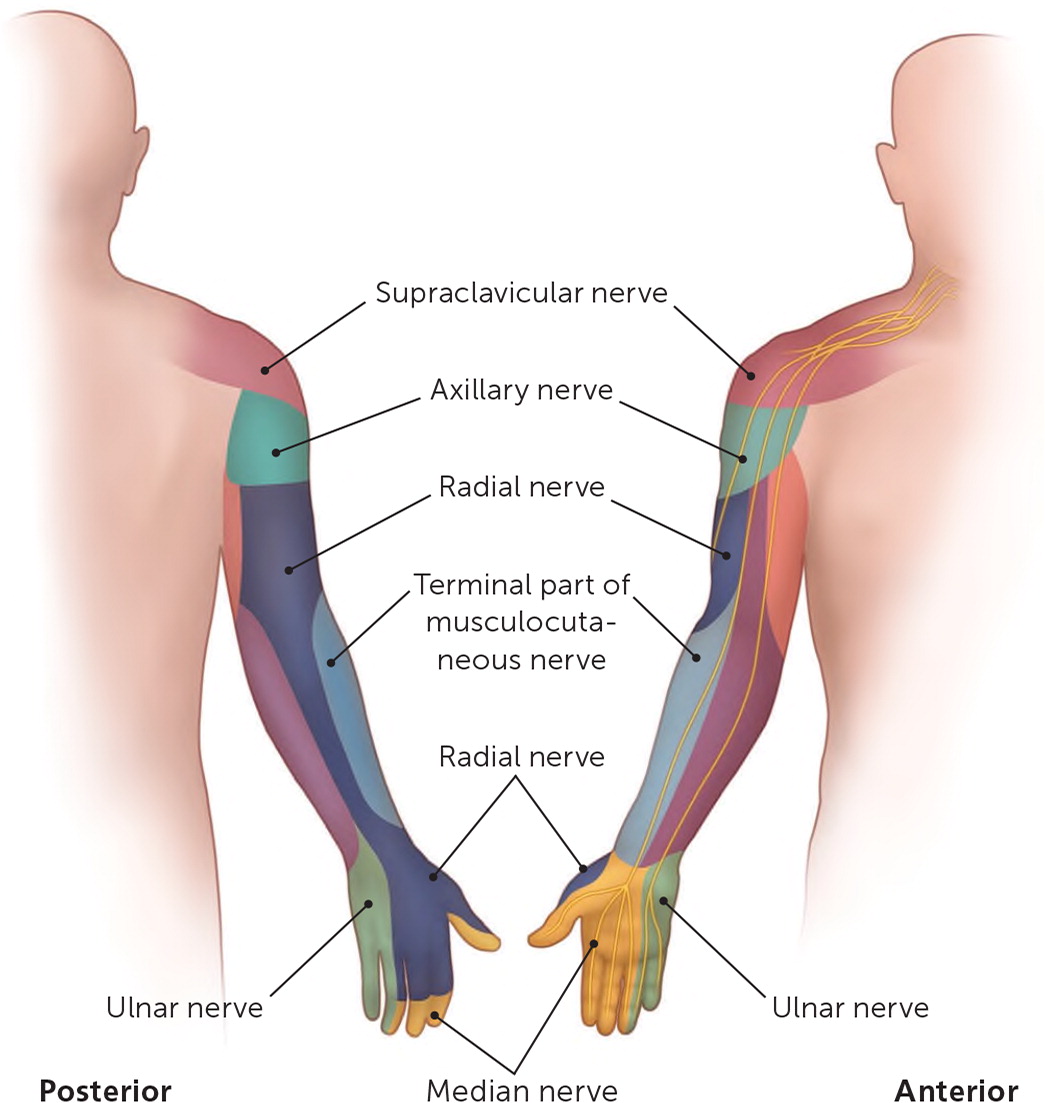
Nerves run from your neck through your shoulder and down your arm.
When you sleep in certain positions, these nerves can become compressed. As a result, signals between your brain and arm are temporarily reduced, leading to numbness or tingling.
Once you move, the pressure is relieved and sensation returns.
Sleeping Position and Shoulder Pressure
Sleeping on your side can place pressure on the shoulder for long periods.
Over time, this pressure may affect both circulation and nearby nerves, causing the arm to feel numb.
Reduced Circulation During the Night
When your arm stays in one position too long, blood flow can slow slightly.
When circulation returns, you may feel the familiar “pins and needles” sensation.
Neck Alignment Issues
Your neck plays a big role in how nerves function.
If your pillow pushes your head too far forward or sideways, it can place pressure on nerves that travel into your arms.
What Most People Don’t Realize About Arm Numbness After 50
Here’s something important:
It’s not just about age—it’s about positioning and support.
As flexibility decreases over time, your body becomes more sensitive to pressure during sleep.
That’s why something as simple as arm placement or pillow support can make a big difference.
Simple Ways to Prevent Arm Numbness During Sleep
Instead of ignoring the problem, small adjustments can make a noticeable difference.
Adjust Your Sleeping Position
Try to avoid sleeping with your arm under your head or body.
Let your arm rest comfortably at your side or supported by a pillow.
Side sleepers may benefit from hugging a pillow to reduce shoulder pressure.
Improve Pillow Support
Your pillow should keep your neck in a neutral position.
If your head tilts too far, it can affect nerve pathways.
Gentle Stretching Before Bed
Light stretching of the shoulders, arms, and neck can help reduce tension before sleep.
Even a few minutes can improve circulation and flexibility.
A Helpful Option Some People Use
If this happens often, some people find that simple supportive tools help maintain better sleep posture.
“Some people find that using simple supportive tools regularly can make nighttime comfort much easier.”
– Cervical support pillows for proper neck alignment
– Side-sleeper pillows that reduce shoulder pressure
– Adjustable memory foam pillows for personalized support
What Experts Say About Arm Numbness During Sleep After 50
Mayo Clinic
Numbness in the arms can occur when nerves are compressed or circulation is reduced, often due to sleep position or pressure on the neck, shoulder, or wrist.
Common Mistakes That Make It Worse
Sleeping on the Arm
This puts direct pressure on nerves and restricts circulation.
Poor Pillow Support
A pillow that is too high or too flat can affect neck alignment.
Staying in One Position Too Long
Not moving during sleep increases pressure on certain areas.
Ignoring Early Signs
Frequent numbness is a signal your sleep setup needs adjustment.
Frequently Asked Questions
Is it normal for arms to go numb during sleep after 50?
Yes. Many people experience this due to sleep position and pressure on nerves.
Can a pillow cause arm numbness?
Yes. Poor neck alignment can affect nerves that run into the arms.
Should I worry about it?
Occasional numbness is usually harmless. Persistent symptoms should be evaluated.
How can I prevent it?
Improving sleep posture, reducing pressure, and using supportive pillows can help significantly.
You May Also Find Helpful
-
Why Do My Hands Go Numb at Night After 50? Causes, Relief, and Simple Habits That Help
-
Why Do My Shoulders Hurt When I Wake Up After 50? Causes and Simple Ways to Sleep More Comfortably
-
Why Do My Toes Go Numb at Night After 50? Causes and Simple Ways to Improve Circulation
Note:
Some links in this article may be affiliate links. If you choose to make a purchase through them, I may earn a small commission at no extra cost to you.
I’m not a doctor or a medical professional. I’m sharing what I’ve learned through my own experience and research. This information is for general understanding only and should not replace professional medical advice.
Final Thoughts
If your arms go numb when you sleep after 50, it’s usually your body responding to pressure and positioning during the night.
The key is not to ignore it—but to adjust how you sleep.
Small changes in posture, support, and daily habits can make a big difference.
Over time, many people find that the numbness becomes less frequent and sleep becomes more comfortable.
“There is no problem that has no solution and no illness that has no medicine.”
— Sam Ammouri