
It starts small. Maybe the cage doesn’t get cleaned as often as it used to. Maybe the food stays the same out of habit. Nothing feels “wrong,” just slightly off. And because birds don’t complain the way other pets do, those small things are easy to ignore.
Over time, though, those little shifts begin to matter. Energy changes, routines slow down, and what used to feel effortless now requires a bit more thought. That doesn’t mean you can’t care for a bird properly—it just means the approach needs to adjust.
The good news is this: most bird care mistakes after 50 aren’t serious problems—they’re simple oversights. And once you see them clearly, they’re surprisingly easy to fix.
Why Bird Care Changes After 50 (Without You Realizing It)
There’s no big moment where things suddenly change. It’s gradual.
You might sit more often. Move a little slower. Choose convenience over effort some days. And honestly, that’s normal. The issue isn’t the change—it’s when your bird’s environment stays stuck in an older routine that no longer fits your daily rhythm.
Birds rely heavily on consistency. So when cleaning, feeding, or setup habits shift—even slightly—it can affect their health more than expected.
That’s where most mistakes come from: not neglect, but outdated routines.
Mistake #1: Relying on a Seed-Only Diet
It’s one of the most common habits, especially for long-time bird owners.
Seeds are easy. Birds love them. And if you’ve used them for years, it feels natural to stick with what works. However, over time, an all-seed diet can quietly lead to nutritional gaps.
What’s really happening:
Seeds are high in fat but low in essential nutrients. As birds age, this imbalance becomes harder on their system.
What people overlook:
If your bird “looks fine,” it’s easy to assume the diet is fine too. But many deficiencies show up slowly—through feather quality, energy, or behavior.
Simple fix:
- Start mixing high-quality pellets into the seed
- Add small portions of fresh vegetables (like leafy greens or carrots)
- Transition gradually so your bird accepts the change
Mistake #2: Ignoring Everyday Household Hazards
This one catches people off guard.
Your home feels safe—but for birds, certain everyday things can be dangerous.
What’s really happening:
Birds have extremely sensitive respiratory systems. Things like cooking fumes, aerosol sprays, or even strong cleaners can affect them quickly.
What people overlook:
- Nonstick cookware fumes
- Open toilet lids (risk of drowning or contamination)
- Drafty areas near windows or vents
Simple fix:
- Keep birds away from the kitchen while cooking
- Switch to bird-safe cleaning habits
- Close lids and reduce exposure to strong smells
For a deeper look at how environments impact breathing comfort, you can explore why indoor air changes can affect daily comfort after 50—it connects more than most people realize.
Mistake #3: Poor Cage Placement and Setup
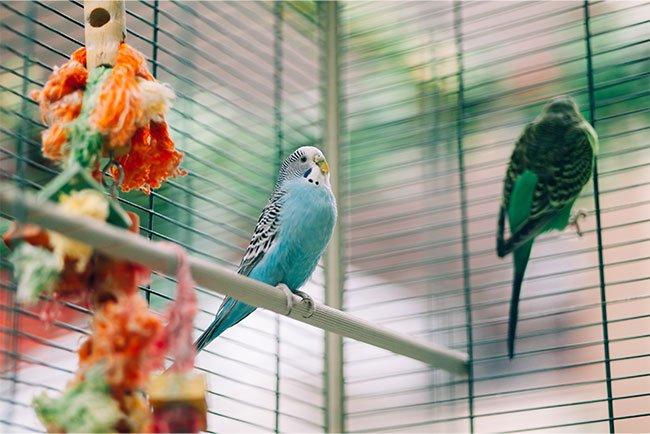
Sometimes the issue isn’t the cage—it’s where and how it’s set up.
What’s really happening:
Birds need a balance of light, calm, and social interaction. Too much noise, wind, or isolation can stress them.
What people overlook:
- Direct drafts from vents or fans
- Too much isolation in a quiet room
- Overexposure to constant noise
Simple fix:
- Place the cage in a lived-in but calm area
- Avoid direct airflow
- Keep a predictable day-night rhythm
👉 Later, we’ll go deeper into this with a full setup guide designed to make everything easier and low-effort.
Mistake #4: Not Adjusting for an Aging Bird
Birds age too—and they don’t hide it as well as you might think.
What’s really happening:
Older birds can develop stiffness, a weaker grip, or vision changes. If the cage setup stays the same, it becomes harder for them to move safely.
What people overlook:
- Perches that are too thin or too hard
- Lack of variety in textures
- Nails getting too long
Simple fix:
- Add platform perches or softer wraps
- Use different perch sizes for grip support
- Keep nails trimmed regularly
Mistake #5: Letting Cleaning Become Inconsistent
This one isn’t about effort—it’s about energy.
What’s really happening:
Cleaning feels like a bigger task than it used to, so it gets delayed. Over time, buildup affects both hygiene and air quality.
What people overlook:
Even small delays can lead to bacterial growth or unpleasant odors that affect your bird’s comfort.
Simple fix:
- Switch to linear systems that are quick to replace
- Clean in short, frequent sessions instead of long ones
- Simplify your setup to reduce mess
Quick Comparison: Old Habits vs Simple Fixes
| Common Habit | What It Causes | Simple Fix |
|---|---|---|
| Seed-only diet | Nutritional gaps | Add pellets + fresh foods |
| Ignoring fumes | Breathing issues | Improve airflow + avoid exposure |
| Poor cage placement | Stress, discomfort | Move to a balanced living space |
| No aging adjustments | Mobility struggles | Add soft, varied perches |
| Inconsistent cleaning | Hygiene problems | Use easy-clean systems |
Simple Upgrades That Make Bird Care Easier
Sometimes a small change makes a big difference.
Helpful options that can improve daily care:
- Quality pellet food blends for balanced nutrition
- Soft perch wraps for better grip and comfort
- Cage liners that make cleaning faster and easier
Making Your Setup Work With You, Not Against You
Most of these mistakes don’t come from doing something wrong—they come from trying to keep up with a routine that no longer fits your lifestyle.
That’s why your setup matters just as much as your habits.
In fact, a well-designed cage setup can eliminate several of these issues before they even start. We’ll break that down step-by-step in the next guide, focusing on low-effort, practical changes that make daily care easier.
Now you can also read about Common Pet Bird Mistakes After 50 (And Simple Fixes That Work)
According to the American Veterinary Medical Association, proper nutrition, clean environments, and safe surroundings are among the most important factors in maintaining long-term health for companion animals—including birds. Small daily habits often have the biggest impact over time.
Final Thoughts
You don’t need to overhaul everything to care for your bird the right way.
Most of the time, it’s about noticing what’s quietly changed—and adjusting just enough to bring things back into balance. A few smarter choices can make daily care feel lighter, more manageable, and better for both of you.
When something feels harder than it used to, it’s often a sign to simplify—not to give up.
— Sam Ammouri
Note
This article is for informational purposes only and reflects practical experience and research. It is not medical advice.
Some links may be affiliate-based to Amazon and other, which means a small commission may be earned at no extra cost to you.