
There’s a certain kind of quiet that settles into a home after 50. It’s not always loneliness in the obvious sense—but something softer, more subtle.
The days feel longer, the rooms feel still, and even small sounds begin to matter more. That’s exactly why pet birds for people over 50 can make such a powerful difference. They don’t just fill space—they bring gentle life back into it.
Over time, many people notice that even light interaction—like hearing a bird sing in the morning or watching it move—can shift their mood.
It’s not overwhelming, it’s not demanding, but it’s enough to create a sense of connection. That alone can help reduce stress and, in many cases, lower blood pressure by calming the environment around you.
What makes birds unique is that they don’t require the same physical effort as other pets. There’s no walking, no heavy lifting, no complicated routines.
Instead, they offer companionship in a quieter, more manageable way—something that fits naturally into everyday life after 50.
Why Birds Fit So Well Into Daily Life After 50
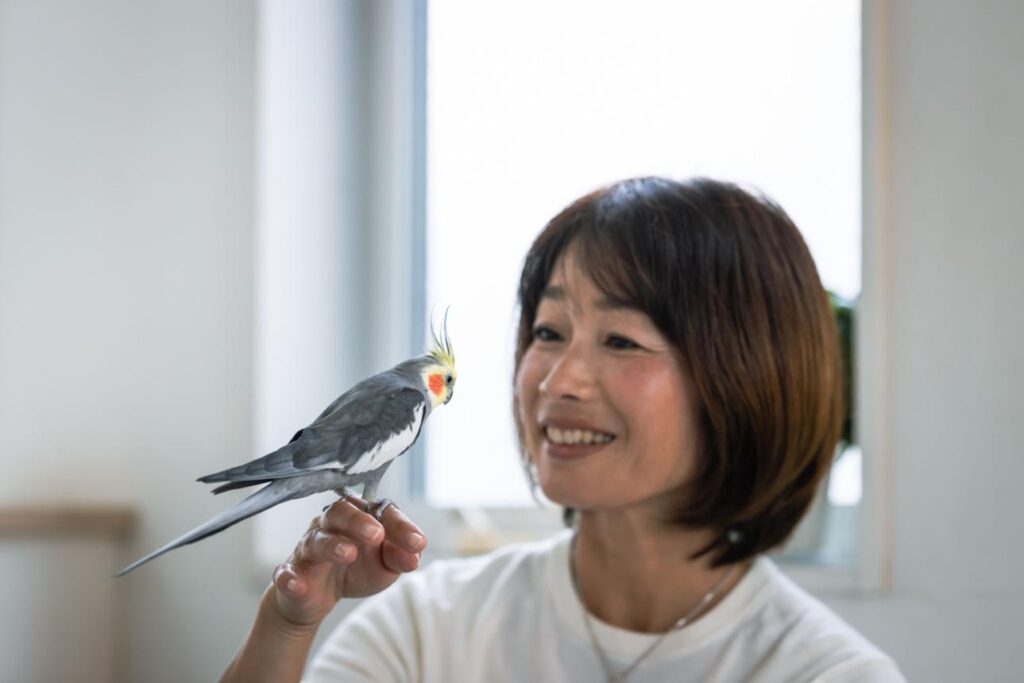
Research from the National Institute on Ageing shows that calm environments, gentle routines, and interaction with animals can help reduce stress and support overall well-being as we age.
Birds bring something different compared to traditional pets. They don’t demand constant attention, yet they still create a presence.
- Gentle sound instead of silence – Soft chirping replaces empty quiet
- Minimal physical effort – No walking or heavy handling required
- Routine without pressure – Simple feeding and cleaning habits
- Visual calm – Watching birds naturally reduces stress
- Small space friendly – Perfect for apartments or downsized homes
Research from the National Institute on Ageing highlights how calm environments, gentle routines, and emotional connection all play a role in supporting well-being as we age—something birds naturally provide without effort.
What People Often Overlook About Bird Companionship
Many assume birds are either too noisy or too delicate. In reality, choosing the right type changes everything.
Some birds are highly interactive. Others are purely for observation and sound. The key is not picking the “best” bird—but the one that fits your pace.
In fact, this idea is similar to choosing other companions. If you’ve already explored pets for people over 50, you’ll notice that the same principle applies: the right match makes life easier, not harder.
1. Budgerigars (Budgies)
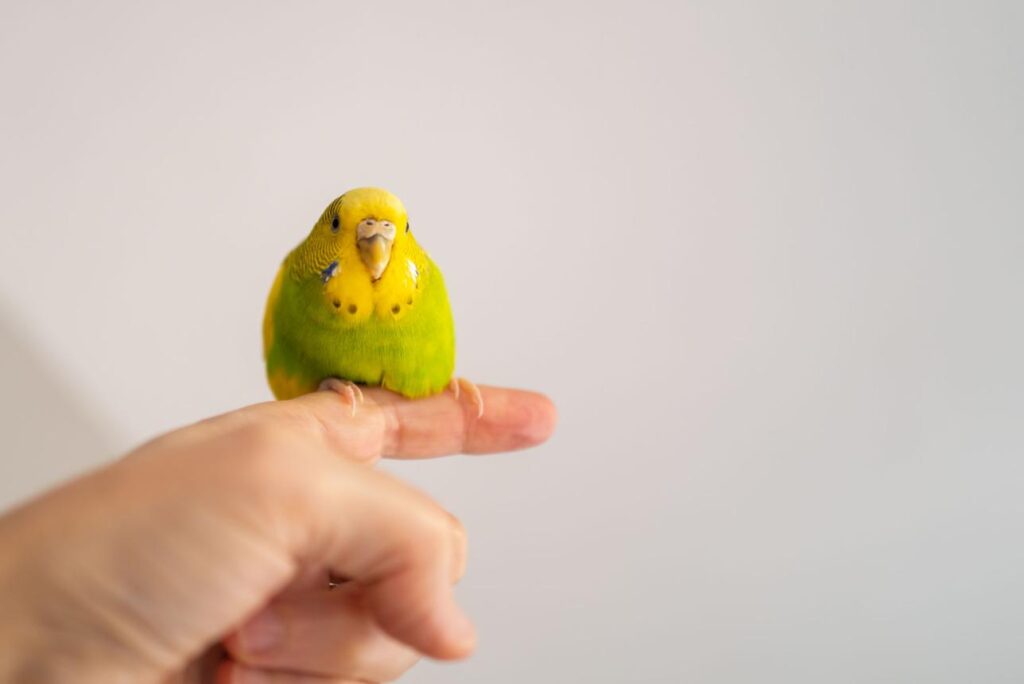
Budgies are one of the easiest birds to start with, especially if you’ve never owned one before.
Why They Work Well
They’re small, friendly, and surprisingly interactive. Some even learn simple words or sounds, which adds a layer of connection that many people enjoy.
How to Care for Them
- Daily feeding (seed or pellet mix)
- Fresh water
- Light cage cleaning a few times a week
- Occasional interaction
Where to Get One
- Pet stores
- Local breeders
- Bird rescue groups
2. Cockatiels
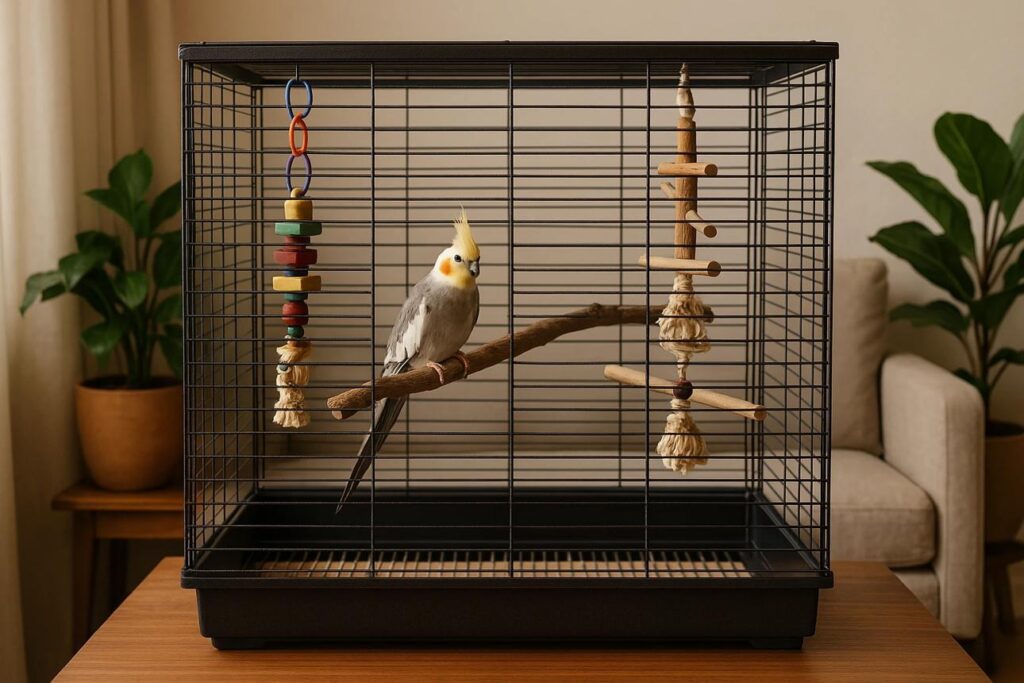
Cockatiels bring a slightly deeper level of companionship without becoming overwhelming.
Why They Work Well
They’re known for their gentle personalities and soft whistling. They bond with owners but don’t demand constant attention.
How to Care for Them
- Balanced diet (seeds + pellets)
- Clean the cage weekly
- Provide a perch and simple toys
- Light social interaction
Where to Get One
- Pet shops
- Reputable breeders
- Rescue organizations
Simple Tools That Make Bird Care Easier
Before moving further, it’s worth noting that a few small tools can make daily care much smoother:
These small adjustments reduce effort and make bird ownership feel effortless rather than like a chore.
3. Canaries
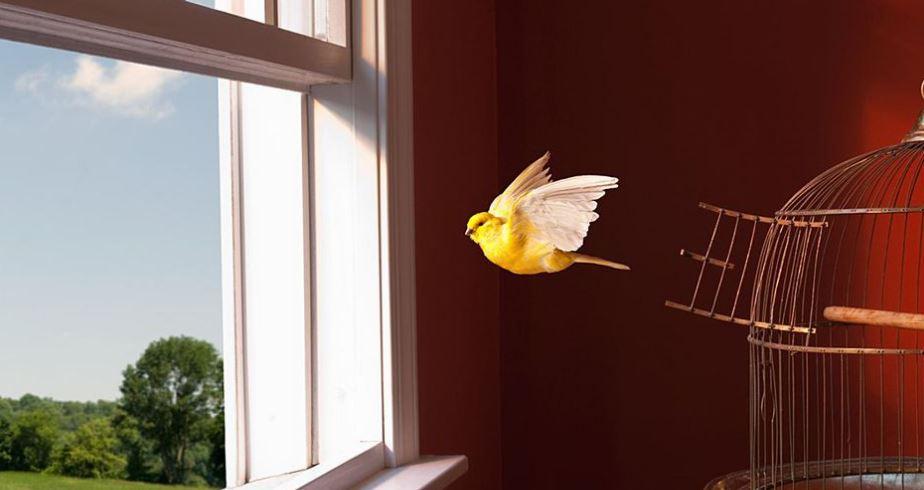
If you’re looking for calm without interaction demands, canaries are a perfect fit.
Why They Work Well
They are known for their soothing songs and don’t require handling. You simply enjoy their presence.
How to Care for Them
- Feed regularly
- Keep the cage clean
- Provide fresh water
Where to Get One
- Pet stores
- Bird specialty shops
4. Finches
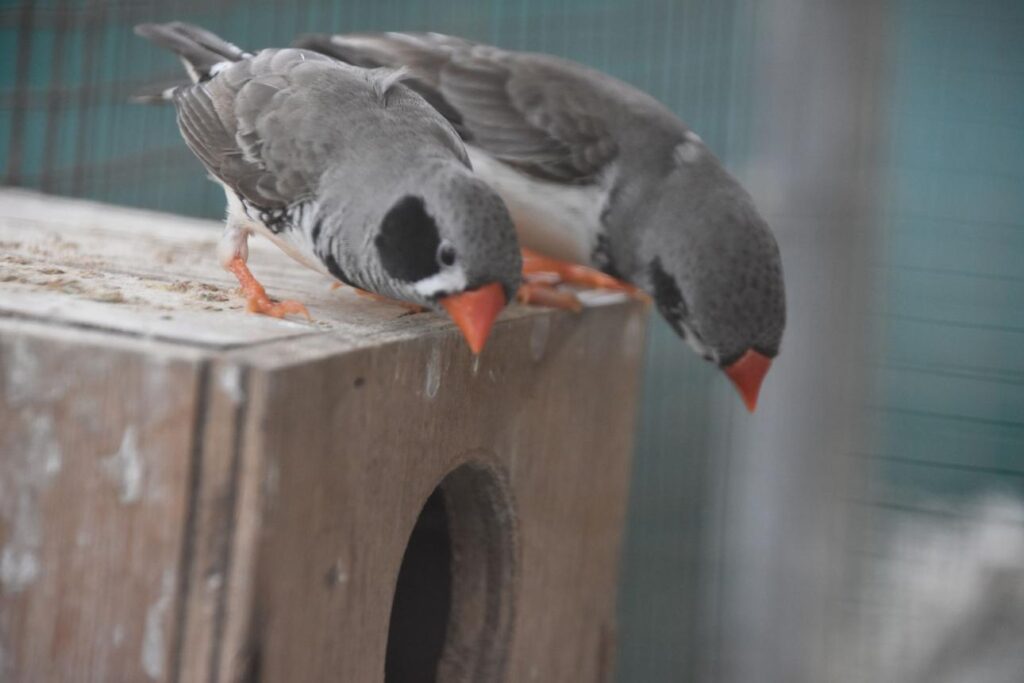
Finches are ideal if you prefer observation over interaction.
Why They Work Well
They thrive in pairs, are very low maintenance, and bring constant, gentle movement.
How to Care for Them
- Keep at least two
- Provide seeds and water
- Clean the cage regularly
Where to Get Them
- Pet stores
- Aviary breeders
5. Lovebirds
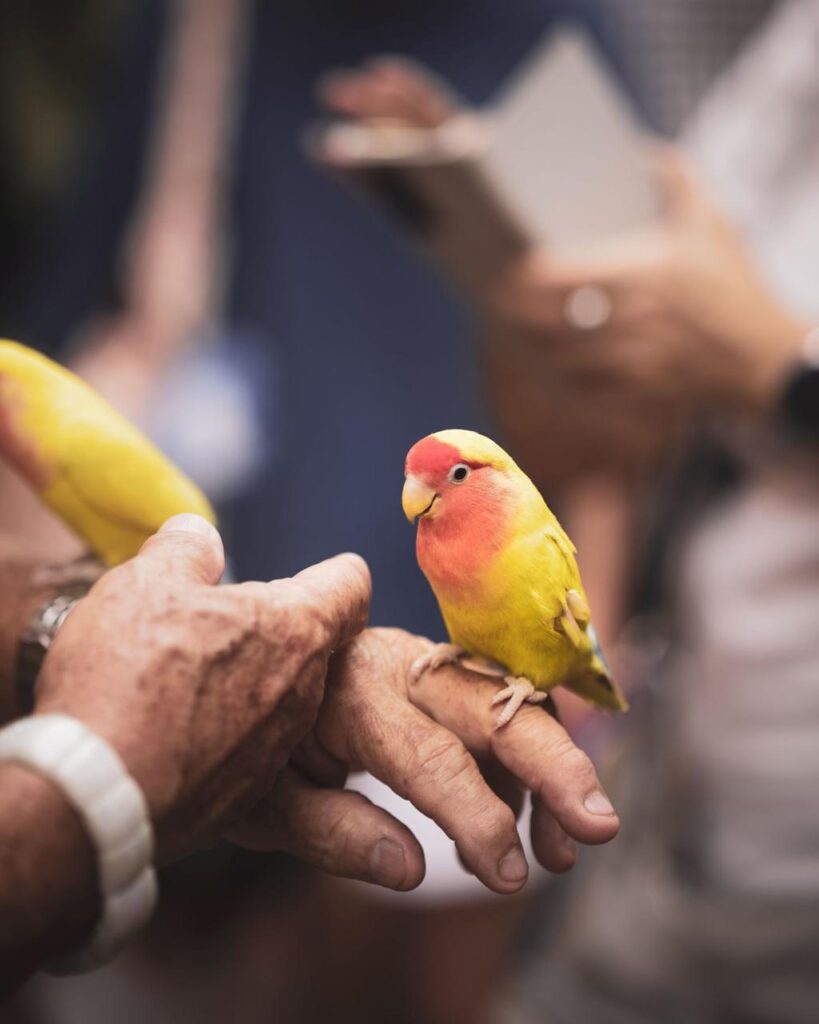
Lovebirds offer a stronger emotional connection while still being manageable.
Why They Work Well
They’re affectionate and bond closely, especially when kept in pairs.
How to Care for Them
- Daily feeding
- Clean the cage frequently
- Provide toys and perches
Where to Get Them
- Pet stores
- Breeders
- Rescue groups
Comparison: Choosing the Right Bird
| Bird Type | Effort Level | Noise Level | Interaction | Best For |
|---|---|---|---|---|
| Budgies | Low | Medium | High | Beginners |
| Cockatiels | Low-Medium | Medium | Medium | Gentle bonding |
| Canaries | Very Low | Low | Low | Quiet homes |
| Finches | Very Low | Low | Very Low | Observation |
| Lovebirds | Low-Medium | Medium | High | Active companionship |
Comfort Upgrades That Make a Difference
To make the experience even easier:
- Cage covers for better sleep cycles
- Quiet room placement to reduce stress
- Simple perches and toys for enrichment
These small changes can significantly improve both your comfort and the bird’s well-being.
Final Thoughts
Choosing a bird after 50 isn’t about adding responsibility—it’s about adding presence in a way that feels natural and manageable.
A soft sound in the background. A small movement that catches your eye. A routine that doesn’t demand much but gives something back every day.
That’s what makes birds different. They don’t interrupt your life—they quietly improve it.
“Peace doesn’t always come from big changes.
Sometimes, it comes from the smallest sounds filling the quiet moments of your day—reminding you that you’re not alone.”
— Sam Ammouri
Quick Note
This article is for informational purposes only and reflects personal experience and general lifestyle insights. It is not medical advice. Some links may be affiliate-based, meaning we may earn a small commission at no extra cost to you.