
At some point, you start noticing it. Cleaning the cage takes a little longer. Bending down isn’t as easy as it used to be. Even small tasks—like changing liners or reaching awkward corners—feel more tiring than they should.
It’s not that bird care suddenly became difficult. It’s that your setup never adapted as your routine changed.
And that’s where most of the frustration comes from.
The truth is, a well-designed bird cage setup can cut your daily effort in half—while making life safer and more comfortable for your bird at the same time. You don’t need anything complicated. You just need a smarter layout.
Why Your Bird Cage Setup Matters More After 50
It’s easy to think bird care is all about food and cleaning. But in reality, your setup controls everything:
- How often do you clean
- How much effort does it take
- How safe does your bird feel
- How easily does your bird move
When the setup works against you, even simple routines become tiring. When it works with you, everything becomes easier.
And that’s the goal here: less effort, better results.
What Makes a Cage “Low Effort” (And What Doesn’t)
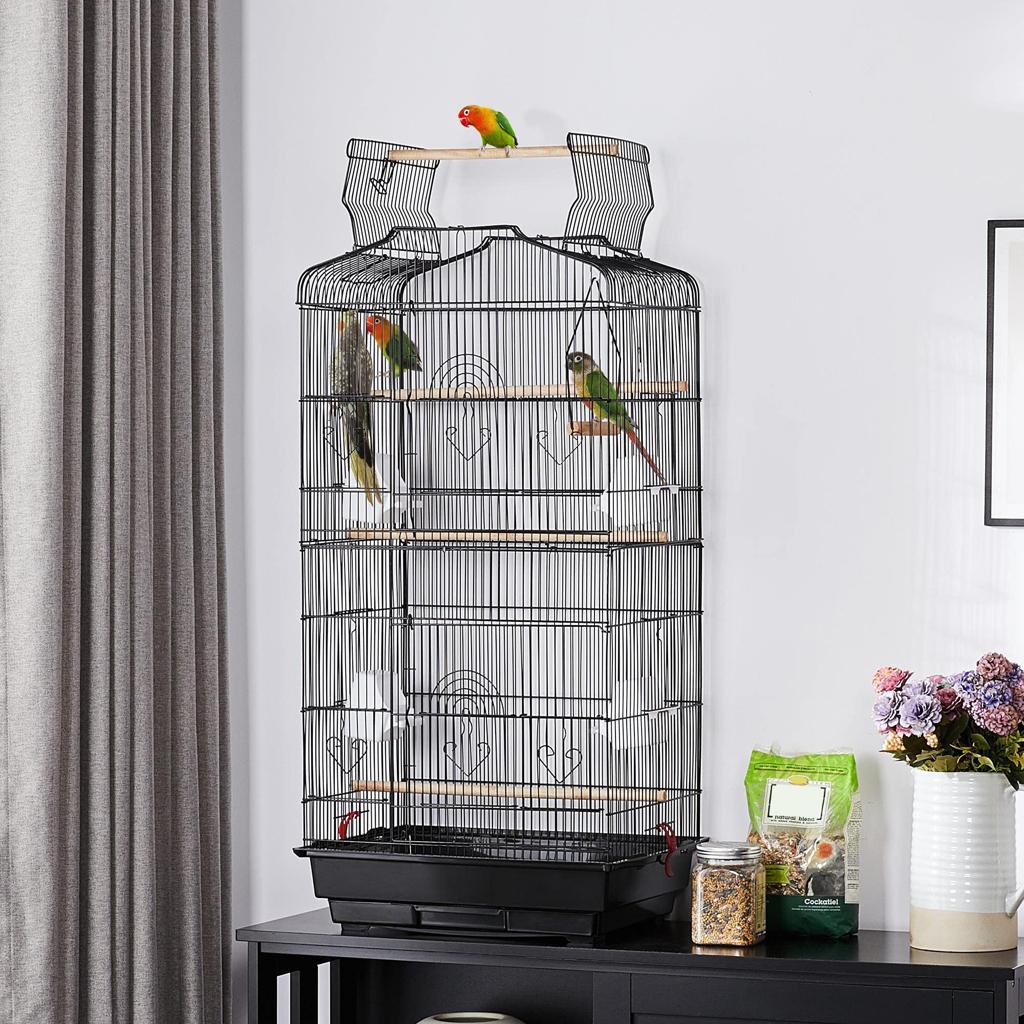
A lot of cages look good—but they’re not practical long-term.
What’s really happening:
Many setups are designed without thinking about daily use. That leads to more bending, more scrubbing, and more frustration.
What people overlook:
- Cages that sit too low
- Doors that are awkward to reach
- Trays that are hard to remove
Simple fix:
- Choose a waist-height cage or stand
- Look for flat-top designs for easier access
- Use cages with slide-out trays and grates
These small details save energy every single day.
Setting Up for Easy Cleaning (The 5-Minute Routine)
Cleaning doesn’t need to be a full chore.
What’s really happening:
Mess builds up faster when perches and food areas overlap. That leads to more scrubbing instead of quick maintenance.
What people overlook:
- Food bowls placed directly above perches
- No liner system in place
- Letting the mess build instead of quick resets
Simple fix:
- Add cage liners that can be replaced in seconds
- Position perches away from food bowls
- Clean in short daily resets instead of long sessions
👉 This alone can reduce cleaning time dramatically.
Making the Cage Safer for Older Birds
Birds slow down, too—and their cage should reflect that.
What’s really happening:
As birds age, grip strength and balance can decline. A traditional setup may become harder for them to navigate.
What people overlook:
- Long gaps between perches
- Slippery or thin perch surfaces
- No safe resting spots
Simple fix:
- Add platform perches for resting
- Use ramps or soft pathways
- Place perches closer together for easy movement
If you’ve already noticed small changes in movement or balance, this is one of the most important upgrades you can make.
Smart Placement Inside Your Home
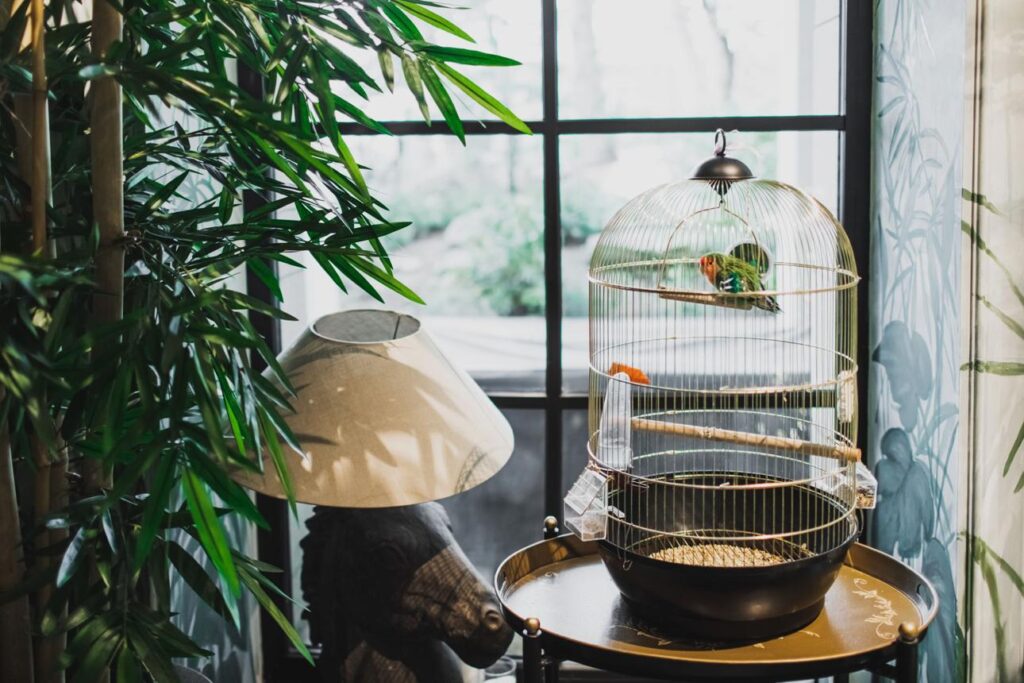
Where you place the cage matters just as much as how you set it up.
What’s really happening:
Birds are sensitive to airflow, noise, and sudden changes in the environment.
What people overlook:
- Drafts from vents or windows
- Kitchen exposure (fumes and heat)
- Isolation in rarely used rooms
Simple fix:
- Keep the cage in a calm, lived-in area
- Avoid direct airflow or temperature swings
- Give your bird light without harsh exposure
If you’ve read about common pet bird mistakes after 50, you’ll notice how many of those problems actually start with placement and setup.
Simple Tools That Make Daily Care Easier
You don’t need a lot—but a few smart additions can make everything smoother.
Helpful options that reduce effort and improve comfort:
- Easy-clean cage liners for quick daily maintenance
- Soft perch wraps for better grip and less strain
- Food bowls that attach securely to reduce spills
Quick Comparison: Complicated Setup vs Simple Setup
| Complicated Setup | What Happens | Simple Setup Fix |
|---|---|---|
| Low cage position | More bending and strain | Raise to waist height |
| Cluttered interior | More mess and stress | Keep layout minimal |
| Hard-to-clean trays | Delayed cleaning | Use slide-out systems |
| Wide perch spacing | Harder movement | Keep perches closer |
| No linear system | Longer cleaning time | Quick-replace liners |
How a Better Setup Fixes Common Mistakes
Here’s where everything connects.
Many of the issues people struggle with—mess, safety risks, even bird stress—don’t come from lack of care. They come from a setup that makes good habits harder to maintain.
That’s why improving your cage setup doesn’t just make things easier—it actually prevents problems before they start.
Guidance from the American Veterinary Medical Association emphasises that safe housing, proper hygiene, and accessible environments play a major role in maintaining long-term health for companion animals. A well-organised living space isn’t just about convenience—it directly supports daily well-being.
Final Thoughts
You don’t need a perfect setup—you need one that works with your daily life.
When things feel harder than they used to, the answer isn’t pushing through it. It’s simplifying the way you do it. A few smart changes can turn bird care back into something calm, manageable, and even enjoyable again.
The easier you make the routine, the more consistent it becomes—and that’s what truly makes the difference.
— Sam Ammouri
Note
This article is for informational purposes only and reflects practical experience and research. It is not medical advice.
Affiliate Disclaimer
Some links may be affiliate-based, which means a small commission may be earned at no extra cost to you.