
If you have ever noticed that sleep becomes more difficult after 50. You may find it harder to fall asleep, wake up more often during the night, or feel less refreshed in the morning.
If this sounds familiar to you, it’s a common experience. Sleep patterns naturally change with age—but the good news is that simple, consistent habits can significantly improve sleep quality after 50.
Why Does Sleep Change After 50?
Sleep changes are often due to natural shifts in the body.
Reduced Deep Sleep
Deep sleep decreases with age, which can make sleep feel lighter and less restorative.
Changes in Circadian Rhythm
The body’s internal clock often shifts earlier, leading to earlier sleep and wake times.
Increased Nighttime Wake-Ups
These may be caused by:
• Bladder sensitivity
• Lighter sleep cycles
• Stress
• Temperature changes
• Medication effects
What Experts Say About Sleep After 50
National Institute on Aging explains that aging often brings changes in circadian rhythms and sleep patterns, making sleep lighter and more easily interrupted
1. Create a Consistent Sleep Schedule
Consistency is one of the most powerful tools for better sleep.
Going to bed and waking at the same time each day helps regulate your internal clock.
Practical Tips
• Choose a bedtime allowing 7–8 hours of sleep
• Wake up at the same time daily
• Avoid large weekend sleep-ins
• Go to bed when naturally sleepy
Morning Light Matters
• Spend 10–15 minutes in natural light
• Open curtains immediately
• Step outside when possible
Morning light helps signal your brain that the day has begun.
2. Improve Your Sleep Environment
Your environment plays a major role in sleep quality.
Temperature
Keep your room slightly cool (around 60–67°F).
Darkness
Use blackout curtains or a sleep mask to reduce light exposure.
Noise
Consider white noise or earplugs to reduce interruptions.
Comfortable Bedding
Supportive pillows and mattresses reduce muscle tension.
For some, improving sleep comfort becomes easier with the right support tools.
Some options people often find helpful include:
- Ergonomic sleep pillows designed to support neck alignment
- Comfortable sleep masks that help block light during the night
- White noise machines designed to reduce sudden sleep interruptions
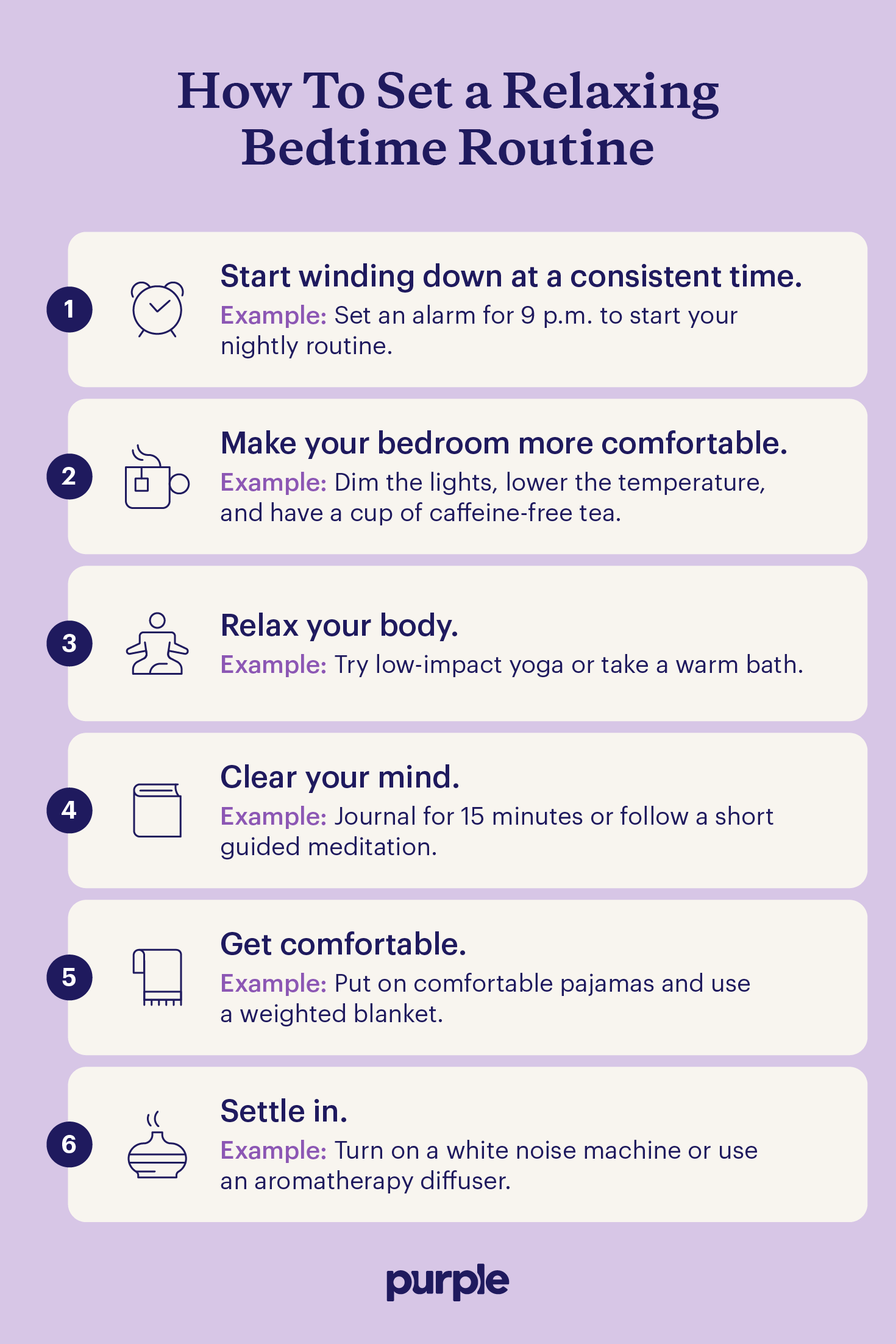
3. Build a Relaxing Evening Routine
The hour before bed helps prepare your body for sleep.
Helpful habits include:
• Dimming lights
• Avoiding screens
• Reading a book
• Taking a warm shower
• Gentle stretching
• Deep breathing
A calm routine signals the body that it’s time to rest.
4. Move Your Body During the Day
Physical activity helps regulate sleep patterns.
Benefits include:
• Deeper sleep cycles
• Reduced stress
• Improved circulation
Helpful activities include:
• Walking
• Swimming
• Cycling
• Resistance band exercises
Even light daily movement can improve sleep quality.
5. Watch Your Evening Nutrition
Diet plays a key role in sleep.
Avoid Heavy Meals Late
Finish eating 2–3 hours before bed.
Limit Caffeine
Avoid caffeine later in the day.
Alcohol and Sleep
Alcohol may disrupt deeper sleep.
Relaxing Evening Drinks
• Chamomile tea
• Lemon balm
• Valerian root
6. Reduce Stress and Calm the Mind
Stress is a major sleep disruptor.
Deep Breathing
Slow breathing helps relax the nervous system.
Meditation
Guided meditation can calm mental activity.
Journaling
Writing thoughts down helps clear the mind.
7. Stay Hydrated — But Time It Well
Proper hydration supports overall sleep quality.
• Drink water during the day
• Reduce fluids before bedtime
This helps prevent nighttime awakenings.
Common Sleep Mistakes After 50
Avoiding these can improve sleep:
Using Screens Before Bed
Blue light disrupts melatonin production.
Irregular Sleep Schedules
Inconsistent timing confuses your body clock.
Too Much Evening Caffeine
Can delay sleep onset.
Stressful Bedtime Activities
Keep the mind alert instead of relaxed.
Frequently Asked Questions
Why do I wake up more often at night after 50?
Sleep becomes lighter with age, making it easier to wake.
Can exercise improve sleep?
Yes, it supports deeper and more consistent sleep.
Is it normal to wake earlier?
Yes, circadian rhythms often shift earlier.
What improves sleep naturally?
Consistent habits, movement, and a calm environment.
You May Also Find Helpful
-
- Why Do I Wake Up at 3 AM After 50?
- Why Do My Legs Cramp at Night After 50?
- Why Do My Hands Go Numb at Night After 50?
Final Thoughts
Sleep after 50 may feel different, but it can still be deep, restorative, and consistent with the right approach.
By improving routines, supporting your environment, staying active, and reducing stress, many people experience noticeable improvements in sleep quality.
Small daily habits can create powerful long-term benefits.
There is no problem that has no solution and no illness that has no medicine.
— Sam Ammouri
Medical Disclaimer
This article is for informational purposes only and does not replace professional medical advice. Always consult a qualified healthcare provider regarding any persistent or concerning symptoms.
Affiliate Disclaimer
This article may contain affiliate links. If a purchase is made, it may earn a small commission at no additional cost to you. This helps support the site.
About the Author
I am Sam Ammouri, the founder of PowerAt50Plus.com—a platform built from real-life experience, resilience, and a deep commitment to helping others feel better after 50.
After facing serious health challenges, I chose to take control through consistent habits, movement, and practical strategies. That journey became the foundation of this website.
Today, I share realistic, simple approaches to help improve comfort, mobility, and confidence—without overwhelming routines.