
Morning breath can become surprisingly stubborn after 50. Brushing helps for an hour or two, mouthwash gives a temporary fresh feeling, yet something still feels off later in the day. Many adults begin noticing a dry sensation in the mouth, an unpleasant taste after waking up, or a coated feeling on the tongue that seems harder to clear than it used to be.
For some people, the change happens gradually. A person who never worried about breath odor suddenly starts carrying mints in the car. Conversations become a little more cautious. Coffee breath lingers longer. Even routine dental visits sometimes end with the same advice: brush well, floss regularly, and stay hydrated. Yet despite doing all of that, the problem keeps returning.
This is one reason oil pulling has become popular again, especially among adults looking for gentler daily habits instead of stronger mouthwashes or harsh products. Coconut oil pulling is often discussed as a natural way to freshen the mouth, reduce morning buildup, and support oral comfort. The question is whether it actually helps — or whether it is simply another health trend circulating online.
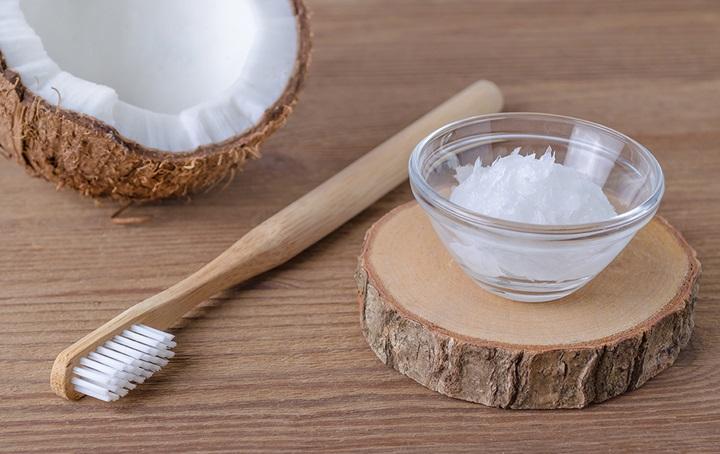
Why Oral Changes Often Feel Different After 50
A lot of oral discomfort after 50 does not come from one major problem. Instead, it builds slowly through small daily shifts that many people overlook.
Saliva production can decrease with age. Certain medications contribute to dry mouth. Sleep patterns change, which can increase mouth breathing overnight. Coffee consumption may rise during retirement routines or early waking habits. Dentures, crowns, and gum sensitivity can also create tiny spaces where bacteria settle more easily.
Because of this, the mouth may no longer feel naturally “clean” throughout the day the way it once did.
One common pattern looks like this:
- Morning breath becomes stronger
- Brushing helps temporarily
- Dryness returns by afternoon
- Breath odor feels harder to control
- The tongue develops a coated appearance
- Mouthwash starts feeling too harsh or irritating
Over time, people begin searching for alternatives that feel less aggressive.
That is usually when oil pulling enters the conversation.
What Oil Pulling Actually Is
Oil pulling is a simple routine that involves swishing oil around the mouth for several minutes before spitting it out.
Coconut oil is the most common choice because of its mild taste and smooth texture. Some people use sesame oil or sunflower oil, but coconut oil tends to be easier for beginners.
The idea behind oil pulling is not that the oil “cures” oral problems. Instead, many people use it as a gentle cleansing habit that may help loosen buildup and reduce unpleasant mouth sensations.
Most adults who try it describe benefits like:
- fresher morning breath
- less coated feeling on the tongue
- reduced dry-mouth discomfort
- cleaner feeling after waking up
- improved freshness before social situations
The experience is usually subtle rather than dramatic.
That matters because exaggerated promises often create disappointment.
What People Often Overlook About Bad Breath
Many adults focus only on brushing teeth harder. However, bad breath after 50 is often connected to overall mouth dryness and bacterial buildup rather than poor brushing alone.
For example, someone may brush thoroughly twice daily but still experience:
- dry mouth during sleep
- bacteria collecting on the tongue
- dehydration from medications
- mouth breathing during the night
- coffee or acidic drinks throughout the day
Under those conditions, strong alcohol-based mouthwashes sometimes make the situation worse by increasing dryness.
This is why some people feel temporary relief after switching to gentler habits.
Oil pulling is often less about “deep cleaning” and more about reducing that dry, stale morning feeling many adults begin noticing later in life.
Comparison Table: Oil Pulling Vs Traditional Mouthwash
| Habit | Typical Feeling | Possible Downsides | Best For |
|---|---|---|---|
| Oil Pulling | Gentle, soothing, less harsh | Takes more time | Dry mouth and morning freshness |
| Alcohol Mouthwash | Strong immediate freshness | Can increase dryness | Quick short-term freshness |
| Tongue Brushing | Removes buildup physically | Can trigger gag reflex | Visible tongue coating |
| Sugar-Free Gum | Stimulates saliva | Temporary solution | Daytime dryness |
| Warm Salt Water Rinse | Mild and calming | Short-lived effect | Gum irritation and soreness |
This kind of comparison matters because many adults are not looking for perfection. They are looking for something sustainable that feels comfortable every day.
Real-Life Behavior Patterns That Often Lead People To Try Oil Pulling
A person may first hear about oil pulling from a family member or social media video and dismiss it immediately.
Then something changes.
Morning breath becomes more noticeable during retirement travel. A spouse casually mentions bad breath after waking up. Dry mouth starts interrupting sleep. Mouthwash begins irritating sensitive gums.
At first, small adjustments happen quietly:
- drinking more water before bed
- chewing gum more often
- brushing the tongue harder
- avoiding onions or garlic before outings
Eventually, some adults try oil pulling simply because it sounds gentler than everything else they have already tested.
Interestingly, people who continue the habit long term rarely describe dramatic transformations. Instead, they talk about subtle daily comfort.
The mouth feels calmer in the morning.
Breath feels fresher longer.
Coffee after breakfast does not leave the same stale aftertaste.
These smaller changes are usually what keep the habit going.
Research surrounding oil pulling is still developing, but several dental organizations acknowledge that some people may experience mild oral hygiene benefits when it is used alongside regular brushing and flossing.
According to the American Dental Association, oil pulling should not replace normal dental care, though some individuals report improvements in breath freshness and mouth comfort. Harvard Health has also discussed how oral bacteria and tongue buildup contribute significantly to bad breath, especially when dry mouth is involved.
That balanced perspective is important.
Oil pulling is best viewed as a supportive routine rather than a miracle solution.
Practical Ways To Try Oil Pulling After 50
Starting too aggressively is one of the main reasons people quit.
A gentler approach works better.
A Simple Beginner Routine
- Use about one teaspoon of coconut oil
- Swish gently for 5 minutes at first
- Avoid vigorous swishing
- Spit into the trash instead of the sink
- Rinse with warm water afterward
- Brush normally afterward
Many people gradually increase to 10–15 minutes later if comfortable.
Consistency matters more than duration.
Common Mistakes People Make
Swishing Too Hard
Aggressive swishing can make the jaw tired and uncomfortable.
Expecting Instant Results
Oil pulling tends to create gradual improvements rather than overnight changes.
Using It Instead Of Brushing
This is one of the biggest misunderstandings online. Oil pulling should support oral hygiene, not replace it.
Quitting Too Early
Some adults stop after one or two tries because the texture feels unfamiliar. A slower adjustment period usually works better.
Recommended: Gentle Oral Care Products
Many adults over 50 find that combining oil pulling with gentler oral-care products creates a more comfortable daily routine.
Available on Amazon
There are often easier on sensitive gums and dry mouths than harsher products marketed for “deep cleaning.”
A few people also keep:
Small travel-sized oral moisturizers
Xylitol lozenges – Nearby during long drives, flights, or overnight hotel stays where dryness becomes more noticeable.
One Overlooked Habit That Makes A Difference
A surprisingly common pattern happens late at night.
People brush their teeth thoroughly, then immediately drink coffee-flavored protein shakes, snack on sweets, or sip wine while watching television before bed.
That creates hours of overnight buildup.
Because of this, many adults believe brushing “stopped working,” when the real issue is what happens after brushing.
Small evening habit shifts often improve breath more than aggressive cleaning routines.
This becomes especially important for people experiencing dry mouth after 50.
In fact, our article on Why Bad Breath Becomes More Common After 50 — And 7 Natural Ways To Fix It explains how nighttime dryness, medications, and tongue bacteria often work together to create persistent morning breath.
Recommended: Simple Comfort Upgrades For Morning Breath
Some adults eventually combine several smaller habits instead of searching for one perfect solution.
Helpful combinations often include:
- A bedside water bottle
- Humidifiers during dry seasons
- Tentler toothpaste formulas
- Tongue cleaning
- Reduced late-night snacking
- Occasional oil pulling
This layered approach usually feels more realistic long-term than chasing quick fixes.
Does Oil Pulling Work For Everyone?
Not necessarily.
Some people genuinely enjoy the calming routine and notice fresher mornings. Others feel no meaningful difference and prefer traditional oral care habits instead.
Personal comfort matters.
There is also a lifestyle factor involved. Someone rushing through busy mornings may dislike spending extra minutes swishing oil. Meanwhile, retirees with slower morning routines sometimes enjoy the ritual because it feels relaxing and intentional.
That difference often determines whether the habit lasts.
❓ FAQ
Does Oil Pulling Help Bad Breath After 50?
Many adults report fresher breath and less morning buildup, especially when dry mouth contributes to odor. Results are usually gradual rather than dramatic.
What Is The Best Oil For Oil Pulling?
Coconut oil is the most popular option because it has a mild taste and smooth texture.
How Long Should Oil Pulling Last?
Beginners often start with 5 minutes and slowly increase if comfortable.
Can Oil Pulling Replace Brushing?
No. It should support regular brushing and flossing rather than replace them.
Is Oil Pulling Safe Every Day?
For most people, gentle daily use appears fine when done moderately. However, aggressive or excessive routines are unnecessary.
Why Does Morning Breath Get Worse With Age?
Dry mouth, medications, sleep changes, tongue bacteria, and reduced saliva production can all contribute over time.
Final Thoughts
Oil pulling is probably not the miracle solution some online videos claim it to be. Still, that does not mean it is useless.
For many adults over 50, the value comes from the small daily improvements that slowly add up. A fresher feeling after waking up. Less dryness during conversations. A cleaner mouth before heading out for the day. Those smaller comfort shifts matter more than dramatic promises.
What makes oral care frustrating later in life is that problems rarely come from one source alone. Dry mouth, changing routines, medications, coffee habits, nighttime breathing, and tongue buildup all interact with each other. Because of this, gentler habits sometimes work better than harsher “deep-cleaning” approaches that leave the mouth feeling irritated afterward.
Oil pulling may help some people feel more comfortable and refreshed, particularly when paired with hydration, better nighttime habits, and consistent oral hygiene. Others may try it briefly and decide it simply is not worth the extra step.
Either outcome is perfectly reasonable.
The goal is not perfection. The goal is to feel more comfortable, confident, and fresh in everyday life after 50.
“Most people after 50 are not searching for miracle fixes anymore. They simply want small daily habits that help them feel cleaner, fresher, and more comfortable without making life complicated.”
— Sam Ammouri
Note
Some links in this article may be affiliate links, including links to Amazon and other partners. This means a small commission may be earned at no extra cost to you.