
Home security after 50 becomes more important as daily life shifts toward comfort, routine, and peace of mind. Your home is no longer just a place to live—it becomes your main environment for rest, safety, and control. Because of this, even small gaps in security can feel more noticeable over time.
Many people don’t realize how their awareness changes. For example, you may double-check locks more often or pause when hearing something outside. At the same time, answering the door or walking outside at night may feel slightly different than before.
However, this isn’t about fear. Instead, it’s about creating a home environment that removes uncertainty and supports confidence every single day.
Why Home Security After 50 Needs a Smarter Approach
Most homes rely on basic protection like locks and closed windows. While that helps, it doesn’t fully prevent unwanted attention.
In real-life situations, people tend to:
- Look for easy access
- Avoid visible monitoring
- Choose low-resistance homes
Because of this, home security should focus on visibility, structure, and deterrence rather than just basic protection.
1. Visible Cameras Improve Home Security After 50
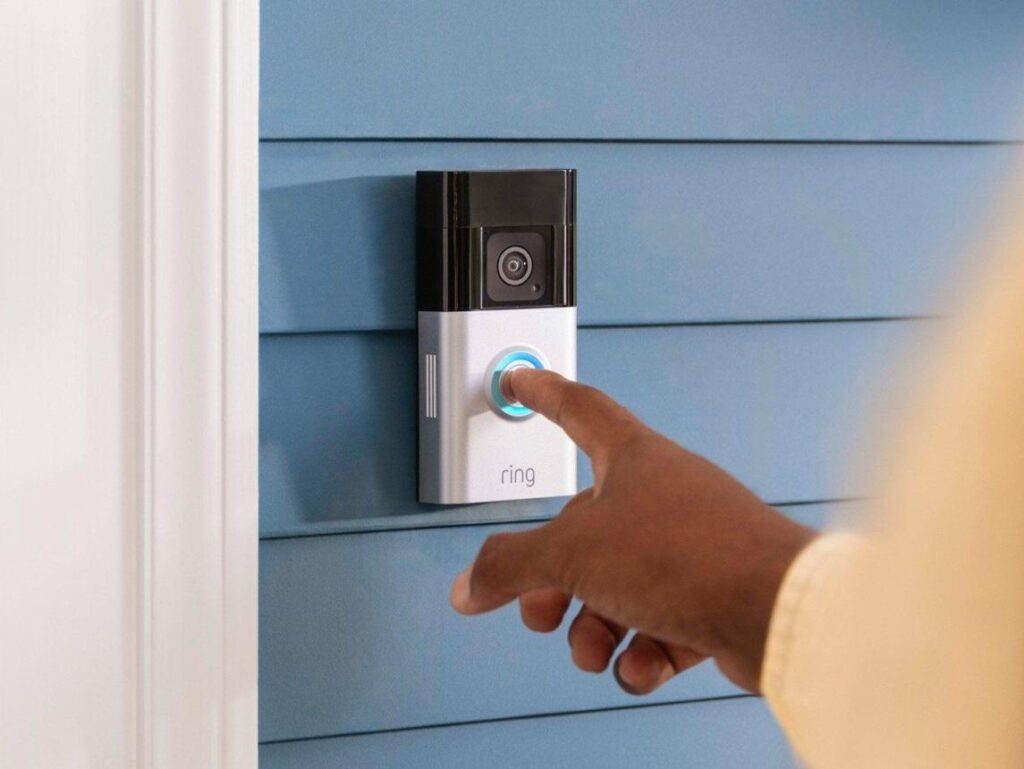
Visible cameras are one of the easiest ways to improve home security. They instantly signal that your home is monitored.
Devices like the Google Nest Cam and Ring Video Doorbell allow you to check your surroundings without getting up.
As a result, you:
- Avoid unnecessary movement
- Stay aware of your surroundings
- Feel more in control
⇒ Home security camera options
2. Reinforced Windows Strengthen Home Security After 50
By adding reinforced guards or modern window bars:
- You create a visible barrier
- You reduce easy access points
- You discourage attempts entirely
Because of this, your home appears structured and protected.
3. Motion Lighting Boosts Home Security After 50
Lighting plays a major role in home security. Darkness creates uncertainty, while light creates control.
Motion-sensor lighting activates instantly when movement is detected. Therefore:
- Intruders are exposed
- You gain visibility
- Outdoor movement feels safer
In addition, this reduces fall risks when walking outside at night.
4. Backyard Fencing Adds Protection to Home Security After 50
A strong fence:
- Defines your space clearly
- Slows down access
- Reduces hidden entry points
As a result, your home becomes much less approachable.
See your options here at Amazon
5. Front Yard Boundaries Improve Home Security After 50
A front boundary may seem small, but it plays a big role in home security after 50.
It helps:
- Reduce unwanted approach behavior
- Create a clear private zone
- Add a psychological barrier
Because of this, your home feels less exposed and more controlled.
6. Emergency Readiness Supports Home Security After 50
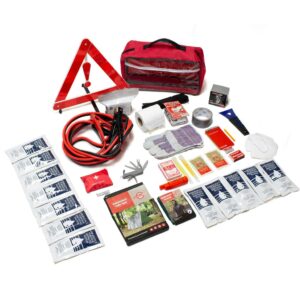
Home security after 50 also includes readiness beyond your house.
Keeping your vehicle ready ensures you can act quickly when needed.
Simple steps include:
- Keeping fuel above half a tank
- Maintaining your battery
- Storing a small emergency kit
Because of this, you remove hesitation during unexpected situations.
Comparison: Basic vs Home Security After 50 Approach
| Feature | Basic Setup | Home Security After 50 |
|---|---|---|
| Visibility | Low | High (cameras + lighting) |
| Entry Resistance | Minimal | Reinforced barriers |
| Awareness | Reactive | Real-time monitoring |
| Outdoor Safety | Limited | Fully illuminated |
| Deterrence | Weak | Strong |
| Preparedness | Low | High |
According to the American SPCC, feeling safe in your home environment helps reduce stress and improve overall well-being.
Because of this, improving home security after 50 isn’t just about protection—it directly supports your daily comfort and peace of mind.
Recommended: Smart Camera Setup
These allow you to monitor your home without effort, making daily life easier.
Recommended: Lighting and Reinforcement
Together, these remove the most common security gaps.
Internal Insight You Shouldn’t Ignore
Home security after 50 is not only about devices—it’s also about how your environment supports your movement and awareness.
For example, the way your home is arranged can reduce risks and improve comfort over time. Small adjustments can make everyday actions feel safer and more natural.
If you want to improve this further, take a look here:
👉 Best Kitchen Layout Adjustments After 50 to Reduce Strain and Accidents
This connects directly with how your home supports both safety and ease of movement.
❓ FAQ
What is the best way to improve home security after 50?
Start with visibility using cameras or lighting, then add physical barriers.
How many times should I use the keyphrase?
Naturally throughout the article—avoid forcing it, but ensure presence.
Are cameras enough?
No. They work best when combined with lighting and barriers.
Does lighting really help?
Yes. It removes darkness, which reduces uncertainty and risk.
Why does this matter more after 50?
Because comfort, control, and peace of mind become more important in daily life.
Final Thoughts
Home security after 50 isn’t about adding complexity. Instead, it’s about creating a space that feels predictable, visible, and controlled.
When your home supports awareness and reduces uncertainty, everything changes. You stop questioning small noises. You feel more comfortable moving around. And most importantly, you gain confidence in your environment.
Because of this, security becomes less about protection—and more about peace of mind.
Real security isn’t about reacting to danger—it’s about building a space where danger doesn’t feel welcome in the first place.
— Sam Ammouri
Affiliate Disclaimer
Some links in this article may be affiliate links, including links to Amazon and other partners. This means a small commission may be earned at no extra cost to you.