
How does gardening after 50 improve health, save money, and more?
It usually begins without much planning. A small patch of soil sits unused, or a few empty pots remain untouched near the patio. The idea comes casually—maybe grow a few herbs, maybe try tomatoes. Nothing serious, just something to pass the time.
A few days later, that small decision starts to shift something. Stepping outside becomes part of the morning. Movements feel lighter, more natural. Meals begin to taste fresher, and there’s a quiet satisfaction in seeing progress unfold day by day.
Over time, gardening after 50 becomes more than a hobby. It turns into a steady rhythm—one that supports your body, reduces daily strain, and slowly reshapes how your day feels.
🌱 The Real Problem Most People Don’t Notice
Most people don’t lack movement—they experience the wrong type of movement.
Daily routines often include:
- Standing For Extended Periods
- Reaching, Bending, And Lifting Repeatedly
- Using Your Hands Constantly For Small Tasks
At first, it feels manageable. However, as weeks pass, these patterns begin to add up. Fatigue builds gradually. Movements become heavier. Small tasks start requiring more effort than before.
Because of this, many people assume slowing down is inevitable. In reality, it’s not about doing less—it’s about doing things differently.
🌿 What’s Really Happening (And Why Gardening Feels Different)
Gardening introduces something most routines lack—purpose-driven movement.
Instead of repetitive strain:
- Movements vary naturally
- Breaks happen without effort
- Every action leads to visible progress
At the same time, there’s a mental shift. Watching something grow creates a sense of momentum. Days feel connected rather than repetitive.
After a few weeks, the difference becomes noticeable. Tasks that once felt tiring start to feel easier. The body adapts—not through pressure, but through consistency.
🌿 What People Often Overlook
Many believe gardening requires large spaces and heavy effort. That assumption stops them before they even begin.
Instead, the most effective setups are:
- Smaller
- Simpler
- Designed for comfort
A raised bed at waist height, or a few strategically placed containers, can produce consistent results. Because of this, gardening becomes sustainable rather than overwhelming.
🌿 The Back-Saving Guide to Homegrown Staples
🍅 The Deep-Plant Tomato Method
Tomatoes are one of the most rewarding crops, yet many struggle with them simply because of how they are planted.
Tomato plants can grow roots along their stems. When planted deep, they develop a stronger foundation, making them more resilient and productive.
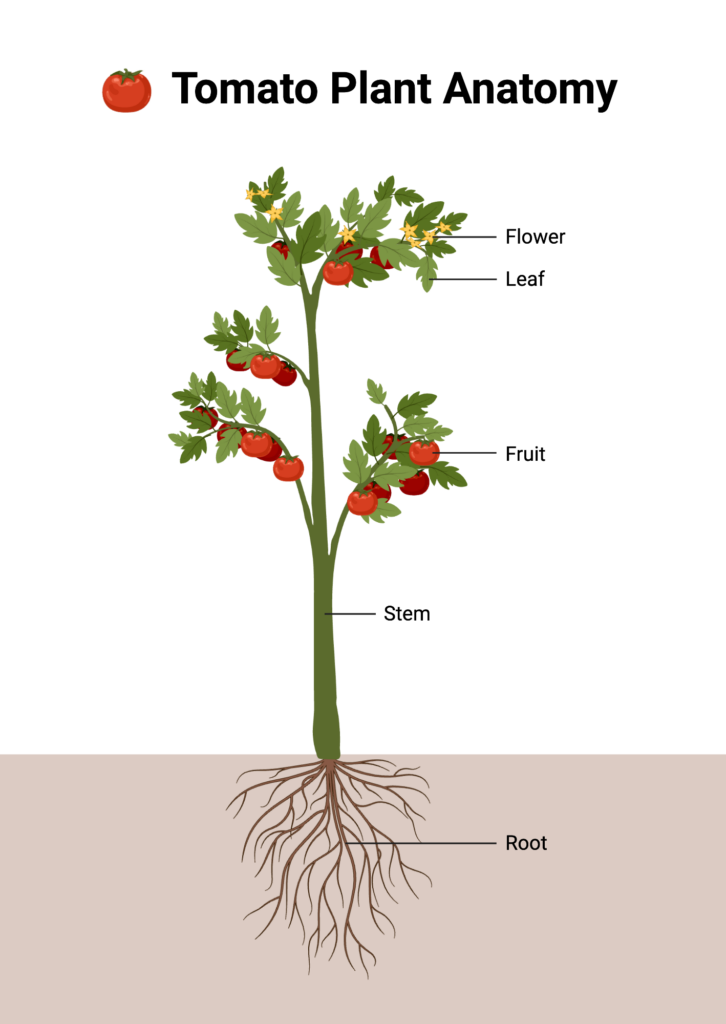
Step-by-Step
- Start with a healthy nursery plant
- Remove the lower leaves
- Dig deep enough to bury most of the stem
- Add compost or bone meal
- Install a support cage early
Real-life progression:
At first, growth may seem slow. However, within weeks, the plant stabilizes. Soon after, it begins producing more consistently with less maintenance.

🥔 The No-Dig Potato Bag Method
Traditional potato growing often discourages beginners due to the effort involved. This method removes that barrier completely.
Step-by-Step
- Add a base layer of soil
- Place seed potatoes with sprouts facing up
- Cover lightly
- Add soil gradually as growth continues
When harvest time arrives, simply tip the bag over.
Before vs After:
Before → Avoided due to effort
After → Easy harvest with minimal strain
🌿 The Kitchen Garden (Scallions & Herbs)
This is where simplicity becomes powerful.
Scallions regrow from their roots. Herbs require little maintenance yet deliver constant value.
Simple Setup
- Use small containers
- Keep mint separate
- Replant scallion roots
Over time, this becomes part of daily life. Instead of buying repeatedly, fresh ingredients are always within reach.
🌿 Mint (Low Effort, High Return)
Mint is incredibly resilient. In fact, it grows so aggressively that it’s often called a “garden bully.”
Best approach
- Always keep mint in its own pot
- Place it in partial sun
- Water regularly, but don’t overdo it
Behavior shift over time
Initially, you might forget about it. However, within weeks, it begins spreading fast. Soon, you’ll find yourself trimming it regularly—and using it more often in drinks and meals.
Parsley grows more slowly than mint but is just as valuable.
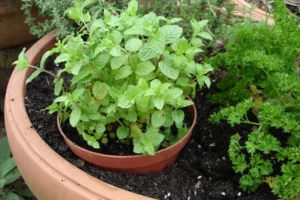
Simple setup
- Use a medium-sized container (10–12 inches)
- Place in full or partial sunlight
- Water consistently
What changes over time
Unlike fast growers, parsley builds gradually. After a few weeks, it becomes a steady source you can harvest from without replanting constantly.
🌿 Why This Setup Works So Well After 50
This combination creates a low-maintenance, high-value system:
- No heavy lifting
- No complex setup
- Continuous harvest
- Daily use in meals
At the same time, it builds a routine. A quick check in the morning, a small harvest before meals—these small actions add structure without effort.
🌿 Parsley (Steady, Reliable Growth)
Parsley grows more slowly than mint but is just as valuable.
Simple setup
- Use a medium-sized container (10–12 inches)
- Place in full or partial sunlight
- Water consistently
What changes over time
Unlike fast growers, parsley builds gradually. After a few weeks, it becomes a steady source you can harvest from without replanting constantly.
🌿 Why This Setup Works So Well After 50
This combination creates a low-maintenance, high-value system:
- No heavy lifting
- No complex setup
- Continuous harvest
- Daily use in meals
At the same time, it builds a routine. A quick check in the morning, a small harvest before meals—these small actions add structure without effort.
🍎 Growing Fruit Trees After 50 (Apples, Oranges & Peaches Made Simple)
Fruit trees may sound like a long-term project, but they’re one of the most rewarding additions to a garden after 50. Once established, they produce year after year with relatively low effort.
At first, the idea can feel overwhelming. However, when approached the right way, fruit trees become one of the easiest ways to create a low-maintenance, high-return garden system.
🌿 Choosing The Right Tree For Your Climate
Success starts with choosing what naturally grows well in your environment.
🍎 Apples (Cool To Mild Climates)
- Prefer cooler seasons and moderate summers
- Need good sunlight and airflow
- Ideal for backyard planting or large containers
🍊 Oranges (Warm Climates)
- Thrive in heat and full sun
- Can be grown in the ground or large pots
- Require protection from frost
🍑 Peaches (Warm To Mild Climates)
- Love sunlight and well-drained soil
- Grow well in smaller yards
- Produce quickly compared to other fruit trees
👉 The key is not forcing the wrong plant into your space. Instead, work with your climate.
🌱 How To Plant Fruit Trees The Easy Way
Many people struggle because they overcomplicate the process. In reality, the basics are simple.
Step-by-Step
- Choose a sunny spot (at least 6–8 hours of sunlight)
- Dig a hole twice as wide as the root ball
- Place the tree at ground level (don’t bury too deep)
- Add compost to improve soil quality
- Water thoroughly after planting
At first, growth may seem slow. However, within a few weeks, roots begin growing, and the tree adapts to its new environment.
💧 Watering Without Overdoing It
Fruit trees don’t need constant attention—but they do need consistency.
- Water deeply 1–2 times per week
- Allow the soil to dry slightly between watering
- Avoid daily shallow watering
Because of this, roots grow deeper and stronger, making the tree more resilient over time.
✂️ Simple Pruning (Keep It Manageable)
Pruning sounds complicated, but it doesn’t have to be.
Focus on:
- Removing dead or weak branches
- Keeping the center open for airflow
- Controlling height for easier harvesting
Over time, this keeps the tree productive and easy to manage without excessive effort.
🍎 Real-Life Progression (What Actually Happens)
Month 1:
The tree looks small and doesn’t change much. It’s easy to doubt progress.
Month 2–3:
New leaves appear. Growth becomes noticeable.
Season 1 End:
The tree is stronger, but production may still be light.
Year 2+:
Harvest becomes consistent. Effort drops significantly while reward increases.
👉 This is where fruit trees shine—they become easier over time, not harder.
🌿 Container vs Ground Planting (Quick Comparison)
| Method | Best For | Effort Level | Flexibility |
|---|---|---|---|
| Ground Planting | Permanent gardens | Low long-term | Fixed location |
| Container Growing | Small spaces | Moderate | Moveable & controlled |
👉 If bending is an issue, containers can be raised for easier access.
🌿 Why Fruit Trees Are Perfect After 50
- Minimal daily effort once established
- Seasonal rewards (something to look forward to)
- Long-term savings on groceries
- Creates structure and routine
At the same time, they add something deeper—patience and progression. Unlike fast-growing plants, fruit trees teach consistency over time.
👉 This is where gardening shifts from “activity” to lifestyle
📊 Comparison: Traditional Gardening vs Senior-Friendly Gardening
| Aspect | Traditional Gardening | Senior-Friendly Gardening |
|---|---|---|
| Physical Effort | High | Low |
| Accessibility | Limited | Easy |
| Maintenance | Time-Intensive | Simple |
| Setup | Large Space Needed | Flexible Spaces |
| Long-Term Sustainability | Difficult | Highly Sustainable |
🛠️ Recommended Setup for Comfort
The right setup reduces strain before it even begins.
Recommended
- Raised Beds (Waist Height)
- Ergonomic Tools (Soft Grip, Lightweight)
- Long-Handled Gardening Equipment
These adjustments make gardening feel natural instead of tiring.
💧 Recommended Watering Solutions
Watering often becomes the most physically demanding task.
Better Options
Because of this, consistency improves while effort decreases.
Low-impact, consistent activities play a key role in maintaining overall well-being over time. According to the Cleveland Clinic, staying physically and mentally engaged through simple daily routines can support mobility, reduce stress, and improve quality of life as we age.
This reflects what many experience firsthand—gardening supports both physical comfort and mental clarity without overwhelming effort.
🌿 Building a Routine That Stays With You
At first, gardening feels like something new to manage. However, after a few weeks, it becomes part of the day.
Morning check-ins, small adjustments, occasional harvesting—these actions begin to flow naturally. Because of this, consistency builds without pressure.
Months later, the difference becomes clear. Movement feels easier. Energy feels more stable. What once felt like effort now feels like rhythm.
🔗 A Natural Next Step
As routines improve, many people begin exploring other small ways to support their movement and comfort.
That transition often naturally leads to tools that support strength and flexibility.
👉 Best Resistance Bands for Beginners Over 50
This adds another layer of support without complicating your routine.
❓ FAQ
Is gardening after 50 difficult to start?
No. Starting small with simple setups makes it easy and manageable.
How long does it take to see results?
Most people notice changes within a few weeks, both physically and mentally.
What is the easiest crop for beginners?
Scallions and herbs are the simplest, followed by tomatoes and potatoes.
Do I need a backyard?
No. Containers and small spaces work just as effectively.
Can gardening really reduce daily strain?
Yes, because it replaces repetitive strain with natural, varied movement.
💡 Final Thoughts
Gardening after 50 is not about doing more—it’s about doing things differently. Small changes in how you move, spend time, and care for your environment can lead to noticeable improvements over time.
At first, it may feel like a simple activity. However, as days turn into weeks and weeks into months, the impact becomes deeper. Movement becomes easier, routines feel lighter, and daily life starts to carry a sense of steady progress.
In the end, it’s not just about what you grow—it’s about how you feel while doing it.
“Real change rarely comes from doing more all at once.
It comes from small, consistent actions that quietly reshape your day.
What feels simple at first often becomes the foundation for lasting strength and balance.”
— Sam Ammouri
Affiliate Disclaimer
Some links in this article may be affiliate links, including links to Amazon and other partners. This means a small commission may be earned at no extra cost to you.