
It usually starts during a longer drive. At first, everything feels normal. Then a few fingers begin to tingle, feel numb, or seem as though they’ve fallen asleep while you’re still holding the steering wheel.
The sensation can be surprising, especially when it appears without warning. Sometimes it disappears after changing hand position or taking a short break. Other times, it returns every time you’re behind the wheel for an extended period.
If you’ve been wondering why your fingers go numb while driving after 50, the cause is often related to nerve pressure, hand position, or reduced movement during long periods of driving. The good news is that a few simple adjustments can often make a noticeable difference.
Why Do My Fingers Go Numb While Driving After 50?
👉 Fingers go numb while driving after 50 mainly because of nerve pressure, hand position, and reduced movement during long periods behind the wheel.
When your hands stay in one position for too long, pressure builds on nerves and blood flow slows slightly.
Because of this:
- Tingling may start
- Sensation may decrease
- Fingers may feel “asleep”
At the same time, this often connects with other nerve-related symptoms. For example, many people also experience Why Do My Hands Go Numb at Night After 50? Causes, Relief, and Simple Habits That Help, which is closely related to nerve pressure and positioning.
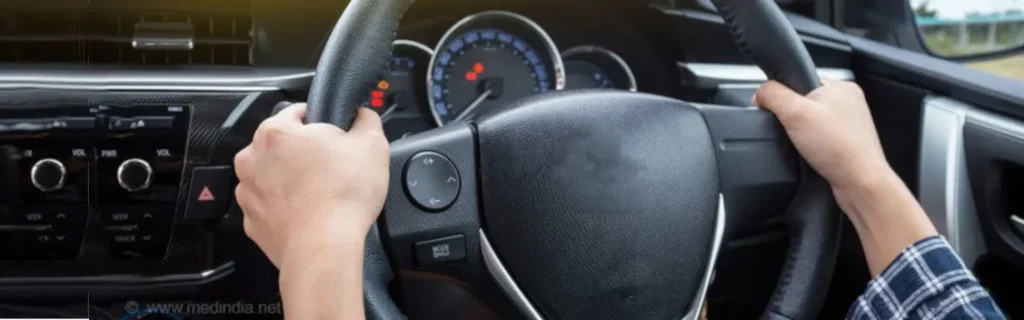
What Causes Finger Numbness While Driving?
Let’s break it down in a simple way.
1. Holding the Steering Wheel Too Tightly
A tight grip increases pressure in the hands.
Because of this:
- Nerves in the wrist get compressed
- Tingling may start
- Numbness can develop
2. Keeping Hands in One Position Too Long
When hands don’t move, circulation slows.
For example:
- Long drives without breaks
- Fixed hand position on the wheel
As a result, fingers may lose sensation temporarily.
3. Wrist Position and Nerve Pressure
Bent wrists can compress important nerves.
In particular:
- The median nerve in the wrist
- Nerve pathways that control the fingers
Because of this, symptoms may feel similar to carpal tunnel irritation.
4. Arm and Shoulder Tension
Nerves travel from the neck down to the fingers.
If your shoulders are tense:
- Nerve pathways can be compressed
- Tingling may increase
5. Reduced Circulation During Long Drives
Sitting still for long periods affects blood flow.
Because of this:
- Hands receive less circulation
- Numbness may appear
A Simple Way to Look at It
👉 Your hands are not damaged—they’re just under pressure and not moving enough.
Simple Ways to Prevent Finger Numbness While Driving
You don’t need major changes—just small adjustments.
1. Relax Your Grip
Hold the wheel lightly instead of tightly.
This reduces pressure on nerves.
2. Change Hand Positions Often
Move your hands every few minutes.
For example:
- Shift grip positions
- Shake out your hands briefly
3. Adjust Your Driving Position
Make sure:
- Your arms are slightly bent
- Your shoulders stay relaxed
This reduces nerve compression.
4. Take Short Breaks
During longer drives:
- Stop every 30–60 minutes
- Stretch your hands and arms
5. Support Comfort During Driving
For some people, simple tools can help reduce strain.
Some people find these helpful:
– Ergonomic steering wheel covers for better grip
– Compression gloves for circulation support
– Posture support braces for shoulder alignment
You may also click here to see these and more products and supplements that can relieve your condition.
What Experts Say About Finger Numbness
According to the Cleveland Clinic, nerve compression in the wrist, arm, or neck can disrupt signals and cause numbness or tingling in the fingers.
Why This Matters More Than You Think
Finger numbness may seem minor. However, it can affect:
- Driving comfort
- Grip strength
- Focus
Because of this, fixing it early improves overall comfort.
Common Mistakes to Avoid
- Gripping the wheel too tightly
- Keeping wrists bent for long periods
- Driving without breaks
- Ignoring repeated symptoms
FAQ
Is finger numbness while driving normal?
Yes, in many cases it’s caused by pressure and positioning.
Is this related to carpal tunnel?
Sometimes, especially if symptoms happen often.
Can changing posture help?
Yes, proper arm and wrist position reduces pressure.
Do hand movements help?
Yes, they improve circulation and reduce numbness.
What You May Find Helpful
Also, read these recommended articles
– Why Do My Hands Go Numb at Night After 50? Causes, Relief, and Simple Habits That Help
– Why Do My Hands Tingle When Waking Up After 50?
– Why Do My Fingers Lock in the Morning After 50?
Final Thoughts
If your fingers go numb while driving after 50, it usually doesn’t mean something is wrong.
In most cases, it’s simply how your body responds to pressure, posture, and lack of movement.
With a few small changes, driving can feel comfortable again.
“There is no problem that has no solution and no illness that has no medicine.”
— Sam Ammouri
Medical Disclaimer
This content is for informational purposes only and is not intended as medical advice. Always consult a healthcare professional if needed.
Affiliate Disclaimer
Some links may be affiliate links, which means a small commission may be earned at no extra cost to you.