
You finally get comfortable in bed, only to notice a strange tingling sensation creeping into your feet. It may feel like pins and needles, mild buzzing, prickling, or the familiar feeling that your feet have “fallen asleep.”
Sometimes moving your feet or changing position makes the sensation disappear. Other times, the tingling lingers long enough to become distracting, making it harder to relax and fall asleep.
If you’ve been wondering why your feet tingle at night after 50, several common factors may be involved. In many cases, the sensation is linked to temporary nerve irritation, circulation changes, pressure on certain nerves, or simply remaining in one position for too long while resting.
Understanding what may be causing the tingling is the first step toward finding relief and supporting healthy circulation.
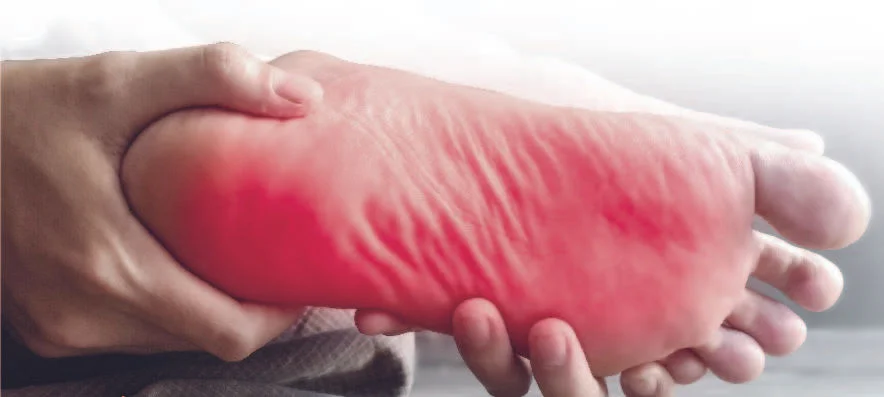
What Causes Tingling in the Feet at Night After 50?
Tingling occurs when nerve signals become disrupted or irritated.
The nerves that travel from the spine to the feet are responsible for transmitting sensations throughout the lower body. When these nerves experience pressure, irritation, or reduced blood flow, unusual sensations may occur.
Common symptoms include:
- Tingling.
- Numbness.
- Prickling sensations.
- Mild burning feelings.
- Temporary “pins and needles.”
Remaining in one position for an extended period may sometimes contribute to these sensations, especially during sleep.
Circulation Changes During Sleep May Play a Role
Circulation plays an important role in nerve health and overall comfort.
During sleep, several normal changes occur throughout the body:
- Heart rate slows.
- Muscles relax.
- Blood pressure decreases.
- Physical movement becomes less frequent.
These natural changes may slightly reduce blood flow to certain areas, including the feet, particularly if pressure is placed on nerves or blood vessels.
Simple movements such as flexing the feet, rotating the ankles, or changing sleeping positions often help restore normal sensation.
If you experience numbness as well as tingling, you may also find this related article helpful:
Why Do My Toes Go Numb at Night After 50? Causes and Simple Ways to Improve Circulation
Nerve Sensitivity Can Increase With Age
The nervous system naturally changes over time.
Because nerves travel long distances from the spine to the feet, they may become more sensitive to pressure, irritation, or circulation changes as we age.
This increased sensitivity can make tingling sensations more noticeable after 50, even when no serious underlying condition is present.
The Mayo Clinic explains that nerve compression or reduced circulation can lead to tingling, numbness, or burning sensations in the feet, especially when pressure is applied for extended periods.
Daily Habits That May Support Healthy Circulation
Maintaining good circulation may help reduce temporary nerve irritation and improve overall foot comfort.
Helpful habits include:
- Walking regularly.
- Stretching the legs and feet.
- Avoiding prolonged sitting.
- Staying hydrated.
- Changing positions frequently.
- Remaining physically active throughout the day.
These simple habits may help support healthy blood flow and reduce periods of inactivity that sometimes contribute to tingling sensations.
Simple Movements That May Reduce Nighttime Tingling
Gentle movement before bed may help improve circulation and reduce stiffness.
Foot Circles
Slowly rotate the ankles in both directions for 15 to 20 seconds.
Toe Flexing
Flex and extend the toes several times to encourage movement and circulation.
Calf Stretching
Gentle calf stretches may help support blood flow throughout the lower legs and feet.
Many people find that performing these movements before bed becomes a useful part of their nighttime routine.
1. Foot Circulation Massage Rollers May Help Improve Comfort
Some adults find that massage rollers help stimulate the bottoms of the feet and promote relaxation before bedtime.
These tools are commonly used as part of a foot-care routine and may help reduce feelings of stiffness after long periods of standing, walking, or inactivity.
⇒ See your choice of foot circulation massage rollers here
2. Compression Sleeves May Help Support Circulation
Compression sleeves are designed to provide gentle support to the feet and lower legs.
Many people use them during the day or while resting to help improve comfort and reduce feelings of heaviness in the feet.
Individuals who spend long periods sitting or standing may find them particularly useful.
⇒ See your choice of foot compression sleeves here
3. Neuropathy Relief Creams May Help Soothe Irritated Feet
Some adults prefer topical creams designed to provide cooling or soothing sensations to the feet.
These products are commonly used as part of a comfort-focused foot-care routine and may be especially appealing for people who experience occasional tingling, burning, or sensitivity.
⇒ See your choice of neuropathy relief creams here
Common Mistakes That May Make Tingling Worse
A few everyday habits may contribute to discomfort.
These include:
- Sitting for long periods without movement.
- Wearing tight shoes or socks.
- Ignoring persistent symptoms.
- Remaining inactive throughout the day.
- Neglecting hydration.
Small changes in daily habits may sometimes improve comfort significantly.
When Should You Speak With a Healthcare Professional?
Occasional tingling is often temporary and harmless.
However, it may be worth seeking medical advice if you experience:
- Frequent tingling episodes.
- Numbness that spreads beyond the feet.
- Weakness in the legs or feet.
- Symptoms that worsen over time.
- Symptoms that interfere with normal daily activities.
Persistent symptoms deserve proper medical evaluation to rule out underlying conditions.
Frequently Asked Questions About Tingling Feet After 50
Is tingling in the feet normal after 50?
Many adults notice tingling more often as circulation and nerve sensitivity change with age. Occasional tingling is common, but persistent symptoms should be evaluated.
Does movement help relieve tingling?
In many cases, yes. Gentle movement may help improve circulation and reduce pressure on irritated nerves.
Can exercise improve circulation in the feet?
Regular physical activity, including walking and stretching, may help support healthy blood flow throughout the body.
Can dehydration contribute to tingling sensations?
Hydration plays an important role in normal body function, including circulation and nerve health. In some situations, dehydration may contribute to discomfort.
Final Thoughts
Tingling in the feet at night can be uncomfortable, but in many cases it is linked to temporary circulation changes, nerve sensitivity, or prolonged inactivity.
Simple habits such as staying active, stretching regularly, supporting healthy circulation, and paying attention to foot comfort may help reduce symptoms for many people.
If tingling becomes frequent, persistent, or is accompanied by numbness, weakness, or other concerning symptoms, a healthcare professional can help determine whether additional evaluation is needed.
Affiliate Disclosure: Some links in this article may be affiliate links. As an Amazon Associate, PowerAt50Plus earns from qualifying purchases at no extra cost to you.
Sam Ammouri