
I’ve had nights where I wake up, and one arm feels completely numb—heavy, lifeless, and needing a few moments to “wake up” again. It’s an odd sensation, and the first time it happens, it can be a little unsettling.
In most cases, this happens because pressure builds on nerves or blood vessels while you sleep. When an arm remains in the same position for too long, normal nerve signals can be temporarily disrupted, leading to numbness, tingling, or that familiar “pins and needles” feeling.
The good news is that arms falling asleep at night after 50 is usually linked to sleep position and pressure points rather than a serious medical problem. A few simple adjustments can often make a noticeable difference.
Understanding why it happens is the first step toward more comfortable nights and fewer unexpected wake-up calls.
Can Arm Numbness at Night After 50 Be Something Serious?
In most cases, it isn’t serious. However, it depends on how your symptoms behave.
If the numbness:
– Goes away quickly after you move
– Happens occasionally
– Doesn’t affect strength
Then it’s usually harmless.
On the other hand, if it:
– Happens frequently
– Lasts longer than expected
– Comes with weakness or pain
Then it’s worth getting it checked.
If you also notice tingling in your hands in the morning, you may want to read Why Do My Hands Tingle When I Wake Up After 50? Causes and Simple Ways to Improve Circulation, since the two are often closely related.
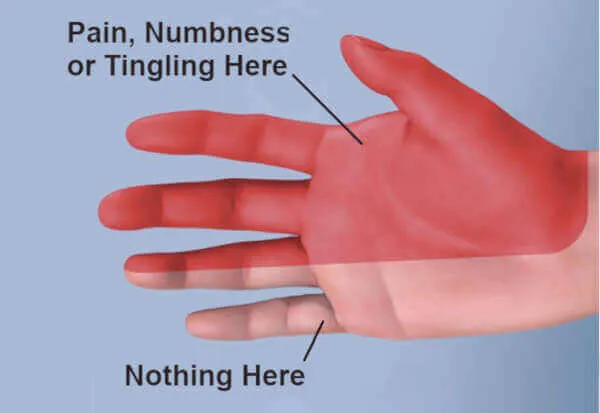
Common Causes of Arms Falling Asleep at Night After 50
Several factors can contribute to this.
Nerve Compression During Sleep
Nerves carry signals between your brain and muscles.
When pressure builds on a nerve—especially in the shoulder, arm, or neck—those signals are temporarily interrupted. As a result, the arm may feel numb or tingly.
Sleep Position and Pressure Points
Your sleep posture plays a major role.
For example:
– Sleeping on your arm
– Placing your arm under a pillow
– Resting your head on your arm
These positions can create pressure that builds over time.
Neck and Shoulder Alignment
Nerves that control the arms begin in the neck.
If your neck or shoulder is not properly aligned, it can increase pressure on those nerves and lead to numbness.
Circulation Changes During Sleep
During sleep, your body slows down.
Because of that, circulation may decrease slightly—especially if your arm is compressed. When blood flow returns, you feel the “falling asleep” sensation.
What Most People Don’t Realize About Nighttime Arm Numbness
Here’s something important:
It’s not just about circulation—it’s about pressure.
The longer your body stays in one position, the more pressure builds on nerves.
Once you reduce that pressure, symptoms often improve quickly.
Simple Ways to Prevent Arm Numbness at Night
Small adjustments can make a noticeable difference.
Adjust Your Sleeping Position
Try to avoid placing your arm under your body or pillow.
Keeping your arms in a neutral position reduces pressure.
Support Your Neck Properly
A well-supported neck helps reduce nerve compression.
This improves signal flow between your neck and arms.
A Helpful Option Some People Use
If this happens often, some people find that improving sleep support makes a big difference.
“Some people find that using simple supportive tools regularly helps reduce arm numbness during sleep.”
– Cervical pillows designed for proper neck alignment
– Arm support pillows for side sleepers
– Shoulder support braces for improved positioning
You may also click here to see more products and supplements that can help you with your condition.
Move Your Shoulders During the Day
Regular movement helps keep muscles flexible and reduces sensitivity to pressure.
Even light stretching can help.
Try Gentle Stretching Before Bed
Simple stretches for the neck and shoulders can reduce tension before sleep.
Another Helpful Option for Muscle and Nerve Support
Some people also find that relaxing muscles before bed helps reduce nighttime symptoms.
“Some people find that simple relaxation tools help reduce pressure and improve comfort at night.”
– Heating pads for shoulder and neck relaxation
– Warm compress wraps for muscle relief
– Massage tools for improving circulation
You may also click here to see more related choices.
What Experts Say About Arm Numbness at Night After 50
Cleveland Clinic
Nerve compression in the neck, shoulder, or arm can disrupt signals and lead to numbness or tingling sensations.
Common Mistakes That Make It Worse
Sleeping on the Arm
This increases pressure on nerves.
Ignoring Neck Position
Poor alignment can affect nerve pathways.
Staying in One Position Too Long
This increases pressure buildup.
Skipping Daily Movement
Lack of movement increases stiffness and sensitivity.
Frequently Asked Questions
Why does my arm go numb only while sleeping?
Because your body stays in one position for long periods, this can compress nerves.
Is it dangerous?
Most cases are harmless and related to pressure.
Does moving the arm help?
Yes. Movement restores circulation and nerve signals.
Can pillows help prevent this?
Yes. Proper support reduces pressure on nerves.
You May Also Find Helpful
Final Thoughts
If your arms fall asleep at night after 50, it’s usually your body responding to pressure and positioning during sleep.
The key is not to ignore it—but to support your body better.
With small changes, many people find that their sleep becomes more comfortable, and interruptions become less frequent.
“There is no problem that has no solution and no illness that has no medicine.”
— Sam Ammouri
Affiliate Disclosure
Some pages on PowerAt50Plus may contain affiliate links, including links from the Amazon Associates Program and other trusted partner programs.
This means that if you click on certain links and make a purchase, I may earn a small commission at no extra cost to you.
These commissions help support the website and allow me to continue creating practical content focused on healthy living, smarter saving, and everyday life after 50.
I only recommend products, services, or resources that I believe may provide real value to readers.
Thank you for supporting PowerAt50Plus.