
Are Hands-Free Shoes for Seniors worth it?
Putting on shoes is something most people take for granted until it becomes difficult. Back pain, arthritis, limited flexibility, balance concerns, and recovery from surgery can all make bending down to tie shoes frustrating and sometimes painful.
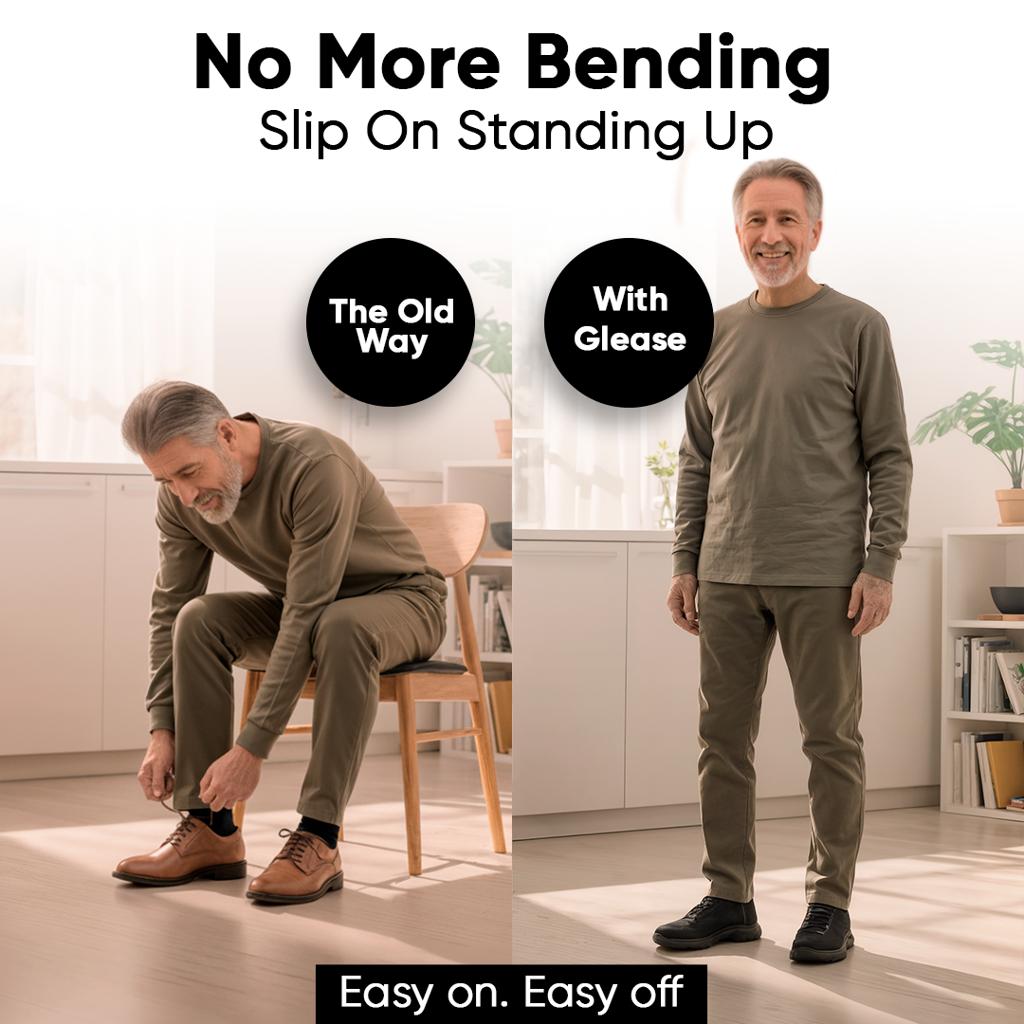
That is one reason hands-free shoes for seniors have become increasingly popular. These shoes are designed to be slipped on without using your hands, eliminating the need to bend over, tie laces, or struggle with footwear every day.
But are they worth the extra cost?
For many older adults, the answer may be yes. Hands-free shoes can provide greater convenience, independence, and comfort. However, they are not necessarily the best choice for everyone. Understanding their benefits, limitations, and key features can help you decide whether they are a smart investment for your lifestyle.
What Are Hands-Free Shoes for Seniors?
Hands-free shoes are designed to allow the wearer to step into the shoe without bending down or using their hands.
Most models use:
- Flexible heel designs
- Supportive slip-on construction
- Stretch materials
- Secure foot-hugging technology
Unlike traditional slip-on shoes that may loosen over time, many hands-free designs are engineered to provide a secure fit while remaining easy to put on and remove.
The goal is simple: make footwear easier and safer to use.
Benefits of Hands-Free Shoes for Seniors
Easier to Put On and Remove
The biggest advantage is convenience.
Many seniors find it difficult to bend, reach, or manipulate shoelaces. Hands-free shoes eliminate those steps, making daily dressing faster and less frustrating.
Less Bending and Straining
Repeated bending can place stress on the back, hips, knees, and joints.
Hands-free shoes help reduce unnecessary movement that may trigger discomfort.
Greater Independence
Needing assistance with footwear can be frustrating.
Hands-free shoes allow many older adults to maintain greater independence when dressing and preparing for daily activities.
Helpful for Arthritis and Limited Mobility
People living with arthritis often struggle with tying laces, fastening straps, or adjusting shoes.
Hands-free designs simplify the process and may reduce hand strain.
Improved Convenience for Daily Activities
Whether heading outside for a walk, checking the mail, or running errands, hands-free shoes make getting ready quicker and easier.
Who May Benefit Most From Hands-Free Shoes?
Hands-free shoes may be particularly helpful for people who have:
- Arthritis
- Back pain
- Hip pain
- Knee pain
- Limited flexibility
- Balance concerns
- Difficulty bending
- Recovery from surgery
- Mobility limitations
They may also be useful for caregivers assisting someone with daily dressing tasks.
Are Hands-Free Shoes for Seniors Worth the Investment?
This is the question most people want answered.
The table below compares the potential advantages and limitations.
| Potential Benefits | Possible Drawbacks |
|---|---|
| Easier to put on | Often cost more than traditional shoes |
| Less bending and reaching | Some styles have limited color options |
| Increased independence | Not every model fits every foot type |
| Convenient for daily use | May require trying different brands |
| Helpful during recovery | Premium models can be expensive |
For many, the value of hands-free shoes comes from convenience, comfort, and independence rather than fashion.
If putting on shoes has become difficult, the time and effort saved each day may justify the additional cost.
Features to Look For Before Buying
Not all hands-free shoes are built the same.
Slip-Resistant Soles
A good sole can help improve traction and reduce the risk of slips.
This is especially important for older adults concerned about fall prevention.
Good Arch Support
Proper support helps improve comfort during walking and daily activities.
People with foot pain should pay particular attention to cushioning and support features.
Wide Toe Box
A wider toe box allows the toes to move naturally and may reduce pressure on sensitive joints.
This can be particularly helpful for people dealing with bunions or foot discomfort.
Lightweight Design
Heavy shoes can increase fatigue.
Many seniors find lightweight footwear more comfortable for extended wear.
Secure Fit
Even though the shoes are easy to slip on, they should still fit securely and comfortably.
A shoe that feels loose may create a tripping hazard.
Helpful Products Related to Hands-Free Shoes
Hands-Free Shoes
These shoes are specifically designed to reduce bending and simplify daily footwear.
⇒ See your choice of hands-free shoes for seniors here at Amazon
Long-Handled Shoe Horns
Some people prefer traditional shoes but still need help putting them on.
⇒ See your choice of long-handled shoe horns here
Supportive Walking Shoes
Good walking shoes remain important for comfort, balance, and mobility.
⇒ See your choice of supportive walking shoes here
You may also find these related articles helpful:
- Best Walking Shoes for Older Adults With Foot Pain
- Common Foot Problems That Become More Noticeable After 50
What Do Experts Say About Mobility and Independence?
The National Institute on Aging encourages older adults to maintain mobility, physical activity, and independence whenever possible.
Simple solutions that reduce physical strain and make daily tasks easier can help support an active lifestyle and improve confidence when moving around the home and community.
Frequently Asked Questions
What are hands-free shoes for seniors?
Hands-free shoes for seniors are footwear designed to be put on and removed without bending down or using your hands.
Are hands-free shoes good for arthritis?
Many people with arthritis find hands-free shoes helpful because they reduce the need to tie laces or manipulate fasteners.
Do hands-free shoes help prevent falls?
While no shoe can prevent all falls, shoes with good traction and a secure fit may help improve stability during walking.
Are hands-free shoes worth the money?
For people who struggle with bending, mobility limitations, or daily footwear challenges, many find the added convenience worth the investment.
Can hands-free shoes replace walking shoes?
Some hands-free shoes are designed specifically for walking, while others focus primarily on convenience. The best choice depends on individual needs and activity levels.
Final Thoughts
Hands-free shoes for seniors offer a practical solution for a common challenge. They can reduce bending, simplify daily routines, and help many older adults maintain greater independence.
While they often cost more than traditional shoes, the convenience and comfort they provide may make them a worthwhile investment for people dealing with arthritis, limited flexibility, back pain, or mobility concerns.
The best hands-free shoe is one that combines ease of use, proper support, and a secure fit while helping you stay active and comfortable throughout the day.
Affiliate Disclosure:
Some links in this article may be affiliate links. As an Amazon Associate, PowerAt50Plus earns from qualifying purchases at no extra cost to you.
Sam Ammouri
Founder, PowerAt50Plus.com