
You finish a trip to the grocery store, a walk around the neighborhood, or a day on your feet, and the aching starts again. Maybe your feet feel sore by the afternoon. Maybe the first few steps in the morning are uncomfortable. Or perhaps your feet simply seem tired all the time, even when you haven’t done anything unusual.
If you’ve been wondering why your feet hurt all the time after 50, you’re not alone. Foot discomfort becomes more common with age, and it can make everyday activities feel more challenging than they used to.
The good news is that many cases of tired, aching feet are linked to normal wear and tear, changes in foot structure, and years of daily use. Understanding what’s contributing to the discomfort is the first step toward finding relief and keeping your feet as comfortable as possible.
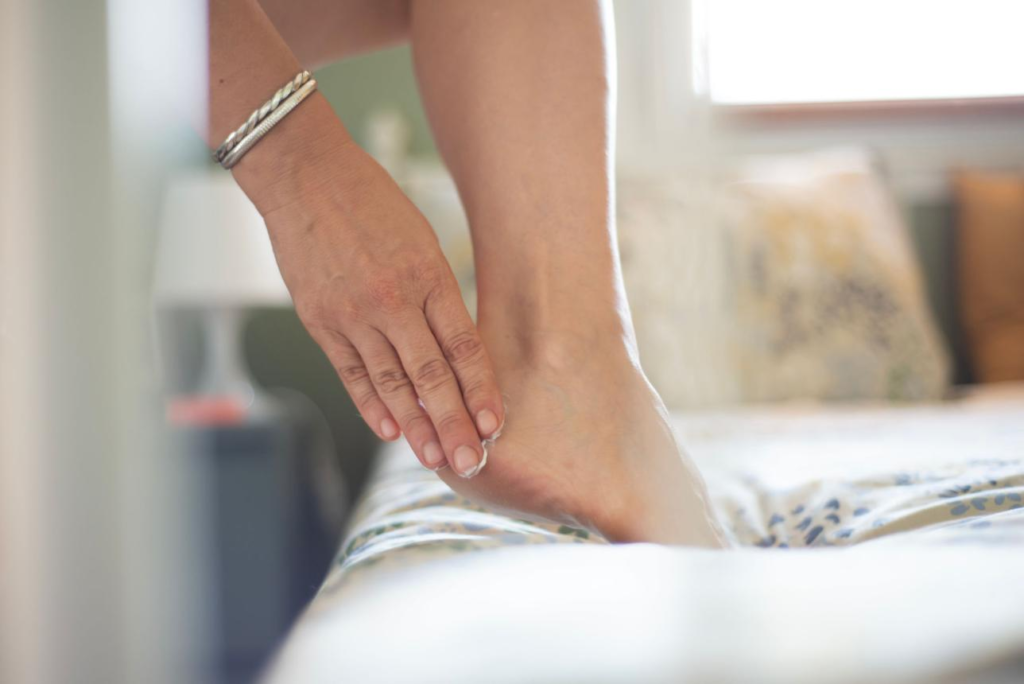
Why Do My Feet Hurt All the Time After 50? Common Reasons
The feet absorb an enormous amount of stress throughout a lifetime.
Each step places pressure on the bones, joints, muscles, tendons, and ligaments that support the body. Over the years, this daily wear can begin to add up.
Many adults also experience changes that may contribute to foot discomfort, including:
- Natural thinning of the protective cushioning on the bottoms of the feet.
- Reduced flexibility in joints and soft tissues.
- Dry skin and thickened calluses.
- Years of standing or walking on hard surfaces.
- Wearing unsupportive or worn-out footwear.
These changes do not necessarily indicate a serious medical problem, but they can make feet feel more tired and less comfortable than they did in earlier years.
When Feet Hurt All the Time After 50: Signs You Should Not Ignore
Before focusing on self-care, it is important to understand that some foot pain should not be ignored.
You should consider speaking with a healthcare professional if you experience:
- Severe or sudden foot pain.
- Significant swelling.
- Persistent numbness or tingling.
- Open wounds that do not heal properly.
- Pain that continues to worsen.
- Symptoms that interfere with normal daily activities.
This article focuses on general foot fatigue, soreness, and everyday discomfort rather than diagnosed medical conditions.
1. Warm Foot Soaks May Help Tired Feet Feel Better
One of the simplest ways to care for tired feet is with a warm foot soak.
After a long day, soaking your feet in warm water may help them feel more relaxed and refreshed. Many people find that this simple routine helps them unwind while giving their feet a break from daily stress.
Some adults enjoy adding Dead Sea salt or Epsom salt to their foot soak as part of their self-care routine. While these products are not a cure for foot problems, many people find them soothing after spending hours on their feet.
A typical soak lasts about 15 to 20 minutes. Afterward, gently dry your feet and follow up with moisturizer to help prevent dryness.
People who spend long hours standing, walking, or working on hard surfaces may particularly appreciate this habit.
⇒ See your choice of foot soaking salt here
2. Managing Rough Skin Can Improve Comfort
As we age, rough skin and thick calluses often become more noticeable.
While some callus formation is normal and even protective, excessive buildup can sometimes contribute to discomfort. Thick, hardened skin may create pressure points that make walking less comfortable.
Many people use electric foot files or similar foot-care tools to gradually reduce rough skin on the heels and other problem areas.
The goal is not to remove all calluses. Instead, regular maintenance may help keep skin smoother and more comfortable.
Those with particularly dry or rough heels may benefit most from this type of foot-care routine.
⇒ See your choice of callus remover here
3. Foot Massage and Moisturizing Creams Can Support Daily Comfort
Dry skin becomes more common with age, and many adults notice that their feet require more regular moisturizing than they once did.
Applying a quality foot cream can help soften dry skin while supporting overall foot comfort. Combining moisturizer with a gentle foot massage may provide additional relaxation after a long day.
A foot massage can be especially enjoyable for people who spend many hours walking or standing.
Taking a few minutes to massage the soles, heels, and arches of the feet may help ease feelings of fatigue and tension.
Many people choose to make this part of their evening routine before bed.
Those dealing with dry skin, rough heels, or tired feet may find this habit particularly helpful.
⇒ See your choice of A foot massage cream here
4. Supportive Shoes and Insoles May Reduce Everyday Stress on the Feet
Footwear often has a bigger impact on foot comfort than many people realize.
Shoes gradually lose cushioning and support as they age. Even if they still look fine on the outside, worn-out shoes may no longer provide the comfort they once did.
Supportive footwear can help distribute pressure more evenly across the feet. Some people also benefit from cushioned insoles that provide additional shock absorption.
When evaluating footwear, pay attention to factors such as:
- Cushioning.
- Arch support.
- Stability.
- Proper fit.
- Sole condition.
Individuals who spend much of the day standing or walking may notice significant improvements simply by replacing old shoes with more supportive options.
⇒ See your choice of Supportive footwear here
5. Stretching and Recovery Tools Can Help Keep Feet Flexible
Many adults rarely think about stretching their feet.
However, the muscles and soft tissues of the feet and lower legs can become tight over time, especially after long periods of standing or walking.
Simple stretching exercises may help maintain flexibility and reduce feelings of stiffness. Some people also use massage balls or foot rollers to gently work the bottoms of their feet.
Regular stretching may be especially useful after exercise, long walks, or physically demanding days.
Even a few minutes of gentle stretching can become an important part of a healthy foot-care routine.
⇒ See your choice of Stretching and Recovery Tools here
Additional Tips for Everyday Foot Comfort
While products and tools may help, daily habits often make the biggest difference.
Consider the following simple practices:
- Replace worn-out shoes when they lose support.
- Keep feet clean and dry.
- Moisturize regularly to help prevent excessive dryness.
- Avoid removing too much callused skin at once.
- Take breaks during long periods of standing.
- Elevate your feet occasionally after particularly active days.
- Stay physically active to support overall mobility and circulation.
Small habits performed consistently often produce better results than occasional intensive treatments.
⇒ See more foot pain healing products and tools here
If you’re experiencing other types of foot discomfort, you may also find this related article helpful:
Why Do My Feet Hurt When I First Stand Up in the Morning After 50?
Final Thoughts
If your feet hurt all the time after 50, everyday wear and tear may be playing a role. Years of walking, standing, and daily activity can leave feet feeling more tired and achy than they once did.
Fortunately, simple self-care habits such as warm foot soaks, managing rough skin, moisturizing, wearing supportive footwear, and stretching regularly may help improve comfort for many people.
Most importantly, remember that persistent or severe foot pain should never be dismissed as a normal part of aging. If symptoms continue or interfere with daily life, a healthcare professional can help determine whether an underlying condition requires attention.
For additional information about common causes of foot pain and when to seek medical care, see the official MedlinePlus foot pain resource from the U.S. National Library of Medicine.
Some pages on PowerAt50Plus may contain affiliate links, including links from the Amazon Associates Program and other trusted partner programs.
This means that if you click on certain links and make a purchase, I may earn a small commission at no extra cost to you.
Sam Ammouri