
Sleep has a way of changing gradually.
At first, it might take a little longer to fall asleep. Then come the occasional middle-of-the-night wakeups. Before long, a full night’s sleep no longer feels as refreshing as it once did.
One of the most frustrating parts is that these changes can happen even when nothing seems obviously wrong. You go to bed tired, spend enough hours in bed, yet still wake up feeling like your body never fully recharged.
Over the years, I’ve learned that better sleep after 50 is rarely about finding one magic solution. More often, it comes from improving the small things that influence sleep quality every night—your habits, your environment, and the routines that help your body settle into deeper, more restorative rest.
The good news is that many sleep problems can often be improved with simple adjustments. Understanding what changes after 50 is a good place to start.
Why Sleep Often Changes After 50
Several natural changes may affect sleep as we age.
One common change is a reduction in deep sleep. Deep sleep is the stage most closely associated with physical recovery and feeling refreshed upon waking. As deep sleep becomes less frequent, sleep may feel lighter and easier to interrupt.
Many adults also experience changes in their circadian rhythm, which is the body’s internal clock. This may cause earlier bedtimes, earlier waking times, or changes in sleep patterns throughout the night.
Other factors that may affect sleep include:
- Increased sensitivity to noise.
- Changes in bedroom temperature comfort.
- More frequent nighttime awakenings.
- Stress and daily responsibilities.
- Health conditions that affect sleep quality.
The National Institute on Aging explains that aging often brings changes in circadian rhythms and sleep patterns, making sleep lighter and more easily interrupted
Common Reasons Sleep Feels Less Restful
Many factors influence how well we sleep.
In some cases, the issue is not the amount of sleep but the quality of the sleep environment itself.
Common factors that may affect sleep quality include:
- An uncomfortable pillow or mattress.
- Excess light in the bedroom.
- Noise disruptions.
- Poor bedtime habits.
- Stress and mental overstimulation.
- Late meals or excessive caffeine.
- Lack of physical activity during the day.
Because several factors often contribute to sleep difficulties at the same time, improving sleep comfort usually involves making a series of small improvements rather than relying on a single solution.
1. Supportive Sleep Pillows May Improve Comfort
Comfort plays an important role in sleep quality.
A supportive pillow may help maintain proper neck and head alignment during sleep. For some people, improved support may reduce discomfort that contributes to nighttime waking.
Different sleeping positions often require different pillow styles. Side sleepers, back sleepers, and combination sleepers may each benefit from different levels of support.
People who frequently wake with neck stiffness or discomfort may find it worthwhile to review their current pillow setup.
⇒ See your choice of supportive sleep pillows here
2. Sleep Masks May Help Reduce Light Disruptions
Light exposure can influence sleep quality more than many people realize.
Streetlights, electronic devices, and early morning sunlight may all contribute to unwanted sleep interruptions.
Sleep masks help create a darker sleep environment and may support more consistent rest throughout the night.
Adults who wake easily due to light entering the bedroom may find sleep masks particularly helpful.
⇒ See your choice of sleep masks here
3. White Noise Machines May Reduce Sleep Interruptions
Many adults become lighter sleepers with age.
As a result, sounds that once went unnoticed may now interrupt sleep more easily.
White noise machines create consistent background sound that may help mask household noises, traffic, neighbors, or other sudden sounds.
For people who wake frequently because of environmental noise, white noise may help create a more relaxing sleep environment.
⇒ See your choice of white noise machines here
4. Relaxation and Meditation Tools May Support Better Sleep Habits
A busy mind can make it difficult to fall asleep.
Stress, worry, and mental stimulation often become significant barriers to restful sleep.
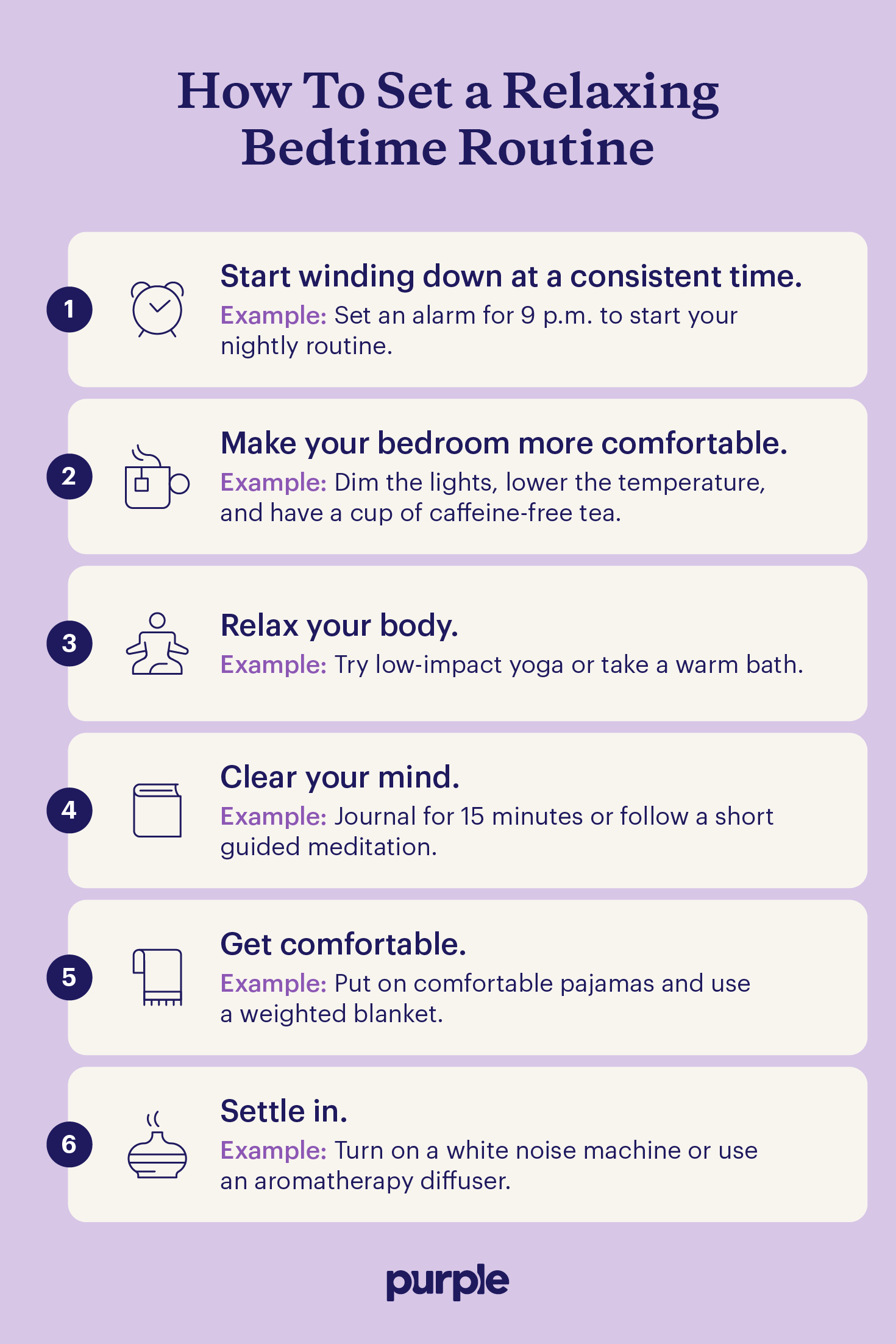
Relaxation tools may help support calming bedtime routines. Some people use guided meditation, breathing exercises, relaxation recordings, or similar resources as part of their evening routine.
Creating a consistent wind-down period before bed may help signal the body that it is time to rest.
⇒ See your choice of sleep relaxation tools here
5. Comfortable Bedding May Improve Sleep Quality
Bedroom comfort extends beyond the mattress and pillow.
Sheets, blankets, and bedding materials may influence body temperature and overall sleep comfort throughout the night.
Some people sleep better with breathable bedding that helps prevent overheating, while others may need additional warmth during colder months.
Reviewing your bedding setup can be a simple way to improve overall sleep comfort.
⇒ See your choice of comfortable bedding here
Additional Habits That May Improve Sleep After 50
Products can help, but daily habits often have the greatest long-term impact.
Consider these simple sleep-supporting habits:
- Maintain a consistent bedtime and wake-up time.
- Spend time outdoors in natural morning light.
- Stay physically active during the day.
- Limit caffeine later in the day.
- Avoid heavy meals shortly before bedtime.
- Create a calming bedtime routine.
- Keep the bedroom cool, dark, and comfortable.
- Stay hydrated during the day while reducing large fluid intake close to bedtime.
Small habits practiced consistently often provide better results than occasional dramatic changes.
If winter dryness, bedroom air quality, or seasonal sleep problems affect your sleep, you may also find this related article helpful:
Frequently Asked Questions About Sleeping Better After 50
Why does sleep become more difficult after 50?
Sleep patterns naturally change with age. Many adults experience lighter sleep, more nighttime awakenings, and changes in their internal body clock that can affect overall sleep quality.
How many hours of sleep do adults over 50 need?
Most adults still benefit from seven to nine hours of sleep per night. However, sleep quality is often just as important as the number of hours spent in bed.
Is it normal to wake up during the night?
Occasional nighttime waking is common, especially after 50. However, frequent awakenings that leave you tired during the day may be worth discussing with a healthcare professional.
Can exercise help improve sleep quality?
Yes. Regular physical activity may support deeper sleep, reduce stress, and help regulate the body’s natural sleep-wake cycle. Many people find that consistent daily movement improves sleep over time.
Does bedroom temperature affect sleep?
It can. Many sleep experts recommend keeping the bedroom cool and comfortable. Excessive heat or discomfort may increase the likelihood of waking during the night.
What is the most important habit for better sleep after 50?
Consistency is often one of the most effective habits. Going to bed and waking up at roughly the same time each day helps support healthy sleep patterns.
When should I talk to a healthcare professional about sleep problems?
Consider seeking medical advice if sleep problems become persistent, worsen over time, cause significant daytime fatigue, or interfere with normal daily activities.
Final Thoughts
Sleep after 50 may feel different, but that does not mean restful sleep is out of reach.
Many adults improve their sleep quality by focusing on consistent habits, a comfortable sleep environment, and practical adjustments that support relaxation and recovery.
Rather than looking for a single solution, it is often the combination of several small improvements that leads to better sleep over time.
Affiliate Disclosure: Some links in this article may be affiliate links. As an Amazon Associate, PowerAt50Plus earns from qualifying purchases at no extra cost to you.
Sam Ammouri