
When Technology Starts to Feel Useful Again
For a long time, “smart home” meant something complicated.
Too many apps. Too many steps. Too many things that needed constant attention. It often felt like technology was adding effort instead of removing it.
However, that’s started to change.
Today, some of the most useful devices are the simplest ones—the kind you don’t have to think about. You say a word, press one button, or just walk into a room, and things respond automatically. No learning curve, no frustration.
That’s what makes smart home devices for senior independence different. They’re not about adding technology to your life. They’re about quietly removing small, repeated efforts that build up throughout the day.
Why Simple Smart Home Devices Make a Real Difference
Most daily tasks aren’t difficult, but they are repetitive. Throughout the day, you turn lights on and off, check who’s at the door, remind yourself to do something later, and walk across the room for small adjustments.
Each action feels simple in the moment, and none of them seem like a burden on their own.
However, when these small tasks repeat, they begin to interrupt your flow. You pause what you’re doing, shift your attention, and make minor adjustments that slowly add up. It’s not about effort in a single moment—it’s about how often those moments occur throughout the day.
That’s where simple smart home devices for senior independence make a real difference. They don’t replace your routine; instead, they remove the need for constant small actions, making everything feel smoother and more automatic.
The National Institute on Aging also highlights how home-based tools and supportive environments can help maintain independence and reduce unnecessary daily effort.
What’s Really Happening in Daily Life
Think about how often you stop what you’re doing for something small:
You sit down, then realize the light is still on.
You hear the doorbell and feel the need to rush.
You try to remember something important later.
You get up just to adjust something simple.
These are not problems. They’re just interruptions.
But when they happen repeatedly, they shape your day.
Most people don’t want more technology—they want fewer interruptions.
That’s the key shift.
What People Often Overlook About Smart Home Tech
The biggest misconception is that smart home technology has to be complex.
It doesn’t.
The most effective devices usually share three things:
- They respond instantly
- They require little to no setup after installation
- They solve one clear, repeated task
Because of that, they don’t feel like “technology.”
They feel like convenience.
And once you get used to them, they quickly become part of your routine.
Practical Smart Home Devices That Actually Make Life Easier
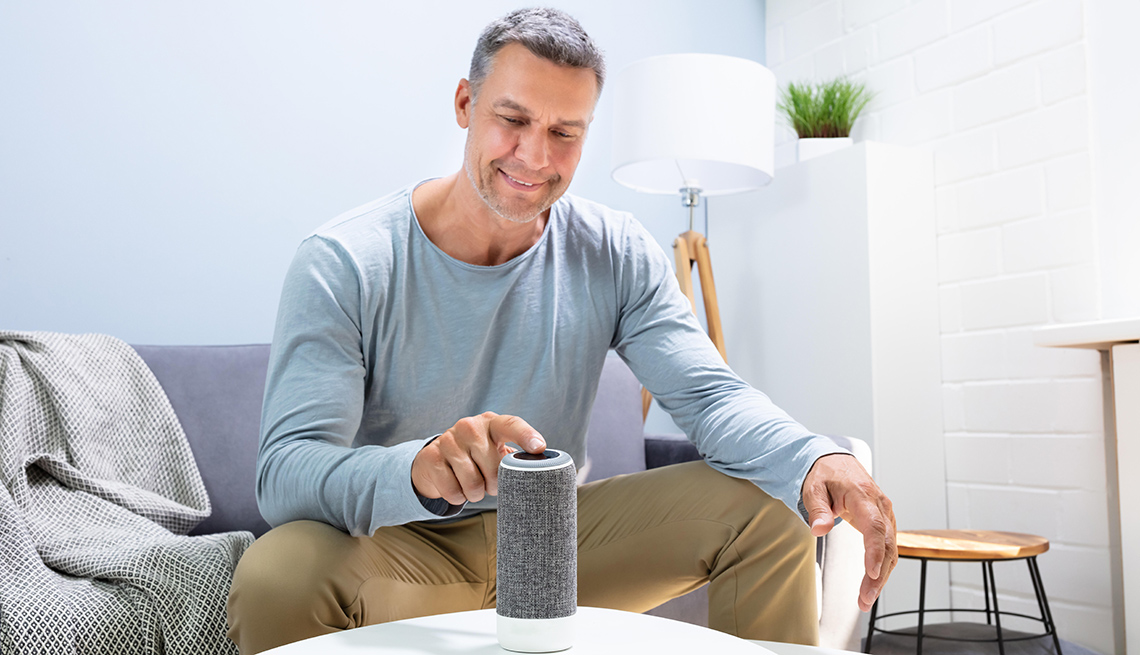
1. Voice-Activated Assistants
Instead of walking across the room or remembering everything manually, you simply say a command.
You can:
- Turn lights on or off
- Set reminders
- Check the weather
- Play music or news
The key benefit is not the features—it’s the removal of effort.
You don’t need to reach, write, or remember. You just speak.
2. Smart Doorbells
One of the most useful upgrades is being able to see who’s at your door without rushing.
Smart doorbells allow you to:
- View visitors from your phone or device
- Speak through the doorbell without opening the door
- Avoid unnecessary movement
This changes how you respond to interruptions.
3. Smart Plugs
These are small devices with a big impact.
They allow you to control everyday appliances without physically interacting with them.
For example:
- Turning off a lamp without getting up
- Scheduling devices to turn on or off
- Controlling items remotely
It’s a simple way to reduce repeated movements.
4. Motion Sensor Lighting
Instead of using switches, lights turn on automatically when you enter a space.
This works especially well for:
- Hallways
- Bathrooms
- Entryways
It removes the need to think about lighting entirely.
5. Smart Reminders and Alerts
Sometimes the biggest challenge isn’t doing something—it’s remembering it.
Voice assistants and apps can:
- Set medication reminders
- Alert you to daily tasks
- Keep routines consistent
This reduces mental load as much as physical effort.
Quick Comparison: Smart Devices That Simplify Daily Life
| Device | Setup | Daily Effort Reduced | Best Use | Ease of Use |
|---|---|---|---|---|
| Voice assistant | Easy | High | Commands & reminders | Very easy |
| Smart doorbell | Moderate | High | Entry monitoring | Easy |
| Smart plug | Very easy | Moderate | Appliance control | Very easy |
| Motion lighting | Easy | High | Movement & safety | Very easy |
| Reminder systems | Easy | High | Daily routines | Very easy |
Recommended: Simple Devices to Start With
If you’re new to smart home devices, the best approach is to start small.
Many people begin with a voice-controlled smart speaker, which allows you to control multiple things using simple commands.
Adding a basic smart plug is another easy step. It doesn’t require a complicated setup and can immediately simplify how you control lights or small appliances.
These devices work well because they focus on one thing: reducing effort without adding complexity.
Recommended: Devices That Improve Daily Flow
Once you’re comfortable, you can expand in a way that still feels simple.
A video-enabled smart doorbell system allows you to respond to visitors without rushing, while motion sensor lighting systems automate movement throughout your home.
Together, these create a more responsive environment—one that adjusts to you instead of requiring constant input.
How This Connects to Everyday Living
The real benefit of smart home devices isn’t technology—it’s flow.
When small interruptions disappear, your day feels smoother.
You don’t stop what you’re doing as often.
You don’t repeat the same small actions unnecessarily.
You don’t feel like you’re constantly adjusting your environment.
You simply move through your day.
And just like with other home improvements, you may notice how reducing small daily effort can improve comfort and consistency throughout your routine—especially when your environment is set up to support you.
❓ FAQ
Are smart home devices difficult to use?
No. The simplest devices are designed to be intuitive and require minimal setup.
Do I need multiple devices to see benefits?
No. Even one or two devices can make a noticeable difference.
Is voice control necessary?
Not always, but it’s one of the easiest ways to reduce effort.
Are these devices expensive?
Many are affordable and can be added gradually.
How quickly will I notice results?
Most people notice improvements immediately after setup.
Final Thoughts
Smart home technology doesn’t need to be complicated to be effective.
In fact, the best systems are the ones you barely notice—because they work quietly in the background, removing small obstacles from your day.
When your home responds to you instead of the other way around, everything feels easier. Not dramatically different, but consistently smoother.
That’s the real value of smart home devices for senior independence. Not more technology—but less effort, less interruption, and a space that supports you naturally.
The best technology isn’t the one that does the most—it’s the one that quietly removes the most effort from your daily life.
— Sam Ammouri
Some links in this article may be affiliate links, including links to Amazon and other partners. This means a small commission may be earned at no extra cost to you.