
If you’ve noticed scratches on your nonstick cookware, you may have wondered whether scratched nonstick pans are safe to use after 50. It’s a common question, especially when a favorite frying pan starts showing signs of wear after years of use.
Many adults continue using scratched cookware because the damage appears minor. Others immediately throw the pan away out of concern. The truth is usually somewhere in the middle.
Understanding when a scratched nonstick pan is still usable, when it may be time for replacement, and how to prevent future damage can help you make an informed decision without unnecessary worry.
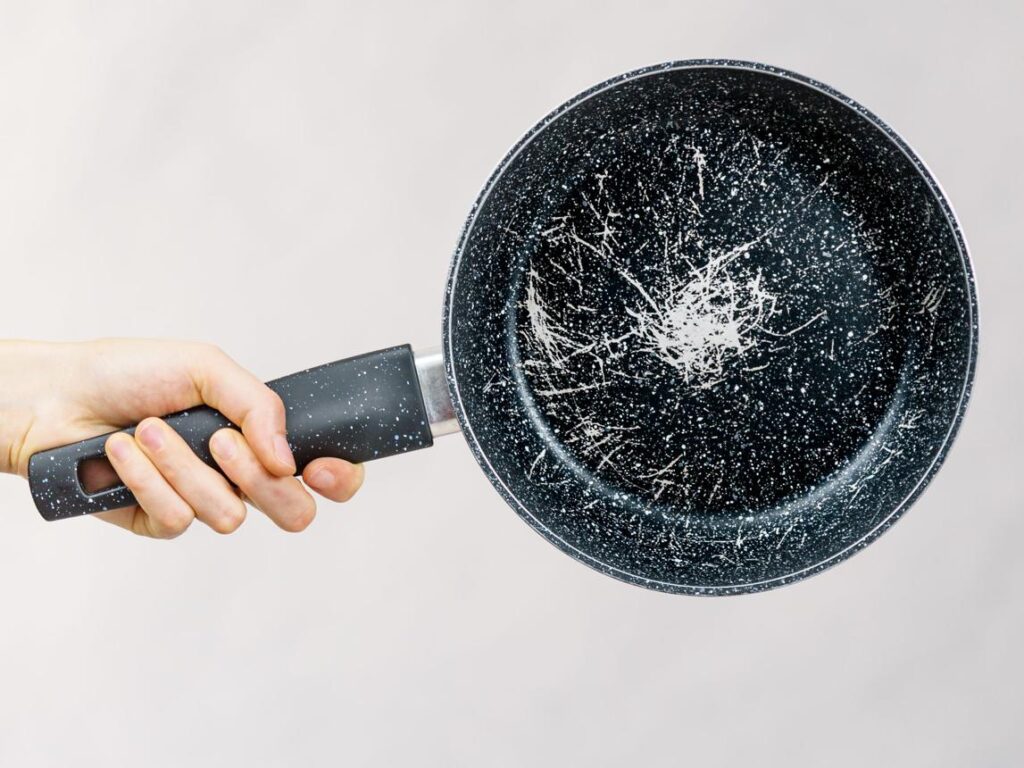
Why Scratched Nonstick Pans Raise Concerns
Nonstick cookware has become popular because it makes cooking and cleanup easier. Eggs, pancakes, vegetables, and many other foods can be cooked with less oil and less sticking.
Over time, however, the nonstick coating can begin to wear down. This often happens because of:
- Regular use
- Metal utensils
- High cooking temperatures
- Stacking pans without protection
- Frequent washing and scrubbing
Small scratches may not immediately make a pan unsafe, but they can be a sign that the coating is beginning to deteriorate.
For many adults over 50, replacing worn kitchen items before they become a problem is simply part of maintaining a safer and more comfortable home environment.
When Should You Replace Scratched Nonstick Pans?
Not every scratch means a pan belongs in the trash.
Minor surface marks that do not affect cooking performance are often different from significant damage.
You may want to consider replacing a scratched nonstick pan if:
- The coating is peeling.
- Pieces of coating appear to be flaking off.
- Food sticks despite proper use.
- Deep scratches cover large portions of the cooking surface.
- The pan has become warped or damaged.
In many cases, visible peeling is a stronger reason for replacement than a few light scratches.
A pan that no longer performs properly may simply be reaching the end of its useful life.
Comparing Common Cookware Options
| Cookware Type | Nonstick Surface | Durability | Maintenance |
|---|---|---|---|
| Traditional Nonstick | Excellent | Moderate | Easy |
| Ceramic-Coated | Good | Moderate | Easy |
| Stainless Steel | None | Excellent | Moderate |
| Cast Iron | Natural | Excellent | Higher |
This comparison can help when deciding whether to replace an older nonstick pan or explore other options.
Alternatives to Scratched Nonstick Pans
If your cookware is showing significant wear, replacement may be the simplest solution.
Ceramic Cookware
Ceramic-coated cookware is a popular alternative for people who enjoy easy cleanup and nonstick performance.
Many people choose ceramic cookware because it offers a smooth cooking surface and works well for everyday meals.
It may be a good option for adults who want a replacement for an aging nonstick pan without changing their cooking habits dramatically.
⇒ See your choice of ceramic cookware here.
Stainless Steel Cookware
Stainless steel cookware is known for durability.
Unlike nonstick coatings, stainless steel does not scratch in the same way and can often last for many years when properly cared for.
Some people find there is a learning curve because food can stick if cooking techniques are not adjusted.
However, many home cooks appreciate its longevity.
⇒ See your choice of stainless steel cookware here at Amazon.
Replacement Nonstick Cookware
For some households, the simplest solution is replacing an older nonstick pan with a new one.
Modern nonstick cookware continues to be popular because it is easy to use and requires minimal maintenance.
If your current pan is peeling, heavily scratched, or no longer performs well, replacement may restore both convenience and cooking performance.
⇒ See your choice of replacement nonstick cookware here.
How to Prevent Scratches in Nonstick Cookware
Preventing damage is often easier than replacing cookware.
A few simple habits can help extend the life of your pans.
Use Softer Cooking Utensils
Metal utensils are one of the most common causes of scratches.
Wooden and silicone utensils are often gentler on nonstick surfaces and may help reduce wear over time.
⇒ See your choice of wooden and silicone cooking utensils here.
Protect Pans During Storage
Stacking cookware directly on top of each other can create scratches, especially when heavy pans are involved.
Cookware protectors and pan separators can help prevent damage during storage.
⇒ See your choice of cookware protectors here.
Avoid Excessively High Heat
Many nonstick pans perform best at low to medium temperatures.
Using very high heat regularly may shorten the lifespan of the coating.
Following the manufacturer’s recommendations can help your cookware last longer.
Additional Practical Tips for Nonstick Pan Safety
Regular inspection can help you spot problems before they become serious.
Consider checking your cookware occasionally for:
- Peeling coatings
- Deep scratches
- Loose handles
- Warped cooking surfaces
Replacing worn cookware may improve both cooking performance and peace of mind.
If you’re interested in creating a safer and more comfortable kitchen environment, you may also enjoy our article on:
Best Lightweight Pans for Arthritis: 7 Non-Toxic, Easy-Clean Picks Opening
FAQ
Are scratched nonstick pans dangerous?
Minor scratches do not automatically make a pan dangerous. However, significant peeling, flaking, or heavy damage may indicate that replacement is appropriate.
How long do nonstick pans usually last?
Lifespan varies depending on quality and use. Many nonstick pans last several years before showing significant wear.
What causes nonstick pans to scratch?
Metal utensils, improper storage, high heat, and normal wear over time are common causes.
Is ceramic cookware better than nonstick cookware?
Both have advantages. Ceramic cookware is popular for its nonstick properties, while traditional nonstick cookware remains a convenient option for many home cooks.
Final Thoughts
If you’re wondering whether scratched nonstick pans are safe to use after 50, the answer often depends on the extent of the damage.
A few minor scratches may not be cause for immediate concern, but peeling coatings, deep scratches, and declining cooking performance are often signs that replacement should be considered.
The good news is that there are several cookware options available, including ceramic, stainless steel, and newer nonstick products. Combined with proper utensils and storage practices, these choices can help your cookware last longer and perform better.
Taking a few minutes to inspect your pans today may help you avoid problems tomorrow while keeping your kitchen safer, more comfortable, and easier to use.
Affiliate Disclosure:
Some links in this article may be affiliate links. As an Amazon Associate, PowerAt50Plus earns from qualifying purchases at no extra cost to you.