
A Bathroom That Feels Good to Use
There’s a difference between a bathroom that works and one that feels good to use.
Some spaces feel cold, purely functional, and slightly uncomfortable without you being able to explain why. Others feel calm, supportive, and easy to move through, almost like everything is placed exactly where it should be.
Most people don’t think about this until something feels slightly off. Maybe it’s the way you step into the shower, how you reach for support without realizing it, or how standing for longer periods starts to feel less natural.
That’s where modern bathroom safety modifications begin to make sense—not as a reaction, but as a refinement. Instead of turning your bathroom into something clinical, the goal is to make it feel smoother, more comfortable, and easier to use every day.
Why Comfort Matters More Than Appearance Alone
Bathrooms are one of the most frequently used spaces in your home.
Yet they’re often designed with appearance first, and movement second.
You step in and out of the shower.
You stand on smooth, sometimes slippery surfaces.
You reach, turn, and shift your balance in a relatively small space.
Individually, these actions feel simple. But together, they create a pattern of movement that benefits from better support.
The National Institute on Aging highlights how thoughtful home design, especially in areas like bathrooms, plays a key role in maintaining comfort and independence over time.
What’s Really Happening in Daily Bathroom Use
Most people don’t consciously think about how they move in the bathroom.
But your body does.
You naturally:
- Reach for something stable when stepping in
- Adjust your stance on smooth surfaces
- Shift your weight when standing too long
- Move more carefully in tighter spaces
These are subtle adjustments—not problems.
However, they reveal something important:
👉 Your body is already looking for support
👉 It just hasn’t been built into the space yet
What People Often Get Wrong
The biggest misconception is this:
“Bathroom upgrades will make the space look medical.”
That used to be true.
But today, many solutions are designed to blend in—or even enhance the look of your bathroom.
Instead of:
- bulky metal bars
- visible “assistive” equipment
You now have:
- sleek, minimal designs
- dual-purpose fixtures
- finishes that match modern interiors
👉 The shift is from visible support → integrated design
Practical Upgrades That Feel Like a Spa, Not a Clinic
1. Designer Grab Bars That Blend In
Modern grab bars don’t stand out—they fit in.
Many are designed as:
- towel bars
- sleek horizontal rails
- part of the overall aesthetic
They provide support when needed, without changing how the space looks.
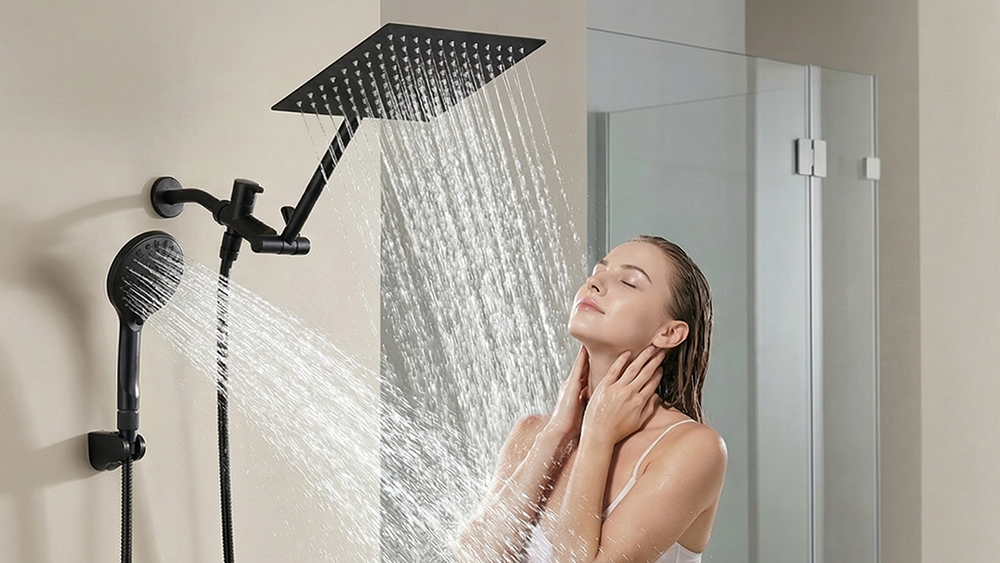
2. Handheld Shower Heads
Instead of standing in one position, you gain flexibility.
This allows you to:
- sit comfortably if needed
- control water direction easily
- reduce unnecessary movement
It turns a routine task into a more relaxed experience.
3. Low-Threshold or Step-Free Showers
Even a small step can interrupt movement.
A low-threshold entry:
- creates a smoother transition
- removes hesitation
- improves flow
It’s one of the most noticeable upgrades in daily use.
4. Non-Slip Flooring That Still Looks Modern
Today’s options don’t look industrial.
You can choose:
- textured tiles
- matte finishes
- subtle grip surfaces
They improve traction without affecting design.
5. Built-In or Foldable Shower Seating
This isn’t about necessity—it’s about comfort.
Having the option to sit:
- reduces strain
- adds flexibility
- makes longer showers more relaxing
Quick Comparison: Traditional vs Modern Bathroom Upgrades
| Feature | Traditional Look | Modern Approach | Daily Experience |
|---|---|---|---|
| Grab bars | Visible, clinical | Integrated, stylish | Seamless support |
| Shower head | Fixed | Handheld | Flexible use |
| Shower entry | Raised | Low-threshold | Smooth transition |
| Flooring | Slippery finish | Textured modern tile | Better grip |
| Seating | Separate chair | Built-in/foldable | Cleaner + practical |
Recommended: Simple Upgrades That Make a Big Difference
If you want to start small, focus on details that improve comfort immediately.
Many homeowners choose designer grab bars with brushed or matte finishes that match existing fixtures while providing discreet support.
A handheld shower head with adjustable pressure settings is another easy upgrade that adds flexibility without changing your setup.
Recommended: Upgrades That Transform the Space
For a more noticeable improvement, combining multiple elements works best.
A low-threshold shower design paired with non-slip flooring creates a smoother, more stable environment.
Adding a foldable wall-mounted shower seat completes the setup, making the space feel more like a spa than a standard bathroom.
How This Changes Daily Experience
When your bathroom supports your movement, everything feels different.
You don’t hesitate before stepping in.
You don’t adjust your stance as often.
You don’t think about balance or positioning.
You just move naturally.
And just like with other areas of your home, you may notice how thoughtful design improves your overall comfort and daily flow when your environment works with you instead of against you.
❓ FAQ
Do bathroom safety upgrades have to look medical?
No. Modern designs are made to blend in and enhance your space.
Are these upgrades expensive?
Some are affordable and can be done gradually.
Which upgrade should I start with?
Grab bars and handheld shower heads are the easiest starting points.
Do I need a full remodel?
Not necessarily. Many improvements can be added without major changes.
Will these changes affect my bathroom style?
Most upgrades actually improve the overall look.
Final Thoughts
A well-designed bathroom doesn’t just look good—it feels effortless to use.
When comfort, support, and design come together, the space becomes more than functional. It becomes a place where movement feels natural, and daily routines feel easier without any extra thought.
That’s what modern bathroom safety modifications are really about—not changing your space, but improving how it supports you every day.
The best upgrades don’t make your home look different—they make it feel easier to live in.
— Sam Ammouri
Some links in this article may be affiliate links, including links to Amazon and other partners. This means a small commission may be earned at no extra cost to you.