
Why Arthritis Makes Exercise Feel Harder After 50
Arthritis affects more than individual joints. It can gradually change how the body responds to movement.
Recovery may take longer than it once did. Muscles sometimes tighten faster around painful areas. Balance may feel less stable during quick movements. Even the anticipation of pain can reduce activity levels over time.
Discomfort often becomes more noticeable during:
- Long walks on hard surfaces
- Repetitive stair climbing
- Standing for extended periods
- Cold weather
- High-impact exercise
- Sudden twisting movements
Traditional workouts can become frustrating when they place excessive stress on sensitive joints. Low-impact exercise helps reduce pressure on the knees, hips, lower back, and ankles while still allowing the body to stay active.
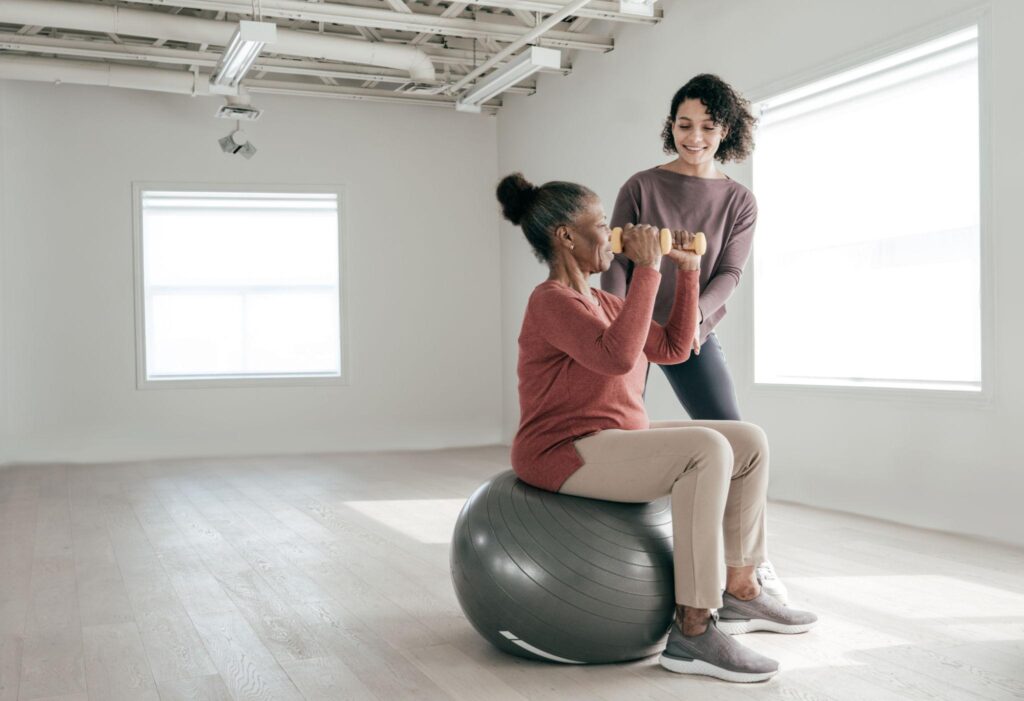
Why Arthritis Makes Exercise Feel Harder After 50
Arthritis affects more than just individual joints. For many adults, it gradually changes how the body responds to movement itself.
Recovery may take longer than it once did. Muscles sometimes tighten faster around painful areas. Balance may feel less stable during quick movements. Even fear of pain can quietly reduce activity levels over time.
Many people notice discomfort increasing during:
- Long Walks On Hard Surfaces
- Repetitive Stair Climbing
- Standing For Extended Periods
- Cold Weather
- High-Impact Exercise
- Sudden Twisting Movements
Because of this, traditional workouts often feel frustrating rather than motivating. Low-impact exercise helps reduce unnecessary pressure on the knees, hips, lower back, and ankles while still keeping the body active.
Gentle Movement Often Helps More Than Complete Rest
One of the most overlooked arthritis habits is avoiding movement entirely during flare-ups.
While rest may help temporarily, too much inactivity often increases stiffness over time. Joints may begin feeling tighter, weaker, and less flexible when movement becomes too limited.
Gentle low-impact exercise may help:
- Improve Joint Flexibility
- Support Blood Circulation
- Reduce Morning Stiffness
- Maintain Muscle Support Around Joints
- Improve Daily Mobility
- Support Balance And Coordination
For many adults over 50, consistency matters far more than intensity.
Walking Remains One Of The Simplest Low-Impact Exercises
Walking continues to be one of the easiest and most practical forms of low-impact exercise for arthritis sufferers.
It requires no gym membership, expensive equipment, or complicated routines. Many adults simply begin with shorter walks and gradually increase comfort over time.
However, the goal is not speed or distance. The real focus becomes steady movement without overwhelming the joints.
Many adults find walking easier when they:
- Choose Softer Walking Surfaces
- Wear Supportive Shoes
- Walk Earlier In The Day
- Avoid Long Continuous Sessions
- Take Short Rest Breaks
Even small daily walks may help reduce stiffness when performed consistently.
Water Exercise Reduces Pressure On Painful Joints
Many people with arthritis discover that water-based exercise feels noticeably easier on the body.
Water naturally supports body weight, which helps reduce impact on the knees, hips, and lower back during movement.
Because of this, water exercise often allows people to move more comfortably while still improving flexibility and circulation.
Popular low-impact water activities include:
- Water Aerobics
- Pool Walking
- Gentle Swimming
- Water Stretching
- Light Resistance Movements
In many cases, adults who struggle with traditional workouts feel more confident exercising in water environments.
Chair Exercises Help Maintain Movement During Flare-Ups
Some arthritis sufferers assume exercise is impossible during painful periods. However, chair exercises may still allow gentle movement without placing heavy pressure on sensitive joints.
Simple seated movements can help maintain circulation and mobility while reducing strain on the knees and hips.
Common chair exercises include:
- Seated Leg Raises
- Arm Circles
- Gentle Twisting Motions
- Light Resistance Band Exercises
- Ankle Rotations
Many adults use chair exercises as a starting point before gradually increasing activity later.
At the same time, chair workouts often feel less intimidating for beginners returning to movement after long inactive periods.
Comparing Common Low-Impact Exercises For Arthritis
| Exercise | Joint Pressure | Beginner Friendly | Best Benefit |
|---|---|---|---|
| Walking | Low | Excellent | Daily Mobility |
| Water Aerobics | Very Low | High | Reduced Joint Stress |
| Chair Exercises | Very Low | Excellent | Easy Starting Point |
| Stretching | Low | Excellent | Flexibility Support |
| Stationary Cycling | Moderate | Moderate | Leg Strength |
| Tai Chi | Very Low | Moderate | Balance And Coordination |
Stretching Helps Reduce Daily Tightness
Many people over 50 notice arthritis stiffness becoming worse after sitting too long or waking up in the morning.
Gentle stretching routines may help loosen muscles surrounding painful joints while improving overall movement comfort.
Helpful stretching habits may include:
- Morning Stretching Routines
- Gentle Shoulder Rolls
- Calf And Hamstring Stretching
- Hip Mobility Exercises
- Light Neck Movements
Slow movements usually work better than aggressive stretching for arthritis sufferers.
Supportive Footwear Often Changes Movement Comfort
Footwear becomes increasingly important when arthritis affects walking comfort.
Worn-out shoes may increase pressure on the knees, hips, and lower back without people realizing it immediately.
Supportive walking shoes, cushioned soles, and proper arch support may help reduce daily strain during movement.
This becomes especially important for adults who spend long hours:
- Walking On Hard Floors
- Cooking
- Shopping
- Standing Around The House
- Exercising Outdoors
Small comfort improvements under the feet often affect the entire body.
According to the Arthritis Foundation, regular low-impact movement may help improve flexibility, mobility, muscle support, and overall joint comfort for adults living with arthritis. Experts continue emphasizing that regular gentle exercise is often more beneficial long-term than remaining inactive for extended periods.
Many specialists also encourage adults over 50 to focus on sustainable movement routines rather than intense exercise programs that may aggravate painful joints.
Where Can You Find Helpful Low-Impact Exercise Equipment?
Many simple exercise-support products are available through:
- Sporting Goods Stores
- Local Supermarkets
- Warehouse Clubs
- Health Stores
- Pharmacy Chains
Some people prefer starting with small supportive items like resistance bands, exercise mats, cushioned walking shoes, or light hand weights.
⇒ You can also check these selected options on Amazon here – for low-impact exercise equipment designed for older adults and arthritis-friendly movement.
Also, you can explore natural remedies to help ease arthritis; see your options here
Turmeric is my choice
❓ FAQ
Can low-impact exercise help arthritis naturally?
Gentle movement may help many adults improve flexibility, circulation, and mobility while reducing stiffness over time.
What is the easiest low-impact exercise for arthritis sufferers?
Walking, chair exercises, water aerobics, and stretching are commonly considered beginner-friendly options.
Is walking safe for arthritis after 50?
In many cases, yes. Short walks with supportive footwear and proper pacing may help maintain movement without excessive strain.
Are chair exercises effective for arthritis?
Chair exercises may help improve circulation and mobility while placing less pressure on painful joints.
Can too much exercise worsen arthritis pain?
High-impact or excessive exercise may aggravate symptoms for some adults. Gentle, consistent movement is usually better tolerated.
Final Thoughts
Low-impact exercise for arthritis after 50 is not about chasing perfect fitness or forcing the body through painful routines. In many cases, it becomes a practical way to preserve mobility, reduce stiffness, and support everyday independence over time.
Small, consistent habits often create the biggest difference. Gentle walking, stretching, water exercise, and supportive movement routines may help many adults stay active without overwhelming painful joints.
As the body changes with age, movement itself often needs to change as well. However, staying active in safer and more comfortable ways may still help protect flexibility, confidence, and long-term quality of life for years ahead.
My Take
Low-impact exercise after 50 is often less about fitness goals and more about protecting long-term independence and comfort. Many adults are not trying to train like athletes.
Instead, they simply want to keep moving without feeling punished afterward by stiffness or joint pain. Gentle consistency usually matters far more than intensity when arthritis becomes part of daily life.
“Movement after 50 often works best when the body feels supported rather than pushed.”
— Sam Ammouri
“Comfort and mobility after 50 are often built through small daily movements repeated consistently.”
Sam Ammouri
Note
Some links in this article may be affiliate links, including links to Amazon and other partners. This means a small commission may be earned at no extra cost to you.