
Many people begin to lose balance after 50, even during simple daily activities like walking across a room, stepping off a curb, or turning quickly. If you’ve noticed that you lose balance after 50 more easily than before, you’re certainly not alone.
Balance is something we rarely think about until it starts to change. It depends on several systems working together — muscles, joints, vision, nerves, and the inner ear. As we age, these systems can shift slightly, which may make it easier to lose balance after 50 during movements that once felt completely natural.
The reassuring news is that most balance changes are not permanent. With the right habits, exercises, and awareness, many people improve stability and feel confident on their feet again.
Is It Normal to Lose Balance After 50?
Yes. It is very common for people to lose balance after 50 more easily than they did in earlier years. The body naturally changes with time, and balance is influenced by several small physical systems working together.
Muscles gradually lose some strength, especially in the legs and hips. These muscles are responsible for stabilizing the body during movement. When they weaken, the body may feel slightly less steady.
Joint flexibility can also decline over time. Stiffer joints can affect coordination and make quick adjustments more difficult when walking or changing direction.
The inner ear also plays a crucial role in balance. Tiny structures inside the ear help the brain understand head position and motion. When this system becomes less responsive, some people begin to lose balance after 50 more frequently.
According to Mayo Clinic, balance problems can occur when systems that control stability—vision, muscles, joints, and inner ear signals—don’t work together as efficiently as they once did.
Common Reasons People Lose Balance After 50
Several factors may contribute to feeling less steady.
Muscle Loss in the Legs
Muscle loss, known as sarcopenia, becomes more noticeable after age 50. The muscles that stabilize the hips, knees, and ankles are particularly important for balance.
When these muscles weaken, the body may struggle to correct itself quickly during movement, making it easier to lose balance after 50.
Reduced Coordination and Nerve Response
Nerves communicate constantly between the brain and the body. Over time, nerve signals that control coordination may slow slightly.
This doesn’t mean something is wrong, but it can affect how quickly the body responds when adjusting posture or movement.
Inner Ear Changes
The inner ear contains a delicate system that helps regulate balance. Small changes in this system can sometimes make quick movements feel less stable.
This is one reason some people notice they lose balance after 50 when turning suddenly or standing up quickly.
Lack of Movement
A very common cause of balance problems is simply inactivity. Sitting for long periods weakens stabilizing muscles and reduces coordination.
The good news is that this is one of the easiest causes to reverse.
Simple Exercises That Help If You Lose Balance After 50
Balance is actually a skill that improves with practice. Even small exercises can strengthen the muscles and coordination needed to stay stable.
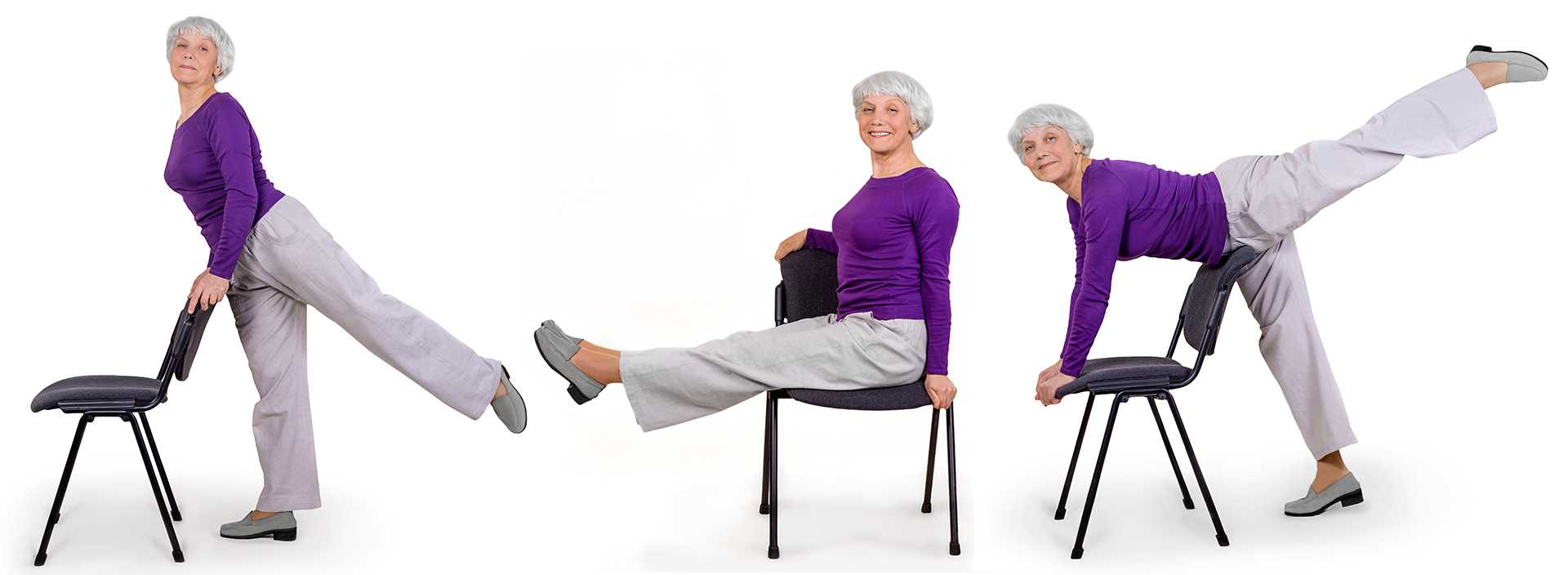
One helpful exercise is standing on one leg while holding a chair for support. Holding this position for a few seconds strengthens the stabilizing muscles in the hips and legs.
Another simple exercise is heel-to-toe walking. Slowly placing one foot directly in front of the other trains coordination and improves control.
Gentle strength exercises such as chair squats or step-ups can also improve stability. These exercises strengthen the muscles that support posture and help prevent falls.
Practicing these movements regularly can help many people who lose balance after 50 feel noticeably steadier within a few weeks.
Helpful Tools That Make Balance Training Easier
Sometimes, small tools can make balance exercises safer and more effective, especially when practicing at home.
Some people also find that a few simple tools make daily movement much easier to maintain.
Click below if you wish to see your options.
– Balance training board designed to improve coordination and stability
– Resistance bands for strengthening hip and leg stabilizing muscles
– Non-slip exercise mat that provides support during balance exercises
Using simple tools like these can make short daily balance sessions more comfortable and effective.
Walking Can Help Prevent Balance Problems
Walking is one of the most powerful exercises for people who begin to lose balance after 50. It activates dozens of stabilizing muscles in the legs, hips, and core.
Regular walking also trains coordination between the brain and muscles, improving the body’s ability to respond quickly during movement.
However, footwear plays an important role in stability. Shoes with good support and traction help reduce slips and improve confidence while walking.
Some people find that supportive footwear makes daily movement significantly easier.
Click below if you wish to see your options.
– Supportive walking shoes designed for stability and cushioning
– Orthopedic insoles that improve foot alignment and balance
– Lightweight walking sneakers with strong traction for safer steps
Strengthening the Core Improves Balance
The core muscles include the abdomen, lower back, and hip stabilizers. These muscles support posture and keep the body upright.
When the core becomes weak, the body must work harder to maintain stability. Strengthening these muscles can greatly improve balance.
Gentle exercises like seated leg lifts, light planks, and pelvic tilts can gradually strengthen the core without placing stress on the joints.
Activities such as yoga or tai chi are also excellent for improving balance and coordination.
Common Mistakes to Avoid When Trying to Improve Balance
Many people unintentionally make mistakes when trying to correct balance problems.
One common mistake is avoiding movement because of fear of falling. Unfortunately, inactivity weakens the muscles that protect against falls.
Another mistake is attempting difficult exercises too quickly. Balance improves best with gradual progress and consistent practice.
Finally, some people overlook the importance of proper footwear and safe exercise surfaces. These small details can make a big difference.
FAQ
Why do people lose balance after 50?
Balance can change due to muscle loss, joint stiffness, inner ear changes, and slower nerve signals.
Can balance improve after 50?
Yes. Regular movement, strength exercises, and balance training often improve stability significantly.
How long does it take to improve balance?
Many people notice improvement within a few weeks of consistent practice.
When should balance problems be checked by a doctor?
If balance problems appear suddenly, worsen quickly, or include dizziness or vision changes, medical advice is recommended.
You May Also Find Helpful
• Why Do I Feel Dizzy When Standing Up After 50? Causes and Simple Habits That Help
• Legs Feel Weak When Walking After 50? Causes and Simple Ways to Improve Strength
• Best Low-Impact Home Workouts for 50+ With Bad Knees
Final Thoughts
Many adults notice they lose balance after 50, but this change is often manageable and sometimes reversible. The body responds surprisingly well to movement, strengthening, and balance exercises.
Small daily habits like walking, improving muscle strength, and practicing simple balance exercises can gradually restore confidence and stability.
Improving balance doesn’t require dramatic changes. Consistent small actions often lead to meaningful improvements in how steady and secure you feel during everyday life.
“There is no problem that has no solution and no illness that has no medicine.”
— Sam Ammouri
About the Author
I am Sam Ammouri, the founder of PowerAt50Plus.com—a platform built from real-life experience, resilience, and a deep commitment to helping others feel better after 50.
The Turning Point
After facing several serious health challenges, I reached a moment where I had a choice—accept decline, or fight back. I chose to fight, with determination, consistency, and an unshakable will to regain control of my health and my life.
The Comeback
By combining medical guidance with natural remedies, simple daily movement, and sustainable lifestyle changes, I experienced a powerful comeback—proving that improvement is possible at any stage of life.
Why This Website Exists
That journey became the foundation of this website. Today, I share practical, realistic strategies to help you reduce discomfort, move more freely, and rebuild confidence—without overwhelming routines or unrealistic expectations.
A Message to You
My belief is simple: if meaningful change was possible for me, it’s possible for you too. You don’t need perfection or extreme measures—you just need the will to keep going.
And once you do—very little can stand in your way.