
Many people over 50 begin to notice something unusual when they go for a walk: their legs feel unusually tired, weak, or unsteady after only a short distance. If your legs feel weak when walking after 50, you may start wondering whether this is a normal part of aging or something that can be improved.
The experience of legs feeling weak when walking after 50 is actually quite common. As the body ages, muscles, circulation, and daily activity habits can all influence how strong and stable the legs feel during movement.
The encouraging news is that in many cases, simple lifestyle adjustments and muscle-supporting habits can help restore strength and make walking feel easier again.
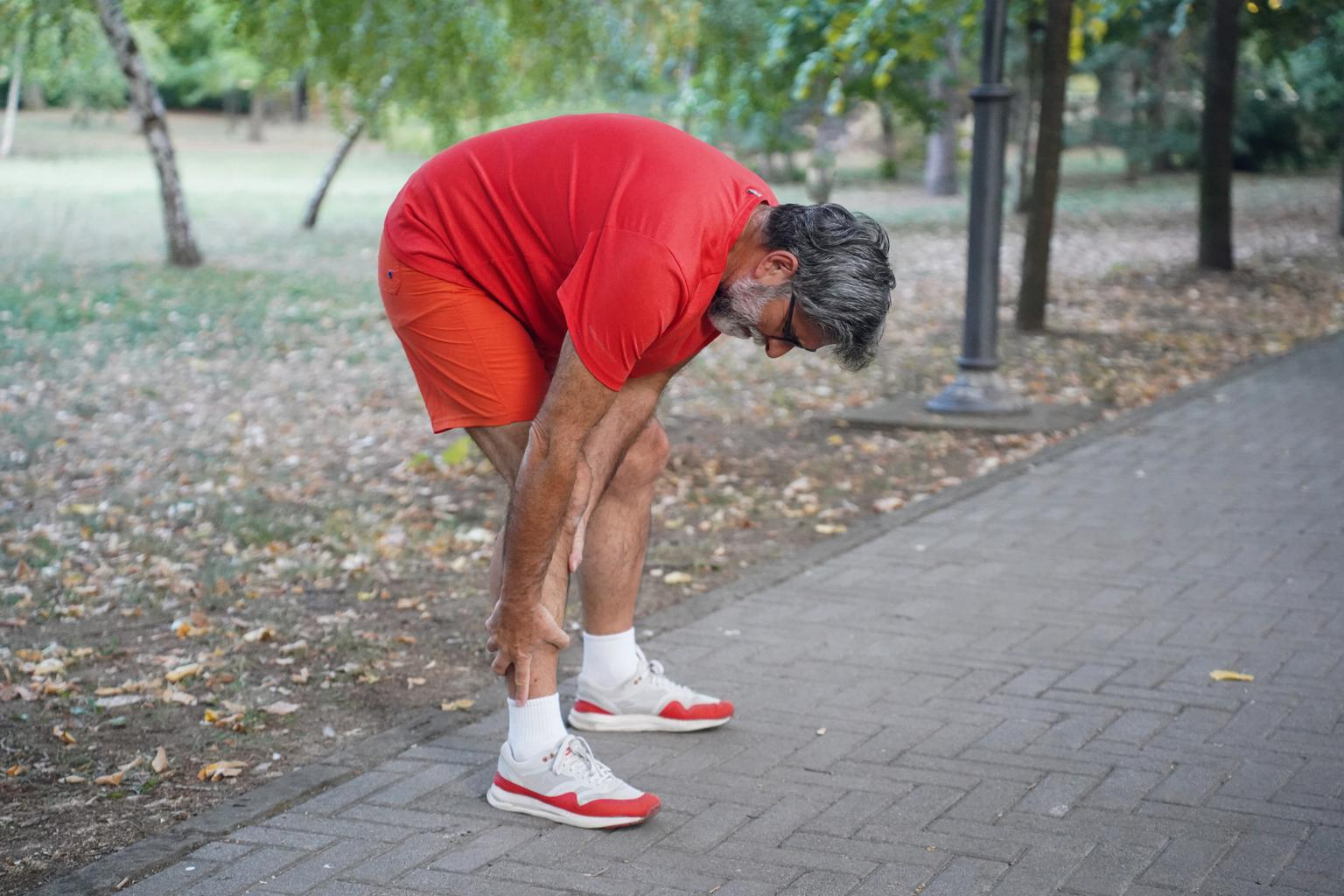
Why Do My Legs Feel Weak When Walking After 50?
Several common factors may contribute to legs feeling weak when walking after 50.
Natural Muscle Loss With Age
After the age of 50, the body gradually loses muscle mass if those muscles are not used regularly. This natural process is called sarcopenia and can cause the legs to feel weaker during activities like walking.
Strength training and regular movement help slow this process and rebuild muscle strength.
Reduced Circulation
Healthy circulation helps deliver oxygen and nutrients to the muscles during activity. When circulation slows, muscles may fatigue more quickly and feel weak.
According to the Mayo Clinic’s stable page about muscle weakness, muscle weakness can occur when muscles are not used regularly or when circulation and conditioning decline.
Long Periods of Sitting
Many adults spend large portions of the day sitting—whether at a desk, in a car, or watching television.
Prolonged sitting weakens the muscles that support walking and balance. This is why some people also notice their legs feel heavy after sitting for long periods, which is explained in our article Why Do My Legs Feel Heavy After Sitting Too Long After 50?
Joint Stiffness
Joint stiffness can also affect walking comfort. Many people notice their knees feel stiff after sitting too long after 50, which can make walking feel difficult during the first few minutes of movement.
As the joints warm up, walking often becomes easier.
Simple Habits That Help Strengthen the Legs
Fortunately, several simple habits can improve leg strength and walking endurance after 50.
Walk Regularly
Walking itself strengthens the muscles used for movement. Start with shorter distances and gradually increase walking time as your muscles adapt.
Consistency matters more than intensity.
Add Gentle Strength Exercises
Exercises that strengthen the legs may include:
-
seated leg lifts
-
wall squats
-
step-ups
These movements help rebuild strength in the muscles supporting the hips, knees, and thighs.
Stretch the Legs
Stretching improves flexibility and helps muscles work more efficiently. Tight muscles can sometimes cause discomfort during walking, similar to what happens when people experience calf cramps while walking, which we discuss in our article Why Do My Calves Cramp When Walking After 50?
Supportive Tools That Help Walking Comfort
Some people also find that a few supportive tools make walking more comfortable while rebuilding strength.
These tools can help support circulation and reduce strain on the muscles.
Click below if you wish to see your options.
– Compression calf sleeves designed to support circulation during walking
– Walking poles that help improve balance and stability
– Supportive walking shoes designed for shock absorption and comfort
Nutritional Support for Muscle Strength
Muscles rely on proper nutrients to maintain strength and endurance.
Some people explore nutritional support to help maintain healthy muscle function.
Click below if you wish to see your options.
– Magnesium supplements commonly used to support muscle relaxation
– Electrolyte hydration powders that help maintain muscle function
– Protein powders designed to support muscle maintenance
Recovery Tools That Relax Tired Leg Muscles
Muscle recovery also plays an important role in maintaining strength.
Many people use recovery tools to relax tight muscles after activity.
Click below if you wish to see your options.
– Foam rollers designed to massage tight leg muscles
– Massage guns used for deep muscle relaxation
– Heated leg wraps that help relax tired muscles
Common Mistakes to Avoid After 50
When dealing with legs feeling weak when walking after 50, a few habits may unintentionally make the problem worse.
Avoiding Physical Activity
While rest is sometimes necessary, avoiding activity for long periods can lead to further muscle weakening.
Increasing Exercise Too Quickly
Gradually increasing activity allows the muscles to strengthen safely and reduces the risk of injury.
Ignoring Recovery
Muscles need recovery time after exercise. Stretching and recovery tools can help maintain muscle health.
Frequently Asked Questions
Is leg weakness when walking common after 50?
Yes. Many adults experience reduced muscle strength with age, especially if activity levels decrease.
Can exercise improve leg strength?
Yes. Regular walking and strength exercises can significantly improve muscle endurance and stability.
How long does it take to strengthen leg muscles?
With consistent activity, many people begin noticing improvements within several weeks.
When should leg weakness be evaluated by a doctor?
If weakness becomes sudden, severe, or affects balance significantly, it’s important to consult a healthcare professional.
You May Also Find Helpful
• Why Do My Legs Feel Heavy After Sitting Too Long After 50? Causes and Simple Ways to Improve Circulation
• Why Do My Calves Cramp When Walking After 50? Causes and Simple Ways to Find Relief
• Why Do My Legs Cramp at Night After 50? Causes, Natural Relief, and Simple Habits That Help
Final Thoughts
If your legs feel weak when walking after 50, the cause is often related to muscle strength, circulation, and daily activity patterns.
The encouraging news is that small habits—like walking regularly, strengthening the leg muscles, and supporting muscle recovery—can make a meaningful difference.
With steady movement and proper care, many people find their legs gradually become stronger and walking becomes easier again.
“There is no problem that has no solution and no illness that has no medicine.”
— Sam Ammouri
About the Author
I am Sam Ammouri, the founder of PowerAt50Plus.com—a platform built from real-life experience, resilience, and a deep commitment to helping others feel better after 50.
The Turning Point
After facing several serious health challenges, I reached a moment where I had a choice—accept decline, or fight back. I chose to fight, with determination, consistency, and an unshakable will to regain control of my health and my life.
The Comeback
By combining medical guidance with natural remedies, simple daily movement, and sustainable lifestyle changes, I experienced a powerful comeback—proving that improvement is possible at any stage of life.
Why This Website Exists
That journey became the foundation of this website. Today, I share practical, realistic strategies to help you reduce discomfort, move more freely, and rebuild confidence—without overwhelming routines or unrealistic expectations.
A Message to You
My belief is simple: if meaningful change was possible for me, it’s possible for you too. You don’t need perfection or extreme measures—you just need the will to keep going.
And once you do—very little can stand in your way.