
You’re looking in the mirror one morning when you notice a few hairs on your chin that weren’t there before. Or maybe your eyebrows seem thicker and harder to manage, and you’ve started trimming ear or nose hair more often than you used to.
If you’ve been wondering why you’re growing hair in new places after 50, you’re not alone. It can feel strange to lose hair on your head while noticing more hair appearing in other areas of your body at the same time.
The good news is that these changes are often a normal part of aging. Shifts in hormone levels, genetics, and changes in how hair follicles respond over time can all affect where hair grows and how noticeable it becomes.
In most cases, growing hair in new places after 50 isn’t a sign that something is wrong. Understanding why it happens can make the change feel less surprising and easier to manage.
Why Hair Growth Patterns Change After 50
Hair follicles are influenced by hormones throughout life. As hormone levels change with age, hair follicles can respond differently than they did in earlier years.
At the same time, some areas of the body may experience thinning hair while others become more active. This is why many adults notice both hair loss and new hair growth occurring at the same time.
Several factors can contribute to these changes:
- Hormonal shifts associated with aging.
- Increased sensitivity of hair follicles.
- Genetic tendencies becoming more noticeable.
- Menopause and other hormonal milestones.
- Natural changes in hair growth cycles.
These changes are common and often become more noticeable during the years after 50.
Hormonal Changes Often Play the Biggest Role
One of the most common reasons for new hair growth after 50 is changing hormone levels.
For women, menopause often causes estrogen levels to decline. As estrogen decreases, naturally occurring androgens may have a greater influence on hair follicles. This can lead to increased facial hair growth, particularly around the chin, upper lip, and jawline.
Men may also notice changes in hair growth patterns as hormone levels shift with age.
These changes do not necessarily indicate a medical problem. They are often part of the body’s normal aging process.
Hormonal Changes Often Play the Biggest Role. According to the American Academy of Dermatology, hormonal changes can influence where and how hair grows as people age. This can lead to increased facial or body hair in areas that were previously less noticeable.
Genetics Can Become More Noticeable With Age
Family history often influences how hair changes over time.
If parents or close relatives experienced facial hair growth, ear hair growth, or increased body hair later in life, similar patterns may appear as you age.
Genetics cannot always predict exactly what will happen, but they often help explain why some people notice more changes than others.
When New Hair Growth May Need Medical Attention
Most age-related hair growth changes are harmless.
However, it is worth speaking with a healthcare professional if you notice:
- Sudden or rapid hair growth.
- Excessive hair growth that appears unusual for you.
- Significant hormonal symptoms.
- Changes that occur alongside unexplained weight changes or other health concerns.
- Any symptom that causes concern or interferes with daily life.
This article focuses on common age-related hair growth changes rather than diagnosed medical conditions.
1. Facial Hair Trimmers Can Make Maintenance Easier
Many adults find that facial hair trimmers provide one of the simplest ways to manage unwanted hair.
These tools are designed to remove hair quickly without requiring frequent tweezing or shaving. Many models are made specifically for sensitive facial areas and can help maintain a neat appearance with minimal effort.
Facial hair trimmers may be particularly helpful for people who regularly notice chin hairs, upper lip hairs, or other facial hair growth.
A few minutes of maintenance each week is often enough to keep unwanted hair under control.
⇒ See your choice of facial hair trimmers here
2. Precision Tweezers Work Well for Individual Hairs
Not everyone needs an electric grooming tool.
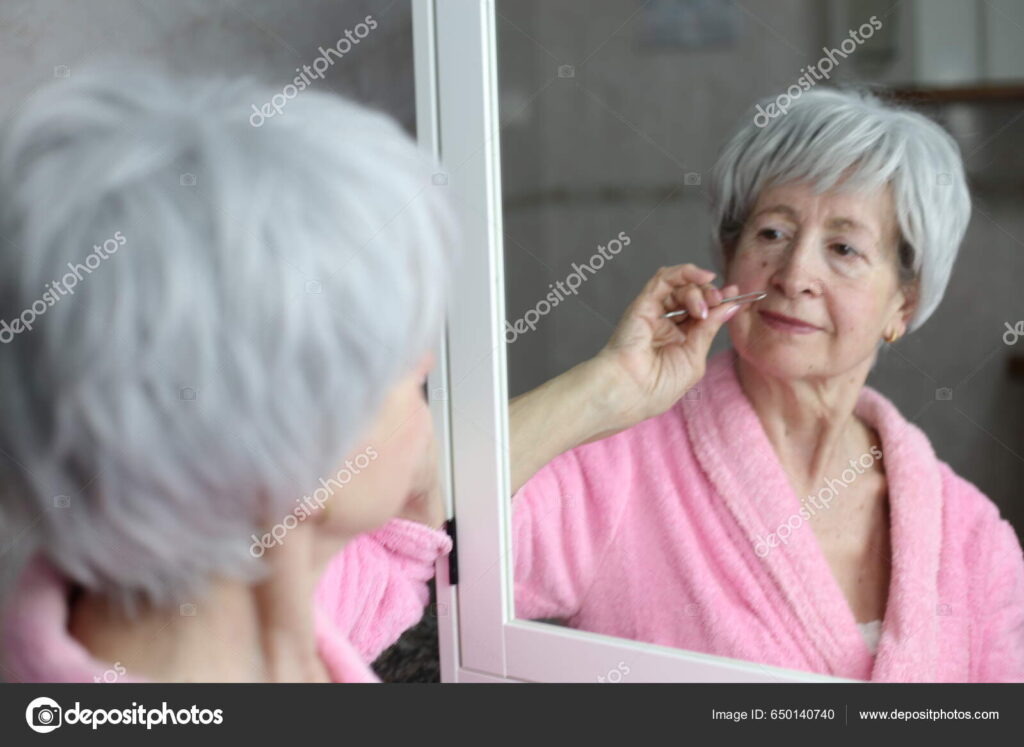
For people dealing with only a few stray hairs, a quality pair of precision tweezers may be all that is necessary.
Tweezers allow targeted removal and are especially useful for isolated hairs on the chin, eyebrows, or other small areas.
Many people prefer this approach because it is simple, inexpensive, and easy to incorporate into a regular grooming routine.
⇒ See your choice of precision tweezers here
3. Electric Grooming Tools Can Help With Larger Areas
Some people notice hair growth in multiple locations and prefer a more comprehensive grooming solution.
Electric grooming tools often include various attachments designed for facial hair, ear hair, nose hair, and body hair.
These tools may help simplify regular maintenance while reducing the time spent managing unwanted hair.
Individuals who experience recurring hair growth in several areas may find these tools particularly useful.
⇒ See your choice of electric grooming tools here
4. Gentle Facial Hair Removal Creams May Be an Option
Hair removal creams are another option that some adults choose for temporary hair management.
These products work differently than trimming or tweezing and may provide a convenient solution for certain areas.
Because skin can become more sensitive with age, it is important to follow product directions carefully and test new products on a small area first.
People with sensitive skin should pay particular attention to ingredient lists and usage instructions.
⇒ See your choice of facial hair removal creams here
Additional Tips for Managing New Hair Growth After 50
Products can help, but a few simple habits may make management easier.
- Follow a consistent grooming routine.
- Avoid aggressive plucking or removal methods.
- Moisturize skin regularly after hair removal.
- Replace grooming tools when they become dull.
- Pay attention to skin irritation and allow time for recovery when needed.
Gentle, consistent maintenance is usually more effective than trying to remove large amounts of hair all at once.
Related Reading
If you are also noticing thinning hair on your scalp while experiencing new hair growth elsewhere, you may find this related article helpful:
Why Am I Losing So Much Hair After 50? Causes and Simple Ways to Slow Hair Thinning
Final Thoughts
If you are growing hair in new places after 50, you are far from alone. Hormonal changes, genetics, and normal aging can all influence where hair grows and how noticeable it becomes.
In most cases, these changes are a normal part of getting older and can be managed with simple grooming habits and the right tools.
If hair growth is sudden, excessive, or accompanied by other unusual symptoms, speaking with a healthcare professional can help determine whether an underlying condition requires attention.
Affiliate Disclosure: Some links in this article may be affiliate links. As an Amazon Associate, PowerAt50Plus earns from qualifying purchases at no extra cost to you.