
If you’ve been wondering how to get up from the floor after 60, you’re not alone. What used to feel like a normal movement can slowly become something you think about before doing.
At first, it’s barely noticeable. You kneel down or sit lower than usual, and getting back up just feels a bit slower. However, over time, that small change becomes more obvious. You may start looking for support or moving more carefully than before.
This shift happens gradually. In many cases, it’s not because your body can’t do it—it’s because it hasn’t practiced the movement often enough.
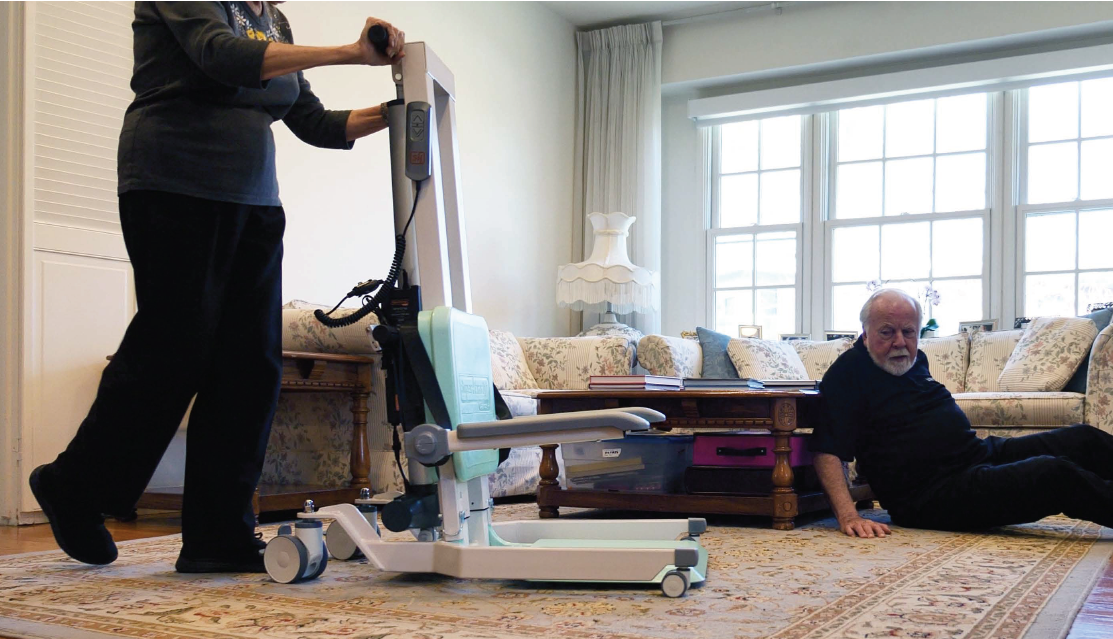
How To Get Up From The Floor After 60 (The Real Reason It Feels Harder)
In reality, getting up from the floor is not just about strength. Instead, it depends on how well your body can move through a sequence of steps.
For example, this movement requires:
Lower Body Strength
Balance And Stability
Coordination Between Arms And Legs
Confidence In Movement
When one of these areas weakens, the whole process feels harder. As a result, even a simple movement can feel uncertain.
What’s Really Happening When You Try To Stand Up
Standing up from the floor is a step-by-step action, not one single movement.
First, you shift your weight. Then, you move into a seated or kneeling position. After that, you bring one leg forward and push yourself up.
However, when these steps don’t flow smoothly, your body starts to adjust in ways that feel awkward.
Because of this, you might notice:
- Reaching for nearby furniture
- Pausing halfway through
- Feeling unsteady
- Taking longer than expected
This doesn’t mean the ability is gone. Instead, it means your body needs to relearn the pattern.
What People Often Do (And Why It Backfires)
When this movement starts to feel harder, many people try to avoid it.
For example, they might:
- Stop sitting on low surfaces
- Avoid getting down to the floor
- Depend more on support
At first, this feels like a smart decision. However, over time, it creates a problem.
Because the movement is avoided, the body stops practicing it. As a result, it becomes even harder.
That’s why avoiding the movement doesn’t help—it actually makes things worse.
The Safe Way To Get Up From The Floor
Once you understand how to get up from the floor after 60, the goal becomes making the movement simple and controlled.
Step-By-Step Method
- Roll onto your side
- Push yourself into a seated position
- Move onto hands and knees
- Bring one foot forward
- Push up slowly into standing
Take your time with each step. There’s no need to rush.
Why This Works
This method works because it breaks the movement into smaller parts. As a result, your body doesn’t feel overwhelmed.
In addition, it helps you build confidence with each step.
Comparison: Avoiding The Movement Vs Practicing It
| Situation | What Happens | Long-Term Result |
|---|---|---|
| Avoiding The Floor | Feels easier short term | Movement becomes harder |
| Relying Only On Support | Reduces effort | Less independence |
| Practicing Occasionally | Some improvement | Slow progress |
| Practicing Regularly | Builds strength and control | Better confidence and safety |
Because of this, regular practice always leads to better results.
Practical Ways To Build Confidence
Instead of forcing the movement, focus on small improvements.
Start With Support
Keep a chair or couch nearby so you feel safe.
Practice Partial Steps
Sit low and stand up without going fully to the floor.
Keep It Short
Short sessions work better than long ones.
Move Slowly
Controlled movement builds confidence faster.
Over time, these small steps make the full movement feel easier.
Recommended: Simple Tools That Help
A few simple tools can make practice more comfortable:
- Non-slip mats for stability
- Knee pads for comfort
- A sturdy chair for support
These tools are optional, but they can make the process smoother.
Recommended: Easy Strength Support
To make progress easier, support your body with simple exercises:
- Chair-based leg movements
- Resistance bands for light strength
- Balance drills to improve stability
These help your body adapt without adding pressure.
A Small Shift That Changes Everything
Many people think this movement is only about strength. However, it’s really about practice and confidence.
When your body gets used to the steps again, everything feels more natural.
You may also notice similar patterns in everyday movement changes after 50, where small abilities fade simply because they aren’t used often.
A Simple Insight Worth Knowing
The National Institute on Aging explains that everyday movements like standing up from the floor play a big role in staying independent.
In other words, it’s not about doing something difficult—it’s about keeping your body ready for real-life situations.
❓ FAQ
Why Is It Harder To Get Up From The Floor After 60?
Because strength, balance, and coordination are not used together as often.
Is It Safe To Practice At Home?
Yes, as long as you move slowly and keep support nearby.
How Often Should I Practice?
Two to four times per week is enough to see progress.
What If I Feel Unsteady?
Use support and take your time with each step.
Can This Ability Improve?
Yes. With consistent practice, most people regain confidence and control.
Final Thoughts
At some point, movements that once felt natural begin to feel different. Getting up from the floor becomes something you think about instead of something you just do.
However, that change doesn’t mean the ability is gone.
Instead, it means your body hasn’t practiced the movement recently.
With time and consistency, that ability can come back. Step by step, your body becomes more familiar with the movement again. Confidence grows, and the process feels easier.
In the end, it’s not about pushing harder—it’s about moving smarter and staying consistent.
“Confidence in movement isn’t built by avoiding it—it’s built by returning to it, one step at a time.”
— Sam Ammouri
Some links in this article may be affiliate links, including links to Amazon and other partners. This means a small commission may be earned at no extra cost to you.