
It usually shows up in small moments…
You reach for a jar… or grab a cup… and your fingers don’t move as smoothly as they used to.
They feel tight. Maybe a little slow. Sometimes, even a bit uncomfortable.
If you’ve been wondering why your fingers feel stiff when gripping things after 50, you’re not alone. This is a very common change, and in most cases, it’s not something serious.
The good news?
There are simple reasons behind it—and simple ways to improve it.
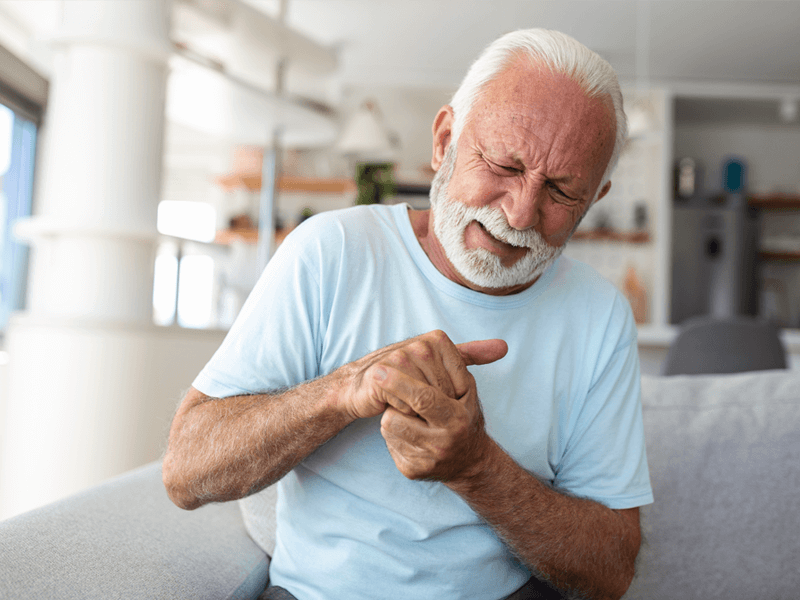
Why Do My Fingers Feel Stiff When Gripping Things After 50?
👉 Fingers feel stiff when gripping things after 50, mainly because of joint tightness, tendon changes, and reduced flexibility in the hands.
As the body ages, the small joints and tendons in your fingers don’t move as freely as they once did.
Because of this:
- Fingers feel tight when gripping
- Movement feels slower
- Flexibility decreases
At the same time, this may connect with other hand-related issues. For example, many people also experience Hands Feel Weak When Gripping Things After 50. , which is closely related to muscle support and hand function.
What Causes Finger Stiffness After 50?
Let’s keep this simple.
1. Joint Tightness Builds Over Time
Finger joints are used constantly.
Because of this:
- Wear and tear builds gradually
- Movement becomes less smooth
- Stiffness becomes noticeable
2. Tendons Become Less Flexible
Tendons help your fingers move.
Over time:
- They may feel tighter
- Movement becomes less fluid
As a result, gripping feels more difficult.
3. Circulation Slows Slightly
Circulation plays a role in flexibility.
When blood flow is slower:
- Fingers may feel stiff
- Movement may feel restricted
A Simple Way to Look at It
👉 Your fingers aren’t stuck—they just need more movement to stay flexible.
Simple Ways to Loosen Stiff Fingers After 50
You don’t need anything complicated.
1. Do Gentle Finger Exercises
Regular movement helps restore flexibility.
For example:
- Open and close your hands slowly
- Stretch your fingers
- Squeeze a soft ball
Even a few minutes a day helps.
2. Warm Up Your Hands
Warmth improves movement.
For example:
- Warm water
- Gentle hand massage
Because of this, joints loosen more easily.
3. Keep Your Hands Active
Daily use helps maintain flexibility.
For example:
- Cooking
- Light tasks
- Handling small objects
4. Use Supportive Tools When Needed
Some people find simple tools helpful.
Some people find these helpful:
Click below if you wish to see your options.
– Ergonomic jar openers for easier grip
– Therapy balls for finger movement
– Hand grip tools for flexibility
What Experts Say About Finger Stiffness
According to Mayo Clinic, stiffness in the fingers can be related to joint changes or conditions like arthritis, which affect flexibility and movement over time.
Why This Matters More Than You Think
Finger stiffness may seem minor. However, it can affect:
- Daily tasks
- Grip strength
- Comfort
Because of this, improving flexibility helps maintain independence.
Common Mistakes to Avoid
- Avoiding movement due to stiffness
- Overusing hands without stretching
- Ignoring early tightness
- Not warming up the hands
FAQ
Is finger stiffness normal after 50?
Yes, it’s common and often manageable.
Can exercises help?
Yes, regular movement improves flexibility.
Does warmth help?
Yes, it loosens joints and improves movement.
When should I see a doctor?
If stiffness is persistent, painful, or worsening.
You May Also Find Helpful
-
Why Do My Hands Feel Weak When Gripping Things After 50? Causes and Simple Ways to Improve Strength
-
Why Do My Hands Shake When Holding Something After 50? Causes and Simple Ways to Steady Your Hands
-
Why Do My Fingers Go Numb While Sleeping After 50? Causes and Simple Ways to Prevent It
Final Thoughts
If your fingers feel stiff when gripping things after 50, it doesn’t mean something is wrong.
In most cases, it’s simply a natural change in how your joints and tendons move.
With small daily habits, flexibility can improve more than you might expect.
“There is no problem that has no solution and no illness that has no medicine.”
— Sam Ammouri
Medical Disclaimer
This content is for informational purposes only and is not intended as medical advice. Always consult a healthcare professional if needed.
Affiliate Disclaimer
Some links may be affiliate links, which means a small commission may be earned at no extra cost to you.