
It’s not the kind of pain that stops you in your tracks.
Just a small, lingering discomfort—enough to notice, but not enough to clearly explain.
If your ears hurt slightly without infection after 50, you are not alone. It is a common sensation that can appear quietly, linger briefly, and then fade without a clear reason.
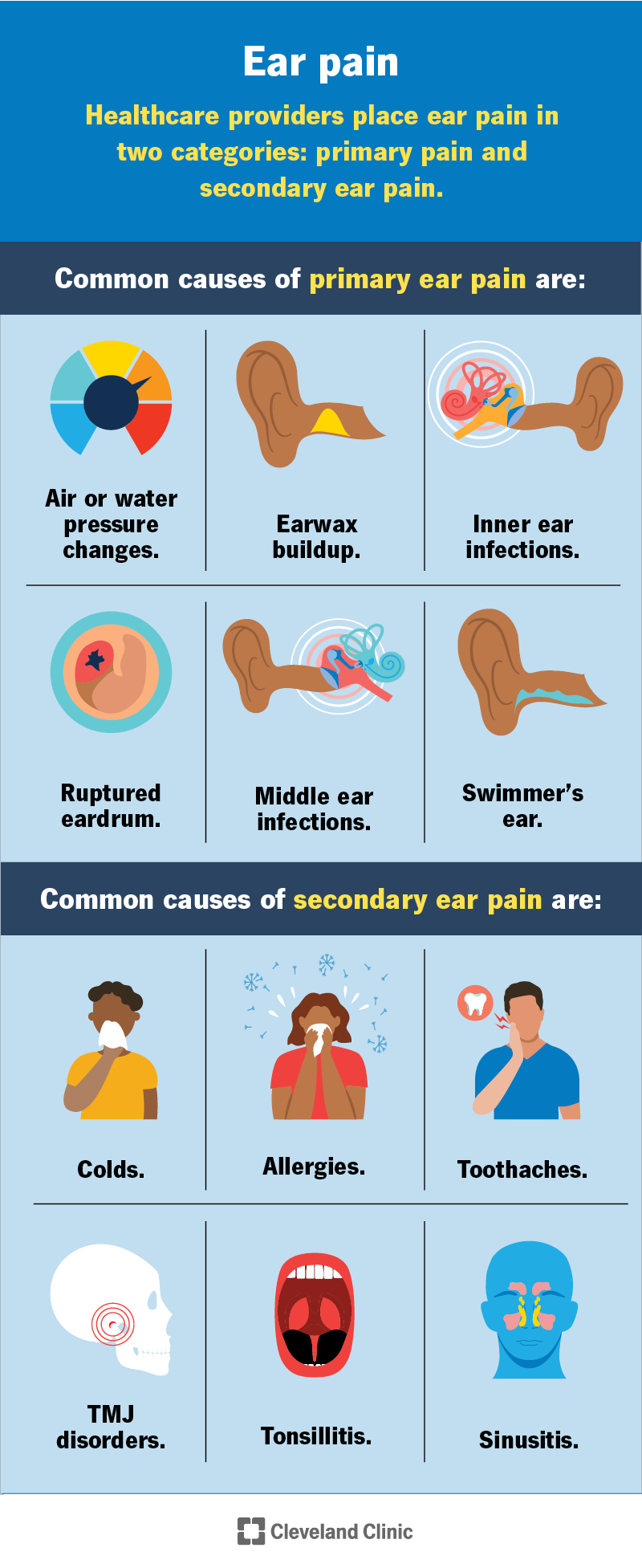
The reassuring part is that in many cases, this type of discomfort is not related to infection. It is often linked to pressure changes, muscle tension, or nearby structures affecting the ear.
Is It Normal If Ears Hurt Slightly Without Infection After 50?
Yes, it is quite common.
The ear is closely connected to nearby structures such as the jaw, neck, and sinuses. Because these areas share nerve pathways, discomfort in one area can be felt in another.
This is why ear discomfort is not always caused by the ear itself.
What Experts Say About Mild Ear Pain Without Infection
Mayo Clinic explains that ear pain without infection can be linked to pressure changes, jaw tension, sinus conditions, or muscle strain affecting nearby structures.
Common Reasons Ears Hurt Slightly Without Infection After 50
Pressure Imbalance
Small pressure changes—especially when the Eustachian tubes are not opening smoothly—can create discomfort.
Jaw Tension
Clenching the jaw, even without noticing, can create pressure that radiates toward the ear.
Neck and Muscle Tightness
Tension in the neck and shoulders can refer discomfort to the ear area.
Mild Sinus Changes
Even light sinus pressure can create a subtle ache.
Simple Ways to Relieve Mild Ear Discomfort
If your ears hurt slightly without infection after 50, gentle approaches work best.
• Swallowing or yawning to help balance pressure
• Relaxing the jaw to reduce tension
• Applying a warm compress near the ear or jaw
• Allowing the body time to settle naturally
Support Tools That May Help Improve Comfort
Some people find it helpful to use simple tools that support relaxation and reduce tension.
• Warm compress wraps for jaw and neck relaxation
• Neck support pillows that reduce overnight tension
• Steam devices that support sinus comfort
Why This Often Has Nothing to Do With Infection
Ear discomfort is often immediately associated with infection, but that is not always the case.
In many situations, mild discomfort without additional symptoms is related to:
• Pressure changes
• Muscle tension
• Nearby structural strain
Some people who experience this also notice related pressure sensations, such as Why Do My Ears Feel Like They Need to Pop But Won’t After 50?, which can share similar underlying causes.
Daily Habits That Help Prevent Ear Discomfort
Small habits can make a noticeable difference.
• Staying hydrated
• Reducing jaw clenching
• Stretching the neck and shoulders
• Maintaining good posture
Common Mistakes to Avoid After 50
Ignoring Jaw Tension
Jaw clenching is a common hidden cause.
Trying to Force Ear Pressure to Pop
This can irritate the system.
Holding Tension in the Body
Unreleased tension can prolong discomfort.
Frequently Asked Questions
Why do my ears hurt slightly without infection after 50?
This is often due to pressure changes, jaw tension, or muscle tightness.
Can jaw tension affect the ear?
Yes, the jaw and ear share nerve pathways.
Is this something serious?
In most cases, no. It is usually mild and temporary.
When should I be concerned?
If discomfort becomes severe, persistent, or includes other symptoms, it is best to seek advice.
You May Also Find Helpful
• Why Do My Ears Feel Clogged After 50? Causes and Simple Ways to Clear Them
• Why Do My Ears Feel Pressure When Lying Down After 50? Causes and Simple Ways to Relieve It
Final Thoughts
If your ears hurt slightly without infection after 50, it is often your body responding to small changes in pressure, tension, or posture.
It may feel confusing at first, but in most cases, it is harmless and manageable.
With gentle habits, awareness, and small adjustments, the discomfort often fades naturally.
Sometimes, the body simply needs a moment to relax—and everything settles back into place.
There is no problem that has no solution and no illness that has no medicine.
— Sam Ammouri
About the Author
I am Sam Ammouri, the founder of PowerAt50Plus.com—a platform built from real-life experience, resilience, and a deep commitment to helping others feel better after 50.
After facing serious health challenges, I chose to take control through consistent habits, movement, and practical strategies. That journey became the foundation of this website.
Today, I share realistic, simple approaches to help improve comfort, mobility, and confidence—without overwhelming routines.
– Sam Ammouri
Medical Disclaimer
This article is based on a combination of general research, medical sources, and real-life experience. Many of the insights shared here come from personal health challenges, ongoing learning, and conversations with healthcare professionals over time.
While these approaches have helped in real situations, every individual is different. This content is not intended to replace professional medical advice, diagnosis, or treatment.
If you are experiencing persistent, worsening, or concerning symptoms, it is always best to consult a qualified healthcare provider who understands your specific condition.
Affiliate Disclaimer
This article may contain affiliate links. If a purchase is made, it may earn a small commission at no additional cost to you. This helps support the site.