
It’s a strange feeling—almost like there’s a drop of water sitting inside your ear.
You tilt your head, maybe even check with your finger, but there’s nothing obvious there. Still, the sensation remains.
If your ears feel wet inside after 50, you are not alone. It is one of those subtle sensations that can come and go without a clear reason.
The reassuring part is that in most cases, this is not actual water. It is often related to natural ear processes such as wax movement, mild moisture changes, or sensitivity inside the ear canal.
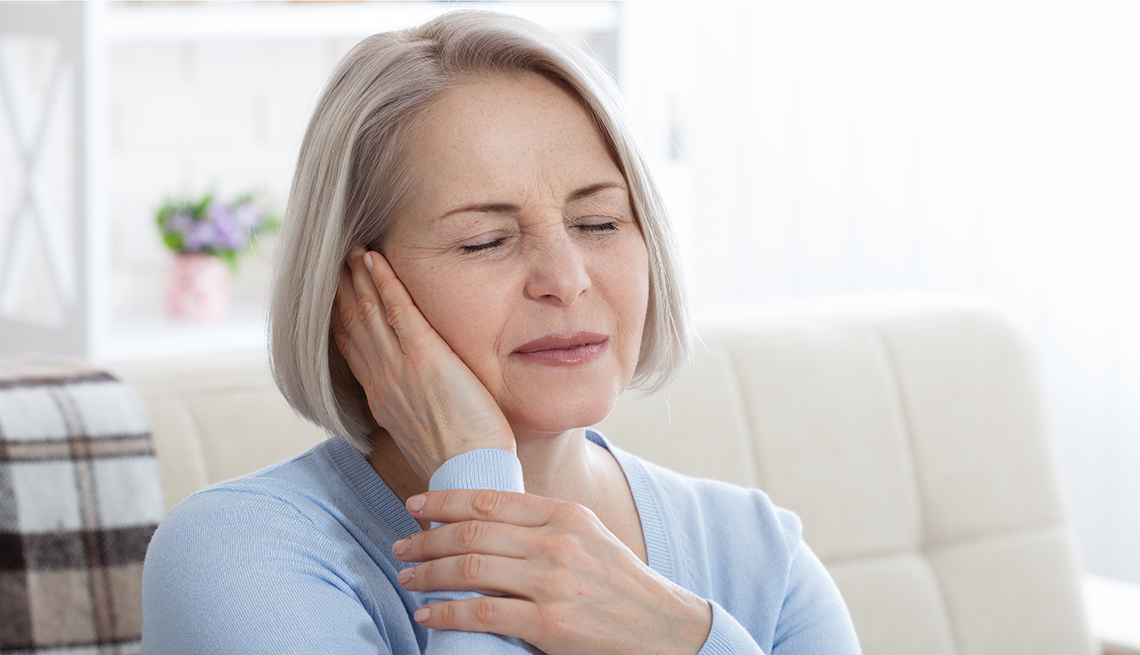
Is It Normal If Ears Feel Wet Inside After 50?
Yes, it is quite common.
The ear canal naturally produces earwax and maintains a delicate balance of moisture. Small changes in that balance can create a sensation of dampness—even when no fluid is present.
What Experts Say About Ear Moisture Sensation After 50
Mayo Clinic explains that changes in earwax, moisture levels, or mild irritation can affect how the ear feels internally.
Common Reasons Ears Feel Wet Inside After 50
Earwax Movement
Earwax naturally moves outward and may create a sensation similar to moisture.
Mild Moisture Changes
Humidity or environmental changes can affect how the ear canal feels.
Skin Sensitivity
The ear canal becomes more sensitive over time, making small changes more noticeable.
After Showering or Washing
Even small amounts of water can briefly affect sensation.
Simple Ways to Manage the Wet Feeling
If your ears feel wet inside after 50, gentle habits are best.
• Tilt your head to allow any moisture to settle
• Let the ear dry naturally
• Avoid inserting objects into the ear canal
• Allow time for the sensation to pass
Support Tools That May Help Improve Comfort
Some people find it helpful to use simple tools that support comfort and moisture balance.
• Ear drying drops designed for gentle moisture control
• Humidifiers that help regulate air conditions
• Gentle ear care solutions for sensitive ears
Why Air and Moisture Balance Matter
The ear is sensitive to its environment.
Too much moisture—or too little—can change how the ear feels.
Dry air may cause irritation, while excess humidity can increase moisture sensations.
Some people who notice this sensation also experience related changes, such as Why Do My Ears Feel Clogged After 50?, which can share similar underlying causes involving earwax and pressure balance.
Daily Habits That Help Keep Ears Comfortable
Simple habits help maintain balance.
• Let ears dry naturally after showers
• Avoid over-cleaning
• Stay hydrated
Common Mistakes to Avoid After 50
Using Cotton Swabs
This can push wax deeper and irritate the ear.
Trying to Dry the Ear Aggressively
This may disrupt the natural balance.
Over-Cleaning
Removing protective wax can increase sensitivity.
Frequently Asked Questions
Why do my ears feel wet inside after 50?
This is often caused by earwax movement or mild moisture changes.
Is there actually water in my ear?
Not always. The sensation is often mistaken for moisture.
Should I clean my ears?
It is best to avoid inserting anything into the ear canal.
When should I be concerned?
If there is discharge, pain, or persistent discomfort, it is best to seek advice.
You May Also Find Helpful
• Why Do My Ears Feel Itchy Inside After 50? Causes and Simple Ways to Relieve It
• Why Do My Ears Feel Blocked in the Morning After 50? Causes and Simple Ways to Clear Them
Final Thoughts
If your ears feel wet inside after 50, it is usually a harmless sensation linked to natural ear processes.
It may feel unusual, but in most cases, there is no cause for concern.
With simple habits and a gentle approach, the sensation often fades naturally.
Sometimes, the ear is simply doing its job—and you are noticing it more than before.
There is no problem that has no solution and no illness that has no medicine.
— Sam Ammouri
About the Author
I am Sam Ammouri, the founder of PowerAt50Plus.com—a platform built from real-life experience, resilience, and a deep commitment to helping others feel better after 50.
After facing serious health challenges, I chose to take control through consistent habits, movement, and practical strategies. That journey became the foundation of this website.
Today, I share realistic, simple approaches to help improve comfort, mobility, and confidence—without overwhelming routines.
– Sam Ammouri
Medical Disclaimer
This article is based on a combination of general research, medical sources, and real-life experience. Many of the insights shared here come from personal health challenges, ongoing learning, and conversations with healthcare professionals over time.
While these approaches have helped in real situations, every individual is different. This content is not intended to replace professional medical advice, diagnosis, or treatment.
If you are experiencing persistent, worsening, or concerning symptoms, it is always best to consult a qualified healthcare provider who understands your specific condition.
Affiliate Disclaimer
This article may contain affiliate links. If a purchase is made, it may earn a small commission at no additional cost to you. This helps support the site.