
Comfortable walking shoes after 50 start to matter more than most people expect. What used to feel easy—walking around the house, running errands, or taking a short walk—can slowly begin to feel uncomfortable without a clear reason why.
At first, it’s subtle. Your feet feel a bit more tired than usual. You notice yourself sitting down sooner. Maybe you start avoiding longer walks, not because you want to—but because something feels off.
Over time, this small discomfort builds into a pattern. And in most cases, it’s not your body failing you—it’s simply that your shoes are no longer working the way they used to.
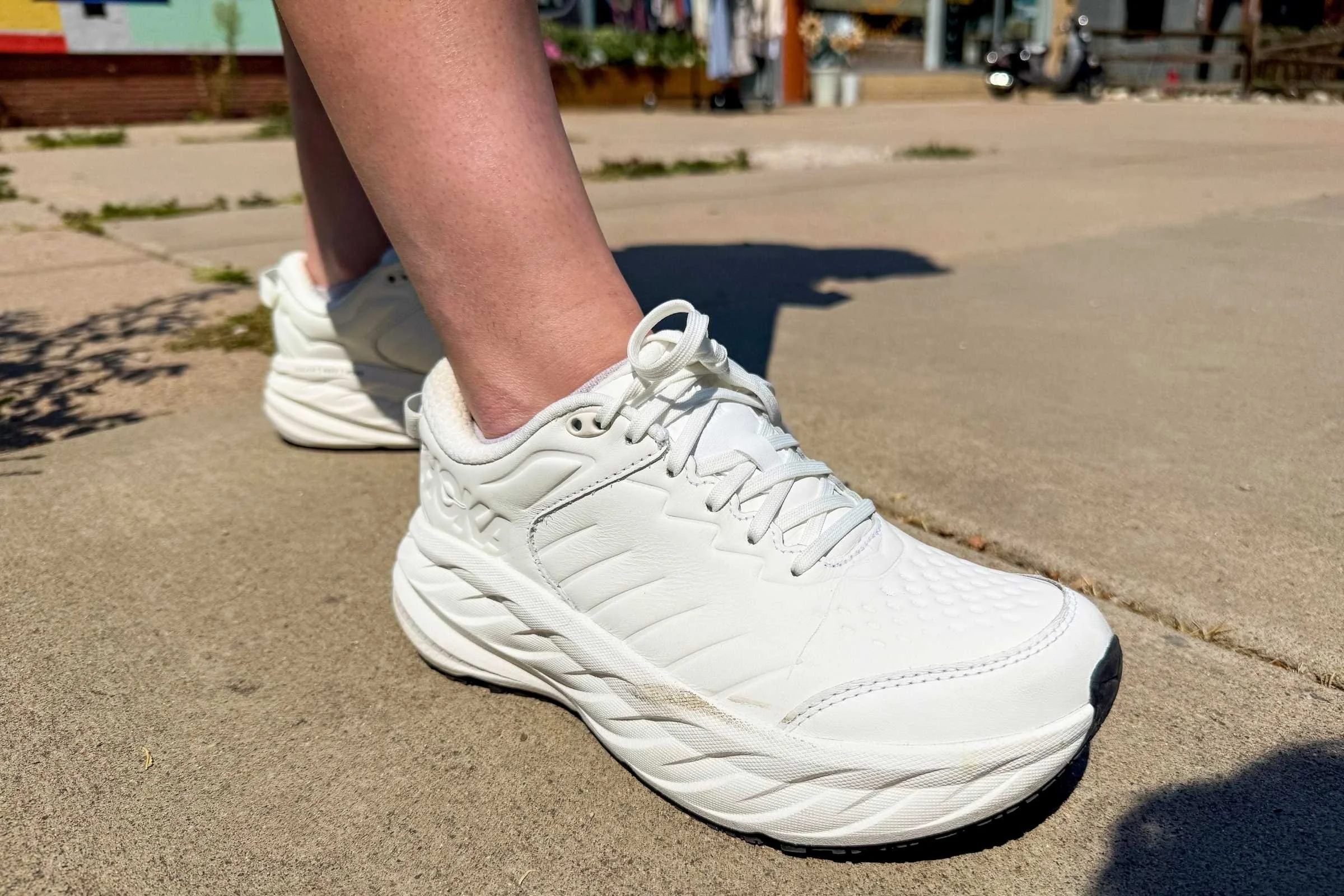
The Real Problem Most People Don’t Notice
The issue doesn’t come from one big change. It comes from repetition.
Standing For Extended Periods
Reaching, Bending, And Lifting Repeatedly
Walking On Hard Indoor And Outdoor Surfaces
These everyday habits slowly increase pressure on your feet.
Shoes that once felt perfectly fine no longer absorb impact the same way. And because the change is gradual, most people don’t immediately connect the discomfort to their footwear.
What’s Really Happening (In Simple Terms)
Instead of thinking in complicated terms, think of your feet as natural support systems.
Over time:
- The padding under your feet becomes thinner
- Your arches may not support weight as efficiently
- Your joints become slightly more sensitive to impact
Your old shoes didn’t change—but your needs did.
That’s why switching to comfortable walking shoes after 50 often makes an immediate difference. Not because they are “better,” but because they match your current needs.
What Most People Overlook When Choosing Shoes
A common mistake is focusing only on softness.
It seems logical—softer shoes should feel better.
But in reality, overly soft shoes can reduce stability and make walking feel less secure.
What actually matters is balance:
- Cushioning for comfort
- Support for alignment
- Stability for confidence
If one of these is missing, the entire walking experience feels off.
What Makes Comfortable Walking Shoes After 50 Work Better
When choosing comfortable walking shoes after 50, these are the features that truly make a difference:
Cushioning That Absorbs Impact
Not too soft, not too firm.
Balanced cushioning helps reduce pressure on:
- Feet
- Knees
- Hips
It allows your steps to feel smoother without sinking.
Proper Arch Support
This is one of the biggest upgrades people notice.
Good support helps:
- Improve alignment
- Reduce fatigue
- Make walking feel more natural
A Stable, Supportive Sole
Shoes should feel steady with every step.
This helps prevent:
- Ankle strain
- Uneven walking patterns
A Roomy Toe Box
Tight shoes create unnecessary pressure.
A little extra space allows your toes to move naturally and comfortably.
Breathable Materials
Better airflow reduces heat and irritation, especially during longer periods of walking.
Comfortable Walking Shoes After 50: What Actually Matters
| Feature | Good Choice | Poor Choice | Why It Matters |
|---|---|---|---|
| Cushioning | Balanced support | Too soft or too hard | Reduces joint stress |
| Arch Support | Structured support | Flat interior | Improves alignment |
| Stability | Firm sole | Wobbly base | Prevents imbalance |
| Toe Space | Roomy fit | Tight front | Avoids pressure |
| Weight | Lightweight support | Heavy or flimsy | Affects movement ease |
This is where most decisions go wrong—focusing on one feature instead of the full combination.
How To Choose Comfortable Walking Shoes After 50
Choosing the right pair doesn’t have to be complicated.
Try Shoes Later In The Day
Feet naturally swell slightly. Trying shoes later gives a more accurate fit.
Leave Space In The Toe Area
A small gap prevents pressure during movement.
Walk Before You Decide
Take a few steps and notice:
- Balance
- Cushioning
- Stability
If something feels off immediately, it won’t improve later.
Walking Habits That Make Your Shoes Work Better
Even the best comfortable walking shoes after 50 won’t help if your habits add unnecessary strain.
Simple adjustments include:
- Starting with slower steps
- Walking on softer surfaces when possible
- Taking short breaks instead of long continuous walks
These small changes reduce long-term pressure.
Recommended Options For Better Comfort
Exploring the right type of shoe can make the process easier.
✔ Cushioned Walking Shoes For Joint Comfort
Designed to reduce pressure during longer walks and daily movement.
✔ Arch-Support Walking Shoes
Helpful for improving alignment and reducing fatigue over time.
Recommended Options For Daily Use
✔ Lightweight Walking Shoes
Ideal for everyday errands and casual walking.
✔ Stability-Focused Walking Shoes
Provide a more secure feel for those who notice a slight imbalance.
A Helpful Internal Insight
Sometimes discomfort isn’t just about shoes—it’s about patterns. You may find this article helpful and related to your concerns.
Why Do My Feet Hurt When I First Stand Up in the Morning After 50?, which is closely linked to foot support and daily walking habits.
This connects directly to how your feet are supported throughout the day.
What Experts Emphasize About Footwear
According to the American Podiatric Medical Association (APMA). Proper footwear plays an important role in reducing stress on the feet and supporting overall movement.
This isn’t about buying expensive shoes—it’s about choosing the right ones.
Common Mistakes To Avoid
Choosing Shoes That Are Too Small
Prioritizing Style Over Comfort
Wearing Shoes Past Their Support Lifespan
Ignoring Early Discomfort
These mistakes often seem small but lead to bigger issues over time.
❓ FAQ
What are comfortable walking shoes after 50?
Shoes that combine cushioning, support, and stability for everyday movement.
How often should walking shoes be replaced?
Typically every 300–500 miles or when support starts to fade.
Can shoes affect overall movement?
Yes, poor support can increase strain on joints and reduce comfort.
Are soft shoes always better?
No, balance between softness and support is more important.
Why do my feet feel worse after walking?
Often due to lack of proper support or worn-out footwear.
Final Thoughts
Comfortable walking shoes after 50 are not about trends or brands. They are about how your body responds to movement.
When your shoes match your needs, everything feels easier. Walking becomes smoother. Standing becomes less tiring. Daily movement feels more natural again.
The goal is not to find the “perfect” shoe.
It’s to find the one that quietly supports you, step after step, without you having to think about it.
Affiliate Disclaimer
Some links in this article may be affiliate links, including links to Amazon and other partners. This means a small commission may be earned at no extra cost to you.