
If you’ve noticed feeling a little less steady than before, you’re not alone. Many people begin to wonder whether there are balance exercises that actually prevent falls after 60, especially when simple movements start to feel less stable.
At first, the changes are easy to ignore. You might feel slightly off balance when turning quickly or stepping on uneven ground. However, over time, those small moments become more noticeable. You slow down. You become more careful. You start paying attention to where you step.
This shift doesn’t mean something is wrong. Instead, it usually means your body has stopped practicing certain balance patterns that it once used every day.
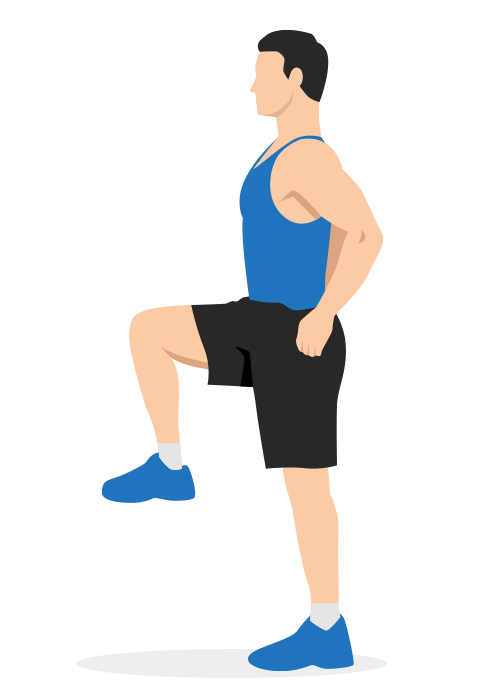
Balance Exercises That Actually Prevent Falls After 60 (What Really Matters)
In many cases, balance is misunderstood. People often think it’s just about standing still without falling.
In reality, balance is your body’s ability to adjust, react, and stay stable while moving.
For example, balance is used when:
Walking On Uneven Surfaces
Turning Quickly
Stepping Over Objects
Reaching While Standing
Because of this, improving balance requires more than just standing in place—it requires movement.
What’s Really Happening When Balance Declines
Balance is controlled by communication between your brain, muscles, and joints.
Over time, this communication becomes less sharp if it’s not used regularly.
As a result, you may notice:
- Feeling unsteady when changing direction
- Slower reaction when you lose balance
- Difficulty standing on one leg
- Hesitation when walking on uneven ground
This doesn’t mean your strength is gone. Instead, it means your body needs to reconnect with how it responds to movement.
What People Often Overlook
Many people try simple balance exercises like standing on one leg.
While that helps, it’s not enough on its own.
Why?
Because real-life balance is not static—it’s dynamic.
For example:
- You don’t stand still when walking
- You don’t stay in one position when reaching
- You don’t freeze when you lose balance
Because of this, your training should reflect movement, not stillness.
The Most Effective Balance Exercises (That Actually Work)
Once you understand what balance really is, the goal becomes training your body to react and adjust.
1. Weight Shift Practice
Shift your weight slowly from one foot to the other.
This improves awareness and control.
2. Controlled Single-Leg Balance
Stand on one foot, but focus on control rather than time.
You can lightly hold support if needed.
3. Step And Hold
Take a step forward and pause briefly before continuing.
This trains stability during movement.
4. Heel-To-Toe Walking
Walk in a straight line placing one foot directly in front of the other.
This improves coordination and control.
5. Eyes-Closed Balance (Advanced)
Stand still and close your eyes for a few seconds.
This strengthens your internal balance system.
Comparison: Static Vs Real-Life Balance Training
| Type | What Happens | Result |
|---|---|---|
| Standing Still Only | Limited challenge | Slow improvement |
| Machine-Based Balance | Controlled environment | Less real-world benefit |
| Random Practice | Inconsistent results | Limited progress |
| Movement-Based Balance Training | Matches real-life situations | Better stability and confidence |
Because of this, movement-based balance training is far more effective.
Practical Ways To Improve Balance Daily
You don’t need a full routine to improve.
Instead, build balance into everyday actions.
Simple Daily Adjustments
- Pause briefly when stepping
- Walk slower with control
- Turn your body fully instead of twisting
- Stand on one foot while holding support
Over time, these small habits improve stability naturally.
Recommended: Simple Tools That Help
To make balance training easier, a few tools can help:
- Balance pads for added challenge
- Non-slip mats for safety
- Support bars or stable chairs
These tools allow you to practice safely while improving control.
Recommended: Strength Support For Better Balance
Balance and strength work together.
To support balance improvement:
- Use resistance bands for leg strength
- Practice light squats for stability
- Include simple carry movements
These strengthen the muscles that support balance.
A Small Shift That Changes Everything
Most people think balance is something you either have or don’t have.
However, balance is a skill.
When you practice it regularly, it improves.
You may also notice how this connects with how to get up from the floor after 60, where balance, strength, and coordination all work together.
A Simple Insight Worth Knowing
The National Institute on Aging highlights that improving balance is one of the most effective ways to reduce the risk of falls.
Not because it eliminates risk—but because it improves your ability to react and recover.
❓ FAQ
What Is The Best Balance Exercise After 60?
Movement-based exercises like step-and-hold and controlled walking are most effective.
How Often Should I Practice?
A few times per week is enough when done consistently.
Is It Safe To Practice Alone?
Yes, as long as you have support nearby.
How Long Before Balance Improves?
Many people notice improvement within a few weeks.
Can Balance Be Fully Restored?
It can improve significantly with regular practice.
Final Thoughts
Balance doesn’t disappear suddenly—it fades quietly over time when it’s not used.
However, that also means it can come back.
By practicing simple, controlled movements, your body begins to reconnect with how it reacts and stabilizes itself.
Over time, you feel steadier. You move with more confidence. You trust your steps again.
And in the end, that confidence is what truly reduces the risk of falling—not just strength, but control.
“Balance isn’t something you keep—it’s something you practice and rebuild over time.”
— Sam Ammouri
Some links in this article may be affiliate links, including links to Amazon and other partners. This means a small commission may be earned at no extra cost to you.