
It can feel strange. The room is warm. Everyone else seems comfortable. Yet your fingers still feel cold—sometimes cold enough to be distracting or uncomfortable.
You may notice it while relaxing at home, watching television, or even holding a warm drink. When it happens repeatedly, it’s natural to wonder why your fingers feel cold even when it’s warm after 50.
In many cases, the answer comes down to circulation and how efficiently blood reaches the hands and fingertips. The good news is that simple lifestyle habits and circulation-friendly practices may help improve comfort and reduce cold sensations over time.
Why Do My Fingers Feel Cold Even When It’s Warm After 50?
👉 Fingers feel cold even when it’s warm after 50, mainly because of changes in circulation and how blood flows to the hands.
Your blood carries heat throughout your body. When circulation slows slightly, your fingers are often the first place to feel colder.
Because of this:
- Fingertips may feel cold
- Hands may take longer to warm up
- Temperature sensitivity increases
At the same time, this may connect with other circulation-related symptoms. For example, many people also experience Fingers Feel Stiff When Gripping Things After 50, which can also be linked to reduced blood flow and flexibility.
What Causes Cold Fingers After 50?
Let’s keep this simple.
1. Circulation Slows Slightly
As the body ages, blood flow to the hands may become less efficient.
Because of this:
- Fingers receive less warmth
- Cold sensations become more noticeable
2. Blood Vessels React More Strongly
Small blood vessels in the fingers may become more sensitive.
As a result:
- They narrow more easily
- Less warm blood reaches the fingers
3. Nerve Sensitivity Changes
Nerves that detect temperature can become more sensitive.
Because of this:
- Fingers may feel colder than they actually are
- Sensations may feel stronger
A Simple Way to Look at It
👉 Your fingers aren’t actually “losing heat”—they’re just receiving less warm blood than before.
Simple Ways to Improve Circulation in Your Fingers
You don’t need anything complicated—just small daily habits.
1. Keep Your Hands Moving
Movement improves circulation quickly.
For example:
- Open and close your hands
- Stretch your fingers
- Massage your hands
2. Warm Your Hands Regularly
Gentle warmth helps blood flow.
For example:
- Warm water
- Light gloves outdoors
- Rubbing your hands together
3. Stay Active Throughout the Day
Full-body movement improves overall circulation.
For example:
- Walking
- Light exercise
- Stretching
Because of this, your hands receive better blood flow.
4. Support Circulation Comfort
Some people find simple tools helpful.
Some people find these helpful:
– Hand-warming gloves for daily comfort
– Reusable hand warmers
– Therapy balls to improve circulation and movement
Also, click here to see more products and supplements that can relieve your condition
What Experts Say About Cold Fingers
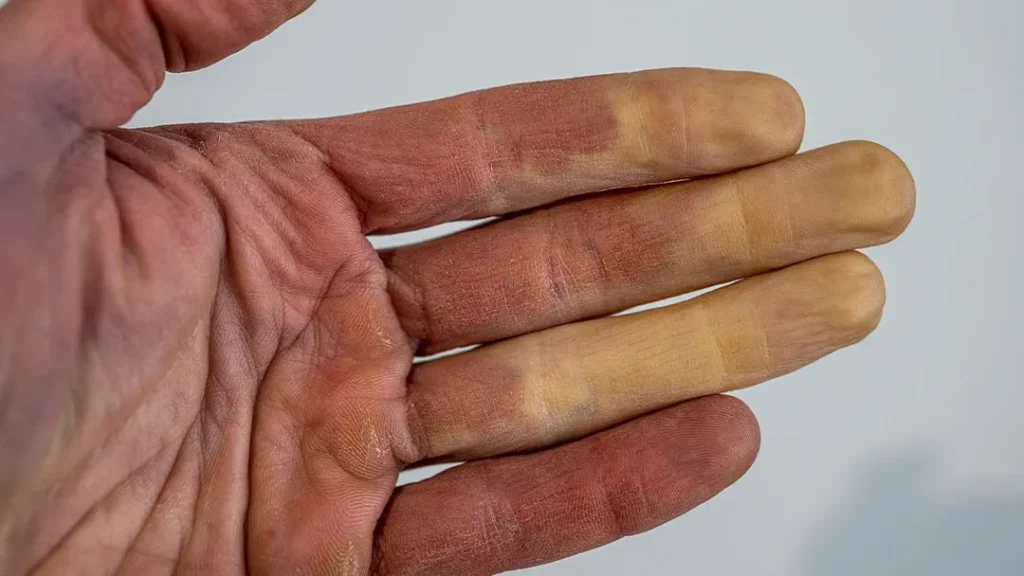
According to the Mayo Clinic, conditions like Raynaud’s phenomenon can cause fingers to feel cold or numb due to temporary changes in blood flow.
Why This Matters More Than You Think
Cold fingers may seem minor. However, they can affect:
- Comfort
- Hand function
- Daily activities
Because of this, improving circulation can make a noticeable difference.
Common Mistakes to Avoid
- Staying inactive for long periods
- Ignoring early circulation signs
- Exposing hands to cold without protection
- Smoking, which affects blood flow
FAQ
Is it normal for fingers to feel cold after 50?
Yes, it’s common due to circulation changes.
Can circulation cause cold fingers?
Yes, reduced blood flow is a main reason.
Can movement help?
Yes, it improves circulation quickly.
When should I see a doctor?
If symptoms are frequent, painful, or involve color changes.
You May Also Find Helpful
-
Why Do My Fingers Feel Stiff When Gripping Things After 50? Causes and Simple Ways to Loosen Them
-
Why Do My Fingers Go Numb While Sleeping After 50? Causes and Simple Ways to Prevent It
-
Why Do My Hands Feel Weak When Gripping Things After 50? Causes and Simple Ways to Improve Strength
Final Thoughts
If your fingers feel cold even when it’s warm after 50, it doesn’t mean something is wrong.
In most cases, it’s simply how your body is adjusting circulation.
With a few simple habits, warmth and comfort can improve more than you might expect.
“There is no problem that has no solution and no illness that has no medicine.”
— Sam Ammouri
Medical Disclaimer
This content is for informational purposes only and is not intended as medical advice. Always consult a healthcare professional if needed.
Affiliate Disclosure
Some pages on PowerAt50Plus may contain affiliate links, including links from the Amazon Associates Program and other trusted partner programs.
This means that if you click on certain links and make a purchase, I may earn a small commission at no extra cost to you.
These commissions help support the website and allow me to continue creating practical content focused on healthy living, smarter saving, and everyday life after 50.
I only recommend products, services, or resources that I believe may provide real value to readers.
Thank you for supporting PowerAt50Plus.