
How to choose your bedpan for home care?
A bedpan is not something most people expect to need, but it can become an important part of home care after surgery, injury, illness, or reduced mobility. When getting out of bed is difficult or unsafe, the right bedpan can help maintain comfort, dignity, and hygiene.
Choosing a bedpan for home care may seem straightforward, but there are significant differences between available options. Size, shape, comfort, weight capacity, and ease of cleaning can all affect the experience for both the person using it and the caregiver providing assistance.
Whether the need is temporary during recovery or part of a longer-term care plan, understanding the features that matter most can help you select a bedpan that is safer, more comfortable, and easier to manage at home.
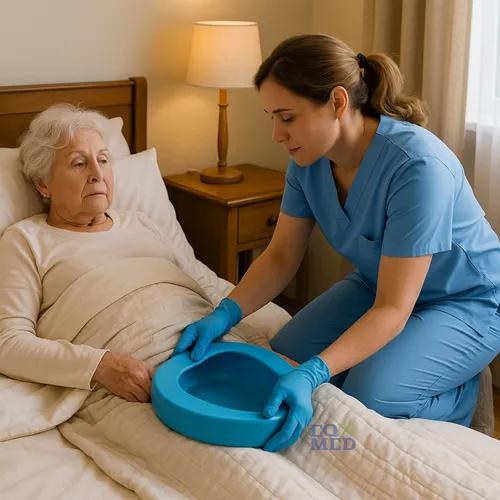
What Is a Bedpan for Home Care?
A bedpan is a portable toileting device designed for individuals who cannot easily get out of bed to use a bathroom.
Bedpans are commonly used by people who are:
- Recovering from surgery
- Living with limited mobility
- Recovering from injuries
- Managing certain medical conditions
- Receiving short-term or long-term home care
Most bedpans are designed to fit comfortably beneath the user while lying in bed, allowing them to relieve themselves without needing to stand or walk.
Why Choosing the Right Bedpan Matters
Not all bedpans are created equally.
A poorly designed bedpan can cause discomfort, increase the risk of spills, and make caregiving more difficult.
The right bedpan can help provide:
- Greater comfort
- Better hygiene
- Easier positioning
- Less stress for caregivers
- Improved dignity during personal care
For someone already dealing with health challenges, even small improvements in comfort can make a significant difference.
Features That Matter Most When Choosing a Bedpan for Home Care
Comfort and Shape
Comfort should be one of the first considerations.
Some bedpans have smoother edges and more ergonomic shapes that help reduce pressure during use.
Individuals who spend long periods in bed may benefit from designs specifically created for extended comfort.
Size and Weight Capacity
Bedpans come in different sizes and capacities.
Choosing a model that adequately supports the user’s weight and body size can improve comfort and reduce the risk of accidents.
Always review manufacturer specifications before purchasing.
Material and Durability
Most bedpans are made from durable plastic or composite materials.
Look for products that are:
- Crack resistant
- Easy to clean
- Durable enough for repeated use
A sturdy design often lasts longer and provides greater peace of mind.
Spill Prevention Features
Some bedpans include raised edges or specially designed contours that help reduce spills during movement.
These features can be especially valuable when assisting someone with limited mobility.
Ease of Cleaning
Easy cleaning is essential for maintaining hygiene.
Smooth surfaces and simple designs are often easier to disinfect thoroughly after each use.
Standard Bedpan vs Fracture Bedpan
The table below compares the two most common options.
| Feature | Standard Bedpan | Fracture Bedpan |
|---|---|---|
| Height | Higher profile | Lower profile |
| Best For | General use | Limited mobility |
| Positioning | Moderate ease | Easier positioning |
| Recovery Use | General recovery | Hip surgery and injuries |
| Comfort for Restricted Movement | Moderate | Often better |
Who May Benefit From a Fracture Bedpan?
A fracture bedpan has a lower profile than a standard bedpan, making it easier to position beneath someone with limited movement.
It may be helpful for individuals who are:
- Recovering from hip surgery
- Recovering from fractures
- Living with severe arthritis
- Unable to raise their hips comfortably
- Experiencing significant mobility limitations
Because they require less movement during placement, fracture bedpans are often preferred in recovery situations.
Cleaning and Hygiene Considerations
Proper cleaning helps reduce odors, bacteria, and infection risks.
Helpful practices include:
- Emptying the bedpan promptly after use
- Washing with warm water and appropriate cleaning products
- Following manufacturer cleaning instructions
- Allowing the bedpan to dry completely
- Replacing damaged or cracked bedpans
Maintaining good hygiene protects both the user and the caregiver.
Helpful Products That Support Home Care
Bedpans
Different styles are designed for different needs. Choosing the correct type can improve comfort and simplify caregiving.
⇒ See your choice of bedpans for home care here at Amazon
Waterproof Mattress Protectors
A quality mattress protector can help safeguard bedding and reduce cleanup concerns.
⇒ See your choice of waterproof mattress protectors here
Bedside Commodes
Some individuals may eventually progress from bedpan use to a bedside commode as mobility improves.
⇒ See your choice of bedside commodes here
You may also find these related articles helpful:
Daily Living Aids That Help Maintain Independence
Standing Aids for Seniors: Making It Easier to Get Up From the Couch
The National Institute on Aging emphasizes the importance of maintaining a safe home environment and using appropriate assistive devices to support independence and recovery. Choosing the right caregiving equipment can help reduce stress and improve daily comfort.
Frequently Asked Questions
What is the best bedpan for home care?
The best bedpan for home care depends on the user’s mobility, comfort needs, and physical condition. Many people with limited movement find fracture bedpans easier to use.
What is the difference between a standard and fracture bedpan?
A fracture bedpan has a lower profile and is designed for people who have difficulty lifting their hips or changing positions in bed.
How do I choose a bedpan for home care?
Consider comfort, size, durability, ease of cleaning, and whether a standard or fracture design is better suited to the user’s mobility level.
Can a bedpan be used after surgery?
Yes. Bedpans are commonly used during recovery from surgeries that limit walking, standing, or movement.
How often should a bedpan be cleaned?
A bedpan should be cleaned thoroughly after every use according to the manufacturer’s instructions.
Final Thoughts
Choosing a bedpan for home care involves more than simply selecting the first option available. Comfort, hygiene, durability, and ease of use all play important roles in supporting both the user and the caregiver.
By focusing on the features that matter most, you can find a solution that improves daily comfort, reduces caregiving challenges, and supports recovery or long-term home care needs.
Affiliate Disclosure: Some links in this article may be affiliate links. As an Amazon Associate, PowerAt50Plus earns from qualifying purchases at no extra cost to you.
Sam Ammouri
Founder, PowerAt50Plus.com