
Best non-slip cutting boards for seniors can make food preparation safer, easier, and more comfortable. A cutting board that slides across the countertop creates unnecessary risk, especially for older adults dealing with arthritis, reduced grip strength, hand tremors, or balance concerns.
Kitchen accidents often happen during routine tasks. Holding vegetables steady while trying to cut them, preventing a board from moving, and maintaining control of a knife all require coordination and strength. When those abilities become more challenging, the right cutting board can make a noticeable difference.
Many seniors focus on choosing sharp knives but overlook the importance of a stable cutting surface. A non-slip cutting board helps keep food preparation safer while supporting greater confidence and independence in the kitchen.
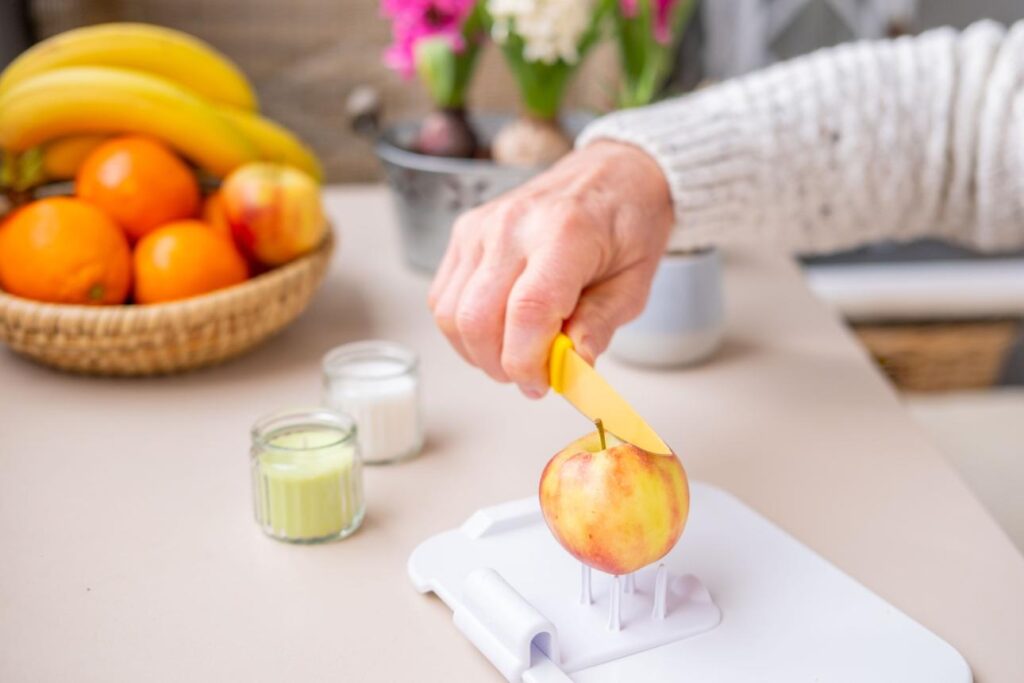
Why Cutting Board Stability Matters After 50
A cutting board should stay firmly in place during use.
When a board slides unexpectedly, several problems can occur:
- Loss of knife control
- Increased risk of cuts
- Difficulty cutting tougher foods
- Additional strain on hands and wrists
- Reduced confidence during meal preparation
A stable cutting surface is one of the simplest kitchen safety improvements a person can make.
For seniors living independently, small safety upgrades often prevent larger problems later.
Common Kitchen Challenges for Older Adults
Many adults over 50 experience changes that can affect food preparation.
These may include:
- Arthritis pain
- Hand weakness
- Reduced grip strength
- Hand tremors
- Joint stiffness
- Limited mobility
Simple tasks such as slicing vegetables, cutting meat, or preparing fruit may require more effort than before.
A non-slip cutting board helps compensate for some of these challenges by reducing movement and improving control.
What Makes a Good Non-Slip Cutting Board?
Not all cutting boards offer the same level of stability.
Several features can improve safety and ease of use.
Rubberized Edges
Rubber grips help prevent movement on smooth countertops.
Many quality cutting boards include non-slip feet or rubber corners that hold the board securely in place.
Large Cutting Surface
A larger cutting area provides more room to work and reduces the need to reposition food frequently.
Easy-to-Clean Materials
Look for cutting boards that are dishwasher safe or simple to clean by hand.
Durable Construction
A cutting board should withstand daily use without warping or cracking.
Food Retention Features
Some boards include raised edges or food stops that help keep food from moving during cutting.
Types of Non-Slip Cutting Boards for Seniors
Different cutting board designs address different needs.
Rubber-Grip Cutting Boards
These boards use rubber feet or edges to prevent sliding.
Benefits include:
- Excellent stability
- Affordable pricing
- Easy maintenance
- Suitable for most kitchens
Best For: Everyday food preparation
⇒ See your choice of non-slip cutting boards here at Amazon
Corner-Grip Cutting Boards
Corner grips provide additional stability by securing the board at multiple points.
Benefits include:
- Improved countertop grip
- Greater cutting control
- Reduced movement
Best For: Seniors with arthritis or reduced hand strength
⇒ See your choice of corner-grip cutting boards here
Cutting Boards With Food Stops
Food stop boards include a raised corner or edge that helps hold food in place.
Benefits include:
- Easier one-handed use
- Improved safety
- Better food control
Best For: Weak grip strength or limited mobility
⇒ See your choice of cutting boards with food stops here
Extra-Large Non-Slip Cutting Boards
Larger boards provide more preparation space and reduce clutter.
Benefits include:
- More room for ingredients
- Easier meal preparation
- Better organization
Best For: Frequent home cooking
⇒ See your choice of large non-slip cutting boards here
Adaptive Cutting Boards
Adaptive cutting boards often include spikes, food holders, or specialized supports.
Benefits include:
- Greater independence
- Easier one-handed food preparation
- Improved stability
Best For: Seniors with significant mobility limitations
⇒ See your choice of adaptive cutting boards here
Comparison Table
| Cutting Board Type | Best For | Main Benefit |
|---|---|---|
| Rubber-Grip Board | General Use | Prevents sliding |
| Corner-Grip Board | Arthritis | Better stability |
| Food Stop Board | Weak Grip | Improved control |
| Large Prep Board | Frequent Cooking | More workspace |
| Adaptive Board | Limited Mobility | Increased independence |
How to Choose the Right Non-Slip Cutting Board
The best cutting board depends on your individual needs.
Consider the following:
Grip Strength
If arthritis makes gripping difficult, choose a board with strong non-slip features and food retention options.
Kitchen Space
Larger boards work well for meal preparation but require additional storage space.
Cleaning Requirements
Many seniors prefer cutting boards that are dishwasher safe for easier maintenance.
Cooking Habits
Think about how often you cook and the types of foods you prepare most frequently.
The safest cutting board is the one that feels stable, comfortable, and easy to use every day.
Additional Kitchen Safety Tips
A non-slip cutting board works best when combined with other kitchen safety measures.
Helpful additions may include:
- Easy-grip kitchen knives
- Adaptive utensils
- Non-slip floor mats
- Good countertop lighting
- Stable seating when needed
You may also find our guide on Adaptive Utensils for Seniors With Arthritis and Hand Tremors helpful for improving comfort during meals.
Best Adaptive Utensils for Seniors With Arthritis and Hand Tremors
For additional home safety ideas, read Home Modifications That Support Independent Living After 50.
Benefits Beyond Safety
The advantages of a quality non-slip cutting board extend beyond preventing accidents.
Many seniors report improvements in:
- Confidence while cooking
- Independence
- Comfort during meal preparation
- Reduced hand strain
- Better overall kitchen experience
Small kitchen improvements often make daily life easier and more enjoyable.
Frequently Asked Questions
What is the safest cutting board for seniors?
A cutting board with non-slip feet, rubber grips, and a stable surface is often the safest option for most seniors.
Do non-slip cutting boards really work?
Yes. Quality non-slip cutting boards help reduce movement during food preparation, improving stability and control.
Are adaptive cutting boards worth buying?
Adaptive cutting boards can be very helpful for seniors with arthritis, hand weakness, or limited mobility because they provide additional support features.
What size cutting board is best for seniors?
A medium to large board generally provides enough workspace without becoming difficult to handle or store.
Can a cutting board help reduce kitchen accidents?
Yes. A stable cutting board reduces unwanted movement and may lower the risk of slips and cuts during food preparation.
Final Thoughts
Best non-slip cutting boards for seniors offer a simple way to improve kitchen safety and make meal preparation more comfortable. Features such as rubber grips, food stops, larger work surfaces, and adaptive designs can help reduce frustration while supporting independence.
For many older adults, safer food preparation starts with a stable surface. Choosing the right cutting board can make cooking more enjoyable and help create a safer kitchen environment for years to come.
Affiliate Disclosure: Some links in this article may be affiliate links. As an Amazon Associate, PowerAt50Plus earns from qualifying purchases at no extra cost to you.
Sam Ammouri
Founder, PowerAt50Plus.com