
When you find yourself turning the TV volume higher than everyone else prefers or struggling to follow conversations in a busy room, it is natural to look for a simple and affordable solution.
As someone who has faced major health challenges, I understand how frustrating it can be when changes in your body begin affecting everyday activities. Staying connected with family, friends, and daily life matters, and hearing difficulties can make that more challenging.
Personal sound amplifiers for seniors are often marketed as a low-cost way to make sounds easier to hear. They are widely available, easy to purchase, and do not require a prescription. However, it is important to understand what these devices can and cannot do before deciding whether they are the right option for your needs.
This guide explains how personal sound amplifiers work, where they may be helpful, how they differ from hearing aids, and the limitations you should be aware of before making a purchase.
The Harsh Reality: Amplification vs. Correction
- Hearing Aids are FDA-regulated medical devices. Your ears do not lose hearing equally; you might lose high frequencies (like a grandchild’s voice) while keeping low frequencies perfectly intact. A hearing aid is custom-programmed by an audiologist to amplify only the specific frequencies your ears are missing.
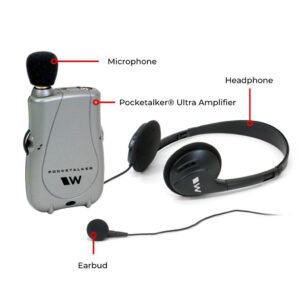
- Personal Sound Amplifiers (PSAPs) are consumer electronics. Think of them like a volume knob for the entire world. They take every single sound around you—the voice in front of you, the roar of the refrigerator, the passing traffic outside, and the scraping of chairs—and blast it into your ear canal all at once.
Top Personal Sound Amplifiers for Daily Use
1. Banglijian Zircon (Behind-the-Ear)
📊 Technical Specifications
- Weight Capacity/Mass: 0.21 ounces (Ultra-lightweight frame)
- Dimensions/Size: 1.4 x 0.4 x 0.3 inches
- Key Metric: 50 decibels (dB) maximum sound gain with 4 channels of basic digital acoustic programming.
🏆 Best For
- Ideal User: Active seniors who want a discreet, feather-light option for neighborhood walks or small group discussions.
🛒 Where to Buy
👉 Check Price for the Banglijian Zircon Hearing Amplifier on Amazon.
Can’t find it in stock?
[Browse the full Behind-the-Ear Sound Amplifiers section on Amazon]
2. Coniler PR-430 (Rechargeable In-the-Ear)
📊 Technical Specifications
- Weight Capacity/Mass: 0.15 ounces per earbud
- Dimensions/Size: 0.8 x 0.6 x 0.5 inches
- Key Metric: 30-hour continuous battery life on a single magnetic charging cradle dock.
🏆 Best For
- Ideal User: Seniors with mild arthritis or vision changes who need a drop-in charging system without tiny battery doors.
🛒 Where to Buy
👉 [Check Price for the Coniler PR-430 Rechargeable Amplifier on Amazon]
Can’t find it in stock?
[Browse the full In-the-Ear Sound Amplifiers section on Amazon]
3. Neosonic TV-Listener (Headphone-Style)
📊 Technical Specifications
- Weight Capacity/Mass: 1.8 ounces (Under-chin headset style)
- Dimensions/Size: 8.5 x 5.5 x 0.8 inches
- Key Metric: 120 decibels (dB) maximum output capacity with a 100-foot wireless transmitter range line-of-sight.
🏆 Best For
- Ideal User: Seniors who only struggle to hear the television and want a dedicated, powerful home-listening system.
🛒 Where to Buy
Comparison of Main Amplifier Styles
| Device Style | Primary Physical Benefit | Maximum Battery Life | Best Environment |
|---|---|---|---|
| Behind-the-Ear (BTE) | Reduces weight on ear canal | 20 – 40 Hours | One-on-one quiet chats |
| In-the-Ear (ITE) | Won’t interfere with eyeglasses | 15 – 30 Hours | Quick trips to the store |
| Headphone/Under-Chin | Easiest physical volume dials | 10 – 15 Hours | Dedicated television viewing |
Critical Shopping Metrics: What to Look For
Acoustic Peak Gain: Look for a device that offers between 30dB and 50dB of gain. Anything higher can cause sudden acoustic trauma if someone drops a plate or claps near you.
Battery Chemistry: Only buy Lithium-Ion rechargeable models. Zinc-air button batteries (Size 10 or 312) require sharp eyesight and steady fingers to change every 3 to 5 days.
Dynamic Background Noise Suppression: Budget chips cannot separate speech from background noise. Look for models that explicitly state they feature “Layered Noise Reduction” to help dampen wind and appliance hums.
Common Pitfalls That Can Damage Your Hearing
The “Turn It to Max” Mistake:
If you cannot hear a conversation clearly with the volume dial at the midway point, the issue is likely a frequency gap, not a volume gap. Turning a cheap amplifier to maximum will only distort the audio and introduce piercing, high-pitched static feedback.
Wearing Them in Crowded Restaurants:
Blasting unfiltered noise in a loud room creates an acoustic wall of sound. It will make background clamor unbearable and actually cause exhaustion or headaches within an hour.
Ignoring Ear Comfort:
If a device scratches or puts pressure on your ear canal, do not push through the pain. Older skin is thinner and breaks down quickly, creating an easy pathway for painful outer ear infections.
Frequently Asked Questions
- Can I wear a personal sound amplifier while driving?
No. These devices amplify all sounds evenly, meaning a sudden loud truck horn or emergency siren could be magnified to dangerous decibel levels right against your eardrum. - How long do rechargeable amplifiers last before the internal battery dies permanently?
Most quality lithium-ion medical consumer electronics will hold a strong charge for 2 to 3 years of daily use before the battery capacity begins to degrade significantly. - Will an amplifier stop the ringing in my ears (tinnitus)?
No. True medical hearing aids relieve tinnitus by being finely tuned to ambient white noise frequencies. Consumer amplifiers simply make the room louder, which rarely masks internal neurological ringing.
Final Thoughts
🛠️ Strategic Internal Linking Suggestions
- If your hearing changes are causing you to miss important household alerts, read our comprehensive guide on [Best Alarm Clocks for Seniors With Hearing Loss]
- For more ways to stay safely connected to your family at home, check out our review of [Amplified Phones for Seniors With Hearing Loss].
Affiliate Disclosure
Some pages on PowerAt50Plus may contain affiliate links, including links from the Amazon Associates Program and other trusted partner programs.
This means that if you click on certain links and make a purchase, I may earn a small commission at no extra cost to you.
Sam Ammouri