
Large-piece puzzles for seniors are a popular way to enjoy a relaxing hobby while keeping the mind active. Many older adults find that traditional puzzle pieces become harder to see or handle over time, making larger pieces a more comfortable option.
Whether used for entertainment, relaxation, or mental engagement, large-piece puzzles for seniors can provide hours of enjoyable activity without the frustration often associated with smaller puzzles.
Large-piece puzzles provide the same sense of accomplishment and entertainment as traditional puzzles while making the pieces easier to handle. They can offer a relaxing hobby, encourage focus, and provide an enjoyable activity that can be done alone or with family and friends.
Whether you are new to puzzles or returning to a favorite pastime, understanding the benefits and features of large-piece puzzles can help you choose options that match your interests and abilities.
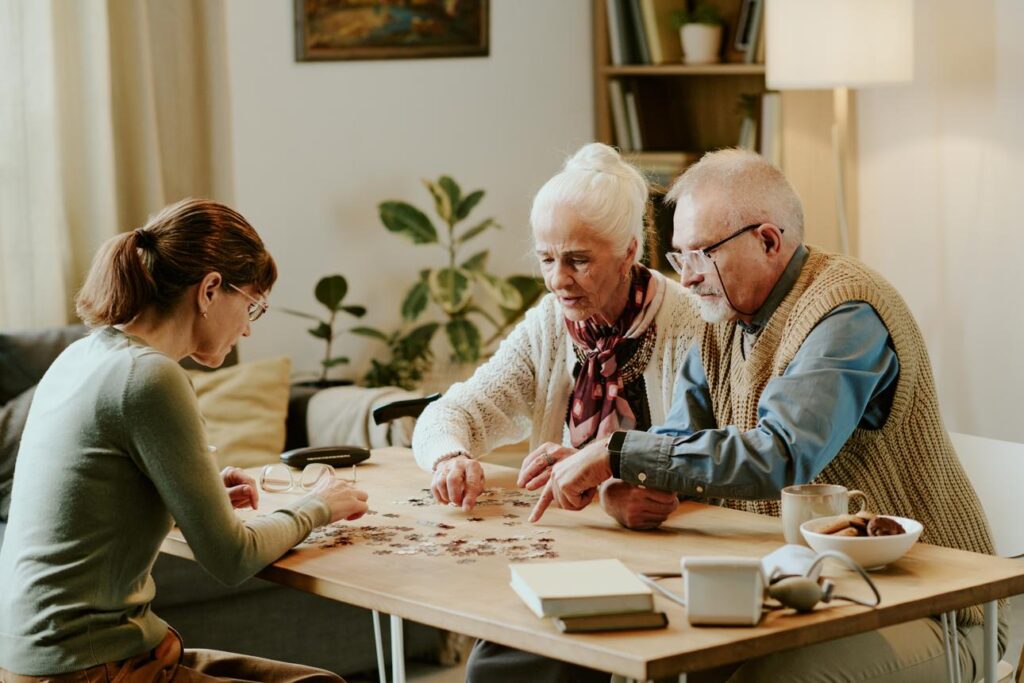
Why Hobbies Matter After 50
Staying engaged in enjoyable activities remains important throughout life.
Many hobbies provide opportunities for:
- Relaxation
- Mental stimulation
- Creativity
- Social interaction
- Personal satisfaction
Puzzles are especially popular because they combine entertainment with problem-solving and can be enjoyed at almost any pace.
Unlike many activities, puzzles can be completed over several days or weeks, making them ideal for leisurely enjoyment.
Why Large-Piece Puzzles for Seniors Are Becoming More Popular
Traditional puzzle pieces can sometimes be frustrating for older adults.
Large-piece puzzles may help by offering:
- Easier handling
- Better visibility
- Reduced eye strain
- Less frustration
- Greater comfort during longer puzzle sessions
Many seniors find that larger pieces allow them to enjoy puzzles without the challenges often associated with smaller pieces.
Who May Benefit Most From Large-Piece Puzzles?
Large-piece puzzles may be particularly helpful for:
- Seniors with vision changes
- Individuals with arthritis
- People with reduced hand strength
- Puzzle enthusiasts returning to the hobby
- Older adults looking for a relaxing activity
The larger size often makes pieces easier to pick up, sort, and place.
Benefits of Working on Puzzles
Many people enjoy puzzles simply because they are fun.
Additional benefits may include:
Encouraging Concentration
Puzzles often require attention to detail and focus.
Providing Relaxation
Many individuals find puzzle-building calming and enjoyable.
Supporting Social Interaction
Puzzles can become a shared activity with spouses, friends, children, or grandchildren.
Creating a Sense of Achievement
Completing a puzzle often provides satisfaction and a clear sense of accomplishment.
Offering Screen-Free Entertainment
Puzzles provide an alternative to television, phones, and computers.
Types of Large-Piece Puzzles for Seniors
There are several styles available.
Traditional Large-Piece Jigsaw Puzzles
These resemble standard puzzles but use larger pieces.
Benefits may include:
- Familiar gameplay
- Wide variety of images
- Easier handling
⇒ See your choice of large-piece jigsaw puzzles here at Amazon
Extra-Large Piece Puzzles
Some puzzles use pieces that are significantly larger than standard designs.
These may be ideal for individuals with:
- Vision difficulties
- Limited dexterity
- Arthritis-related hand discomfort
⇒ See your choice of extra-large piece puzzles here
Scenic and Nature Puzzles
Many seniors enjoy themes such as:
- Landscapes
- Wildlife
- Gardens
- Beaches
- National parks
⇒ See your choice of scenic puzzles here
Nostalgic and Memory-Themed Puzzles
Images featuring classic cars, historic scenes, vintage advertisements, and familiar locations are often popular.
⇒ See your choice of nostalgic puzzles here
Features to Look for in Large-Piece Puzzles for Seniors
Not all puzzles are designed the same way.
Several features deserve attention.
Piece Size
Larger pieces generally improve handling and visibility.
Puzzle Piece Thickness
Thicker pieces are often easier to grasp.
Image Clarity
Clear, colorful images can make puzzle assembly easier and more enjoyable.
Piece Count
The appropriate difficulty level varies from person to person.
Finished Puzzle Size
Larger finished puzzles may require more table space.
Choosing the Right Difficulty Level
One common mistake is selecting puzzles that are either too easy or too difficult.
Beginners
100 to 300 pieces may provide an enjoyable starting point.
Intermediate Puzzle Fans
300 to 500 pieces often offer a balanced challenge.
Experienced Puzzle Enthusiasts
500-piece large-piece puzzles may still provide substantial enjoyment.
The goal is to create a rewarding experience rather than a frustrating one.
Large-Piece Puzzle Comparison
| Type | Main Benefit | Best For |
|---|---|---|
| Large-Piece Jigsaw | Easier Handling | Most seniors |
| Extra-Large Piece Puzzle | Maximum Visibility | Vision challenges |
| Scenic Puzzle | Relaxing Images | Nature lovers |
| Nostalgic Puzzle | Familiar Themes | Memory-inspired enjoyment |
Tips for a Better Puzzle Experience
Use Good Lighting
Proper lighting improves visibility and reduces eye strain.
Sort Pieces First
Grouping edge pieces and similar colors can simplify assembly.
Work on a Stable Surface
A dedicated puzzle table or flat surface often improves comfort.
Take Breaks
Long sessions may lead to eye fatigue or hand discomfort.
Puzzle With Family
Working together can make the activity even more enjoyable.
Common Mistakes to Avoid
When shopping for large-piece puzzles for seniors, avoid:
- Choosing overly complex images
- Ignoring piece size
- Selecting puzzles that require more space than available
- Focusing only on piece count
- Purchasing puzzles with poor image quality
The best puzzle is often the one that matches the user’s interests and comfort level.
Frequently Asked Questions
Are large-piece puzzles easier than regular puzzles?
They are often easier to handle and see, but the overall challenge still depends on the image and piece count.
Do large-piece puzzles help with arthritis?
Many people with arthritis find larger pieces more comfortable to manipulate.
What piece count is best for seniors?
The ideal piece count depends on experience, vision, dexterity, and personal preference.
Are puzzles a good group activity?
Yes. Many families enjoy working on puzzles together.
Can large-piece puzzles still be challenging?
Absolutely. Larger pieces improve accessibility without eliminating the puzzle-solving experience.
You may also find our article on Digital Photo Frames for Staying Connected With Family After 50 helpful.
Digital Photo Frames for Staying Connected With Family After 50
Final Thoughts
Large-piece puzzles for seniors offer an enjoyable combination of relaxation, entertainment, and mental engagement. With easier-to-handle pieces, clear images, and a wide range of themes, they can provide hours of satisfying activity without many of the frustrations associated with smaller puzzles.
For older adults looking for a rewarding hobby, large-piece puzzles remain one of the simplest and most enjoyable ways to stay active, engaged, and entertained.
Affiliate Disclosure:
Some links in this article may be affiliate links. As an Amazon Associate and other partners, PowerAt50Plus earns from qualifying purchases at no extra cost to you.
Sam Ammouri