
You answer the phone and immediately find yourself asking the caller to repeat what they said. Maybe the volume seems too low, certain words sound unclear, or conversations feel more tiring than they used to.
If this sounds familiar, you’re not alone. Hearing changes can make phone conversations especially frustrating because you don’t have the visual cues that help during face-to-face discussions.
That’s why many families begin looking for amplified phones for seniors with hearing loss. These phones are designed to increase call volume, improve speech clarity, and make everyday communication easier and more comfortable.
Choosing the right amplified phone can help seniors stay connected with family, friends, healthcare providers, and emergency contacts while maintaining greater independence.
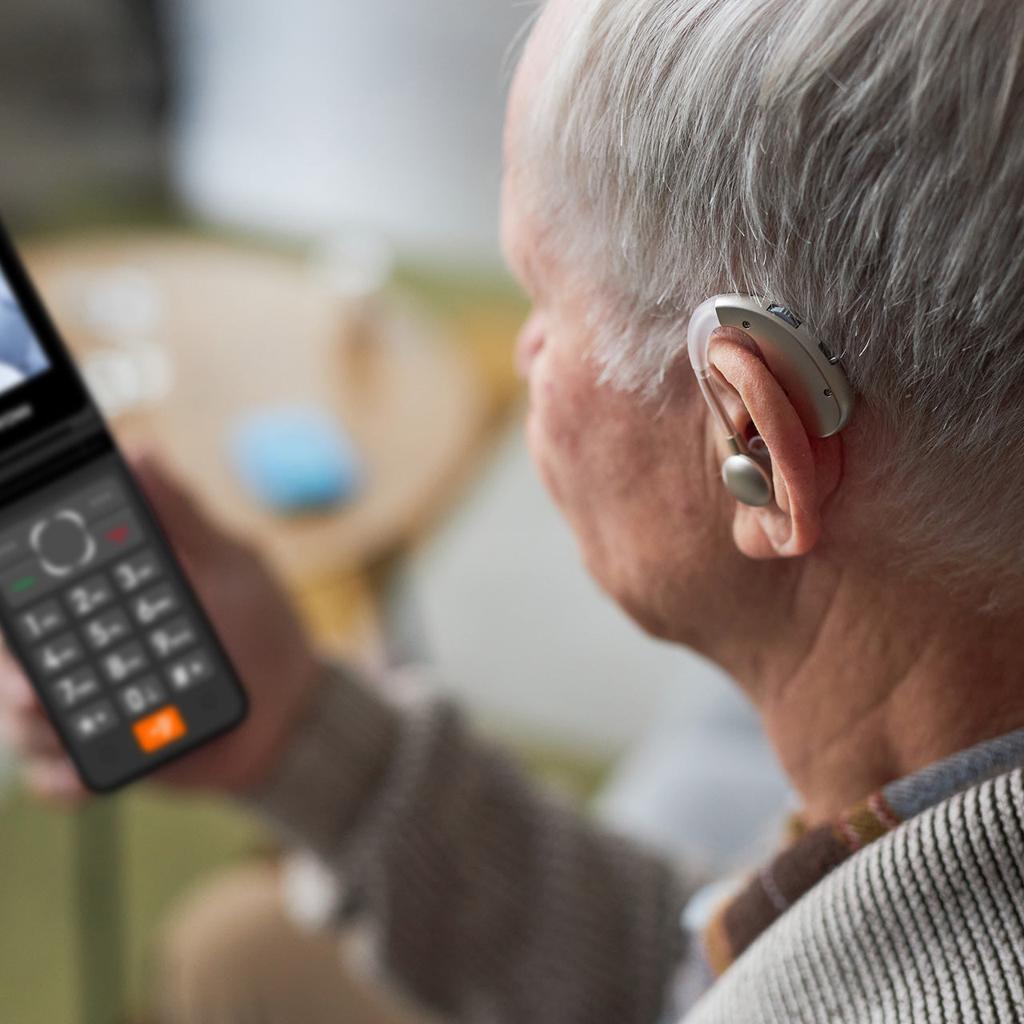
Why Hearing Loss Can Affect Phone Conversations
Phone calls can be more difficult than face-to-face conversations because visual cues are unavailable.
Common challenges may include:
- Difficulty hearing soft voices
- Trouble understanding speech clearly
- Background noise interference
- Missed words during conversations
- Difficulty hearing phone ringers
Even individuals who communicate well in person may find telephone conversations more challenging.
The Hearing Loss Association of America provides information and resources for individuals living with hearing loss and age-related hearing changes.
Why Amplified Phones for Seniors With Hearing Loss Are Helpful
Amplified phones are designed specifically to address common communication challenges.
Potential benefits include:
- Increased call volume
- Improved speech clarity
- Easier communication
- Better confidence during calls
- Reduced misunderstandings
For many seniors, an amplified phone can make conversations feel less stressful and more enjoyable.
Who May Benefit Most From an Amplified Phone?
Amplified phones may be useful for:
- Seniors with age-related hearing changes
- Hearing aid users
- Individuals who frequently increase television volume
- People who struggle to hear phone conversations
- Older adults who rely heavily on landline communication
The right phone may improve both convenience and confidence.
Corded Amplified Phones
Corded amplified phones remain popular because they are simple and reliable.
Potential advantages include:
- Easy operation
- Consistent performance
- Large buttons
- Loud ringers
Many models are designed specifically with seniors in mind.
⇒ See your choice of corded amplified phones here at Amazon
Cordless Amplified Phones
Cordless models provide greater flexibility throughout the home.
Benefits may include:
- Mobility
- Multiple handsets
- Adjustable volume
- Caller ID features
These systems can be convenient for larger homes.
⇒ See your choice of cordless amplified phones here
Amplified Phones With Large Buttons
Many seniors appreciate phones with oversized buttons and easy-to-read displays.
Potential benefits include:
- Easier dialing
- Improved visibility
- Reduced dialing errors
These features can be particularly useful when vision challenges are also present.
⇒ See your choice of large-button amplified phones here
Hearing Aid Compatible Phones
Some amplified phones are designed to work more effectively with hearing aids.
Benefits may include:
- Reduced interference
- Improved sound quality
- Better speech understanding
Always verify compatibility specifications before purchasing.
⇒ See your choice of hearing aid-compatible phones here
Features to Look for in Amplified Phones for Seniors With Hearing Loss
Several features deserve attention when comparing models.
Adjustable Volume
Not every user requires the same level of amplification.
Adjustable settings allow customization.
Loud Ringers
A louder ringer may help prevent missed calls.
Caller ID Display
Large displays can make incoming calls easier to identify.
Large Buttons
Oversized buttons often improve usability.
Visual Alerts
Flashing lights can provide additional notification support when calls arrive.
How to Choose the Right Amplified Phone
Different users have different needs.
For Simple Communication
A corded amplified phone may be sufficient.
For Larger Homes
Cordless systems often provide more flexibility.
For Hearing Aid Users
Compatibility should be a priority.
For Vision Challenges
Large-button phones with large displays may be ideal.
Amplified Phone Comparison
| Type | Main Benefit | Best For |
|---|---|---|
| Corded Amplified Phone | Simple Operation | Everyday home use |
| Cordless Amplified Phone | Greater Mobility | Larger homes |
| Large-Button Phone | Easier Dialing | Vision challenges |
| Hearing Aid Compatible Phone | Improved Sound Quality | Hearing aid users |
Additional Tips for Easier Phone Conversations
The right phone is only part of the solution.
Helpful strategies include:
Reduce Background Noise
Quiet environments often improve call clarity.
Position the Phone Properly
Proper placement may improve hearing comfort.
Keep Volume Settings Updated
Hearing needs may change over time.
Test Features Regularly
Verify that amplification and visual alerts are functioning properly.
Common Mistakes to Avoid
When shopping for amplified phones for seniors with hearing loss, avoid:
- Choosing phones without adjustable volume
- Ignoring hearing aid compatibility
- Overlooking button size
- Selecting overly complex models
- Focusing only on price
The best phone is often the one that combines simplicity with effective communication features.
Frequently Asked Questions
Do amplified phones really help with hearing loss?
Many users find amplified phones improve call clarity and make conversations easier to understand.
Can amplified phones work with hearing aids?
Many models are specifically designed to be hearing aid compatible.
Are cordless amplified phones reliable?
Quality cordless systems can provide clear communication while offering greater mobility.
How loud are amplified phones?
Volume levels vary by model, and many offer adjustable amplification settings.
Are amplified phones difficult to use?
Most senior-focused models are designed to be simple and user-friendly.
You may also find our article on Best Alarm Clocks for Seniors Who Are Hard of Hearing helpful.
Final Thoughts
Amplified phones for seniors with hearing loss can make communication easier, clearer, and less frustrating. Features such as adjustable volume, loud ringers, large buttons, visual alerts, and hearing aid compatibility may help improve everyday conversations and support independent living.
Choosing a phone that matches individual hearing needs can help seniors stay connected with the people who matter most.
Affiliate Disclosure:
Some links in this article may be affiliate links. As an Amazon Associate and other partners, PowerAt50Plus earns from qualifying purchases at no extra cost to you.
Sam Ammouri