
Waking up on time can become more challenging when hearing changes occur with age. Standard alarm clocks often rely on sounds that may be difficult for some older adults to hear, especially during deep sleep.
The best alarm clocks for seniors who are hard of hearing offer features that go beyond traditional alarm sounds. Vibrating alerts, flashing lights, amplified alarms, and easy-to-read displays can help make waking up more reliable and less stressful.
Choosing the right alarm clock can improve independence, support daily routines, and provide greater peace of mind for seniors who have difficulty hearing standard alarms.
Why Standard Alarm Clocks May Not Work Well
Many traditional alarm clocks depend entirely on sound.
Challenges may include:
- Reduced hearing sensitivity
- Difficulty hearing high-pitched tones
- Sleeping through standard alarms
- Hearing aid removal during sleep
- Background noise interference
As hearing changes occur, it often becomes necessary to look for alternative alert methods.
The Hearing Loss Association of America provides information and resources for people living with hearing loss and age-related hearing changes.
Why the Best Alarm Clocks for Seniors Who Are Hard of Hearing Matter
An alarm clock is more than a convenience.
It may help with:
- Medication schedules
- Medical appointments
- Work schedules
- Travel plans
- Daily routines
A missed alarm can create unnecessary stress and disruption.
Specialized alarm clocks provide additional ways to receive alerts that do not depend solely on hearing.
Vibrating Alarm Clocks
One of the most popular options for individuals with hearing challenges is a vibrating alarm clock.
These devices typically include a vibration unit that is placed:
- Under a pillow
- Under a mattress
- Near the sleeper
When the alarm activates, vibration provides a physical alert.
Many users find this feature highly effective.
⇒ See your choice of vibrating alarm clocks here at Amazon
Extra-Loud Alarm Clocks
Some alarm clocks are designed with significantly louder alarm volumes than standard models.
Potential benefits include:
- Stronger audio alerts
- Adjustable volume levels
- Multiple alarm tones
These may be helpful for individuals with mild to moderate hearing loss.
⇒ See your choice of extra-loud alarm clocks here
Alarm Clocks With Flashing Lights
Visual alerts provide another method of notification.
These devices may include:
- Flashing lights
- Strobe alerts
- Bright visual signals
Many users combine flashing lights with sound or vibration for added reliability.
⇒ See your choice of flashing-light alarm clocks here
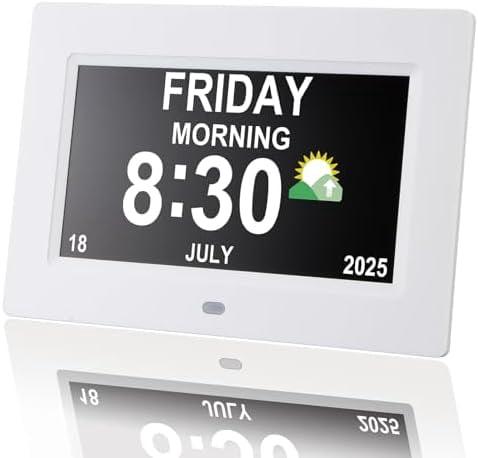
Large Display Alarm Clocks
Many seniors also appreciate clocks that are easy to read.
Features may include:
- Large numbers
- Bright displays
- Adjustable brightness
- High contrast screens
These features improve visibility, especially during nighttime hours.
⇒ See your choice of large-display alarm clocks here
Features to Look for in the Best Alarm Clocks for Seniors Who Are Hard of Hearing
Several features deserve attention when comparing products.
Adjustable Volume
Not every user requires maximum volume.
Adjustable settings allow customization.
Strong Vibration
The effectiveness of vibrating alarms can vary between models.
Bright Visual Alerts
Flashing lights may provide additional notification support.
Large Display
Easy-to-read screens improve usability.
Simple Controls
Straightforward controls are often easier to manage than complex menus.
Alarm Clock Comparison
| Type | Main Benefit | Best For |
|---|---|---|
| Vibrating Alarm Clock | Physical Alert | Significant hearing challenges |
| Extra-Loud Alarm Clock | Strong Sound | Mild to moderate hearing loss |
| Flashing-Light Alarm Clock | Visual Alert | Additional notification support |
| Large Display Clock | Easier Visibility | Everyday convenience |
Additional Tips for Reliable Wake-Up Routines
The right alarm clock can help, but additional habits may improve reliability.
Place the Clock Within Reach
Easy access allows quick adjustments when needed.
Test Alarm Settings Regularly
Occasional testing helps ensure proper operation.
Use Multiple Alert Methods
Many users prefer combining:
- Sound
- Vibration
- Flashing lights
Maintain Consistent Sleep Schedules
Regular sleep habits often make waking easier.
Common Mistakes to Avoid
When shopping for the best alarm clocks for seniors who are hard of hearing, avoid:
- Relying only on sound alerts
- Ignoring vibration strength
- Choosing overly complex controls
- Overlooking display visibility
- Purchasing without testing volume options
The most effective alarm clock is often the one that matches the user’s specific hearing needs.
Frequently Asked Questions
What type of alarm clock works best for seniors with hearing loss?
Many people find vibrating alarm clocks particularly effective because they do not rely solely on sound.
Are extra-loud alarm clocks safe?
Most models allow users to adjust volume levels according to their needs and preferences.
Do vibrating alarm clocks work through mattresses?
Many models are designed specifically to provide noticeable vibration through pillows or mattresses.
Are flashing-light alarms effective?
Visual alerts can be useful, especially when combined with vibration or sound.
Can these clocks help people who remove hearing aids at night?
Many users appreciate vibration and visual alerts because they remain effective even when hearing aids are not being worn.
You may also find our article on – Best Digital Scales for Seniors With Vision Challenges helpful:
Final Thoughts
The best alarm clocks for seniors who are hard of hearing provide more than just a louder alarm. Features such as vibration, flashing lights, adjustable volume, and large displays can help create a more reliable and comfortable wake-up experience.
By choosing an alarm clock that matches individual needs, older adults can improve daily routines while reducing the risk of missed alarms and disrupted schedules.
Affiliate Disclosure:
Some links in this article may be affiliate links. As an Amazon Associate, PowerAt50Plus earns from qualifying purchases at no extra cost to you.
Sam Ammouri