
Bathrooms are one of the most common places for slips and falls, especially as we get older. Wet floors, soap residue, reduced balance, and stepping in and out of a shower can all increase the risk of losing your footing.
Shower grab bars for seniors can provide added stability and confidence during daily bathing routines. Available in a variety of styles and sizes, they can be an important part of improving bathroom safety and supporting independent living.
However, not all grab bars offer the same level of support. Some are designed for permanent installation and full-body weight support, while others are intended only for light balance assistance.
Before purchasing shower grab bars for seniors, it is important to understand the different types available, where they should be installed, and which features matter most. Making an informed choice can help create a safer bathroom and reduce the likelihood of accidents.
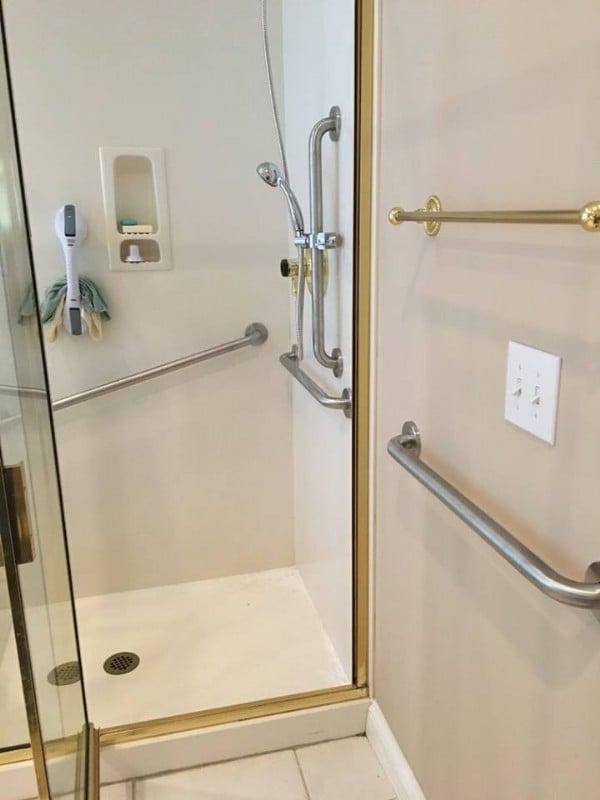
Why Shower Grab Bars for Seniors Matter
A simple shower can become more challenging with age. Changes in strength, balance, flexibility, vision, and reaction time may increase the risk of slipping on wet surfaces.
Many older adults begin avoiding certain movements because they feel unstable. This hesitation can make everyday activities more stressful and may reduce confidence over time.
Shower grab bars provide a secure handhold that can help with:
- Entering the shower safely
- Exiting the shower safely
- Maintaining balance while standing
- Changing positions during bathing
- Using a shower chair or bench
- Reducing fear of falling
The National Institute on Aging recommends reducing bathroom fall hazards and installing sturdy grab bars in bathing areas as part of an overall fall-prevention strategy.
While grab bars cannot eliminate every risk, they are one of the most common home modifications used to improve bathroom safety.
Common Bathroom Fall Risks After 50
Understanding where falls occur can help determine where support may be most useful.
Common bathroom hazards include:
- Wet tile surfaces
- Soap and shampoo residue
- Stepping over a tub wall
- Reaching for shower controls
- Standing on one foot while washing
- Getting up from a shower chair
- Poor lighting
Many accidents happen during transitions, such as stepping into or out of the shower. Properly placed shower grab bars for seniors can provide support during these movements.
Types of Shower Grab Bars for Seniors
Not every bathroom requires the same solution. The best choice depends on the user’s mobility, shower layout, and support needs.
Fixed Wall-Mounted Grab Bars
Wall-mounted grab bars are generally considered the most secure option when installed properly.
These bars are attached directly to wall studs or approved mounting systems and are designed to support significant weight.
They may help with:
- Daily shower use
- Standing balance
- Entering and exiting the shower
- Long-term aging-in-place planning
Many homeowners choose stainless steel models because they are durable and resistant to corrosion.
⇒ See your choice of wall-mounted shower grab bars here at Amazon
Angled Grab Bars
Angled grab bars are mounted at a slight angle instead of perfectly horizontal.
Some users find angled bars easier to grip while standing or changing positions.
Potential benefits include:
- Natural hand positioning
- Better leverage when rising
- Multiple gripping positions
They are often installed near seating areas or transition points inside the shower.
⇒ See your choice of angled shower grab bars here
Vertical Grab Bars
Vertical grab bars are commonly installed near the shower entrance.
They may be helpful when:
- Stepping over a tub edge
- Entering a walk-in shower
- Maintaining balance during transitions
A vertical bar often works well alongside other support bars located inside the shower.
⇒ See your choice of vertical shower grab bars here
Transfer Poles
Transfer poles are different from traditional grab bars but can provide additional support in some situations.
These poles extend from floor to ceiling and provide a stable surface for gripping during movement.
They may benefit people who:
- Have significant balance concerns
- Use mobility aids
- Need additional support when transferring positions
⇒ See your choice of transfer poles here
Types of Grab Bars to Approach Carefully
Suction Grab Bars
Suction grab bars are popular because they do not require drilling.
However, many safety experts recommend caution.
Potential concerns include:
- Loss of suction over time
- Improper installation
- Surface compatibility issues
- Unexpected detachment
These products may be useful as temporary balance aids, but they generally should not replace properly installed support bars designed to hold body weight.
Transfer poles are different from traditional grab bars but can provide additional support in some situations. If you’re comparing bathroom safety options, see our article Transfer Poles and Grab Bars: Do They Improve Safety at Home? for a closer look at how these devices may help with balance and mobility around the house.
Transfer Poles and Grab Bars: Do They Improve Safety at Home?
Towel Bars and Decorative Rails
A towel rack is not a grab bar.
Even if it appears sturdy, it is not designed to support body weight.
Using decorative bathroom fixtures as support can increase the risk of injury if they pull away from the wall.
Features to Look for Before You Buy
When comparing shower grab bars for seniors, focus on function and safety rather than appearance alone.
Weight Capacity
Always review the manufacturer’s weight rating.
Higher weight capacities often indicate stronger mounting systems and more robust construction.
Rust Resistance
Bathrooms are humid environments.
Materials that commonly perform well include:
- Stainless steel
- Corrosion-resistant metals
- Rust-resistant finishes
Grip Surface
Textured surfaces may provide a more secure hold when hands are wet.
Examples include:
- Knurled finishes
- Textured metal patterns
- Non-slip grip areas
Length
Grab bars come in a variety of lengths.
Longer bars provide more hand positions, while shorter bars may fit tighter spaces.
The ideal size depends on the location and intended use.
Where Should Shower Grab Bars Be Installed?
Proper placement is just as important as selecting the right bar.
Common locations include:
Near the Shower Entrance
This area often experiences frequent slips because users are stepping across thresholds and wet surfaces.
Along the Side Wall
Side-wall grab bars can help maintain balance while standing and moving.
On the Back Wall
A rear grab bar may provide additional support while bathing or repositioning.
Near Shower Seating
People who use shower chairs or benches may benefit from strategically placed support bars that assist with sitting and standing.
Common Mistakes to Avoid
Many homeowners focus entirely on the product and overlook installation or placement issues.
Common mistakes include:
- Choosing decorative bars instead of safety bars
- Installing bars in the wrong location
- Ignoring weight ratings
- Assuming suction bars are permanent safety devices
- Selecting bars that are too short
- Improper installation into weak surfaces
Avoiding these mistakes can improve both safety and long-term satisfaction.
Shower Grab Bar Comparison
| Type | Installation | Stability | Best For |
|---|---|---|---|
| Wall-Mounted | Permanent | Excellent | Everyday shower support |
| Angled | Permanent | Excellent | Standing and repositioning |
| Vertical | Permanent | Excellent | Entry and exit support |
| Transfer Pole | Floor-to-ceiling | Very Good | Additional mobility support |
| Suction Bar | Temporary | Limited | Short-term balance assistance |
Frequently Asked Questions
Are shower grab bars worth it for seniors?
Many older adults find that grab bars improve confidence and provide additional support while bathing. They are one of the most common bathroom safety upgrades used for aging in place.
What is the safest type of shower grab bar?
Properly installed wall-mounted grab bars are generally considered the safest and most reliable option for supporting body weight.
Can grab bars be installed in tile showers?
Yes. Many grab bars can be installed through tile using appropriate mounting hardware and installation methods.
How many grab bars should be installed in a shower?
The number depends on the shower layout and the user’s needs. Some bathrooms benefit from multiple bars positioned at key transition points.
Are suction grab bars safe for elderly users?
They may provide temporary assistance but generally should not be relied upon as the primary support device for preventing falls.
Internal Link Suggestion: Transfer Poles and Grab Bars: Do They Improve Safety at Home?
Final Thoughts
Choosing the right shower grab bars for seniors involves more than simply picking a product from a store shelf. The type of grab bar, installation method, placement location, and intended use all play important roles in creating a safer bathroom environment.
For many older adults, a properly installed grab bar can provide added confidence during everyday bathing routines and support efforts to remain independent at home.
Taking the time to understand your options before buying can help ensure you select a solution that fits both your bathroom and your safety needs.
Affiliate Disclosure:
Some links in this article may be affiliate links. As an Amazon Associate, PowerAt50Plus earns from qualifying purchases at no extra cost to you.
Sam Ammouri