
You put on lotion in the morning, but by the afternoon your skin feels dry again. Maybe your arms look flaky, your hands feel rough, or certain areas seem itchier than they used to. Even products that worked for years don’t seem to provide the same relief anymore.
If you’ve been wondering why your skin gets drier with age, you’re not alone. Dry skin becomes more common as we get older, and many people notice changes in texture, comfort, and moisture levels that seem to appear gradually over time.
The good news is that age-related dry skin is often linked to normal changes in oil production, moisture retention, and skin structure. Understanding those changes can make it easier to find simple ways to improve comfort and support healthier-looking skin.
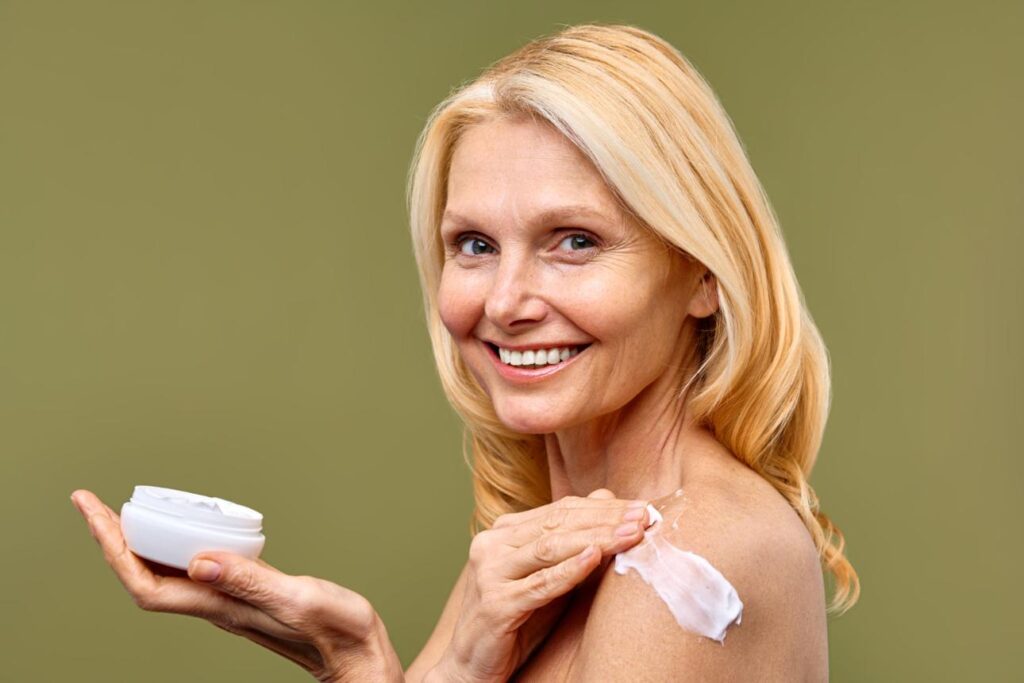
Why Does Skin Get Drier With Age?
As we age, the skin naturally changes. Although these changes are normal, they can make it harder for the skin to retain moisture.
One reason is that aging skin produces less oil. Natural oils help protect the skin and reduce moisture loss. However, oil production tends to decrease over time, which may leave the skin feeling drier.
In addition, the skin gradually becomes thinner. Because thinner skin retains moisture less effectively, it may become more vulnerable to dryness, irritation, and environmental conditions.
Furthermore, the body’s ability to retain moisture can change with age. As a result, the skin may lose water more easily than it did in earlier years.
Common Signs of Dry Skin With Age
Dry skin does not look the same for everyone. However, several symptoms are common.
These may include:
- Skin that feels tight after bathing
- Rough or flaky patches
- Itching
- Fine cracking
- Increased sensitivity
- Dull-looking skin
- Temporary redness
In many cases, these symptoms become more noticeable during colder months when humidity levels drop.
Other Factors That Can Make Dry Skin Worse
Although aging plays an important role, other factors can contribute to dry skin as well.
Cold Weather and Indoor Heating
During winter, outdoor air often contains less moisture. Meanwhile, indoor heating systems can further reduce humidity levels inside the home.
As a result, the skin may lose moisture more quickly.
Hot Showers and Baths
Many people enjoy long, hot showers. However, hot water can remove some of the skin’s natural protective oils.
Therefore, frequent hot showers may worsen dryness over time.
Harsh Soaps and Skin Products
Some soaps, cleansers, and skin care products contain ingredients that may strip away moisture.
For this reason, gentle products are often a better choice for aging skin.
Certain Health Conditions and Medications
Some medical conditions and medications may contribute to dry skin. If dryness becomes severe, persistent, or uncomfortable, discussing it with a healthcare professional may be helpful.
What May Help Dry Skin as You Get Older?
Although aging skin naturally becomes drier, several practical steps may help improve comfort and support healthier skin.
1. Moisturizing Creams
Moisturizing creams help reduce moisture loss by creating a protective barrier on the skin.
Many people find that thicker creams provide longer-lasting hydration than lighter lotions, particularly during colder months.
Individuals with very dry skin may benefit from applying moisturizer shortly after bathing while the skin is still slightly damp.
⇒ See your choice of moisturizing creams here on Amazon
2. Gentle Cleansers
Traditional soaps can sometimes leave the skin feeling dry and tight.
Gentle cleansers are designed to clean the skin while helping maintain its natural moisture balance.
Many adults with age-related dry skin prefer fragrance-free or moisturizing cleansers.
⇒ See your choice of gentle cleansers here
3. Humidifiers
Because dry indoor air can contribute to skin dryness, some people use humidifiers to add moisture back into the air.
This may be particularly helpful during winter when heating systems run frequently.
⇒ See your choice of humidifiers here
4. Daily Body Lotions
While creams often provide intensive hydration, daily body lotions may help maintain moisture throughout the day.
Using a lotion consistently can help support smoother skin and reduce feelings of dryness.
⇒ See your choice of body lotions here
Additional Tips for Managing Dry Skin
In addition to using appropriate skin care products, several daily habits may help.
Daily habits can have a significant impact on comfort and well-being. If reading is part of your routine, you may also enjoy Reading in Bed After 50: Why It Gets Harder, which discusses common challenges that can develop over time.
Reading in Bed After 50: Why It Gets Harder (And What May Help)
Use Lukewarm Water
Lukewarm water is often gentler on the skin than very hot water.
Moisturize After Bathing
Applying moisturizer shortly after bathing can help lock in moisture.
Stay Hydrated
Although hydration alone will not eliminate dry skin, maintaining adequate fluid intake supports overall health.
Protect Skin From Harsh Weather
Cold temperatures, wind, and low humidity can all affect the skin. Therefore, covering exposed skin during harsh weather may help reduce irritation.
Dry Skin Solutions Comparison
| Solution | How It May Help |
|---|---|
| Moisturizing Creams | Help reduce moisture loss |
| Gentle Cleansers | Clean without excessive drying |
| Humidifiers | Add moisture to indoor air |
| Daily Body Lotions | Support ongoing hydration |
| Shorter, Lukewarm Showers | Help preserve natural oils |
Frequently Asked Questions
Why does skin get drier with age?
As people age, the skin produces less oil, becomes thinner, and may retain moisture less effectively than before.
Is dry skin a normal part of aging?
Yes. Many adults experience drier skin as they get older, although symptoms vary from person to person.
Can drinking more water cure dry skin?
Drinking water supports overall health, but it may not fully address dry skin caused by aging or environmental factors.
When should I see a doctor about dry skin?
If dry skin becomes severe, painful, cracked, or does not improve with self-care measures, seeking professional medical advice may be appropriate.
Final Thoughts
Why does skin get drier with age? Natural changes in the skin play a major role, but environmental factors and daily habits can also contribute.
Fortunately, many people find that simple adjustments—such as using moisturizers, choosing gentle cleansers, and reducing exposure to dry air—can make a noticeable difference.
Understanding the causes of age-related dry skin can help you make informed choices and develop a routine that supports healthier, more comfortable skin over time.
Affiliate Disclosure:
Some links in this article may be affiliate links. As an Amazon Associate, PowerAt50Plus earns from qualifying purchases at no extra cost to you.
Sam Ammmouri