
There are few experiences more frightening than waking up suddenly in the middle of the night, unable to breathe. One moment you are deeply asleep, and the next your heart is pounding wildly, your chest feels tight, and your body jolts upright searching desperately for air.
Many people over 50 describe it as feeling like a sudden emergency inside the body. In many cases, these episodes are not simply bad dreams or random nighttime anxiety. The body may actually be reacting to a temporary breathing blockage during sleep.
That sudden wave of panic, rapid heartbeat, and gasping for air is often the brain’s emergency response, trying to restore oxygen levels quickly.
What makes this experience even more unsettling is that it often begins gradually. Loud snoring becomes more frequent. Sleep feels less refreshing.
Morning headaches appear more often. Then one night, the body suddenly wakes itself in full alarm mode.
For many adults over 50, this can become one of the earliest warning signs of sleep apnea and nighttime breathing disruption.
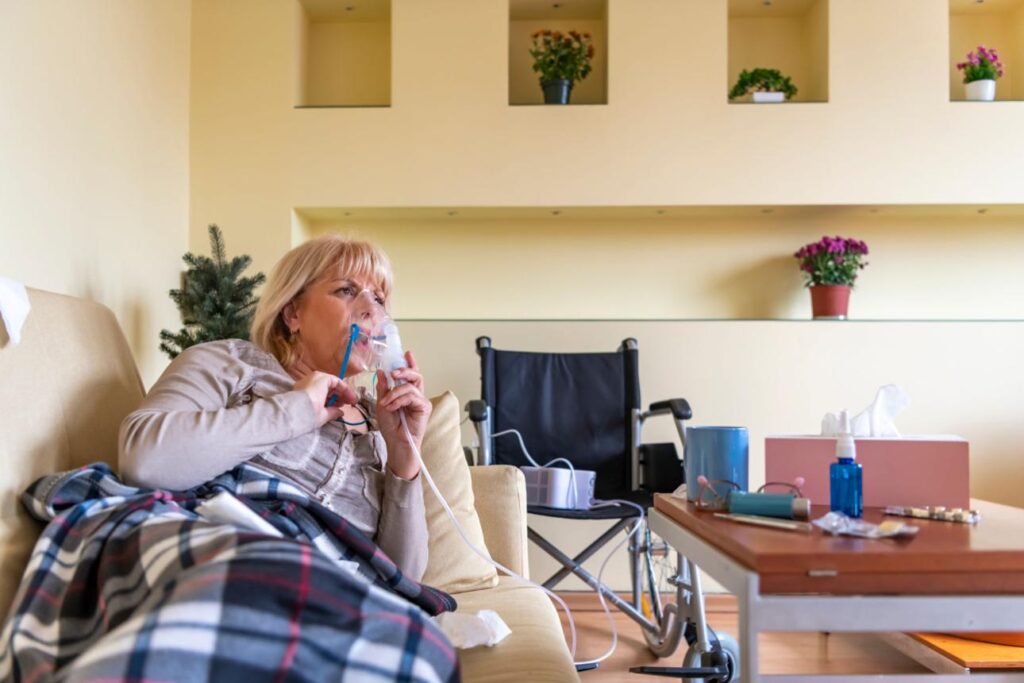
What’s Really Happening During These Nighttime Episodes
The most common cause behind waking up gasping for air after 50 is a condition called Obstructive Sleep Apnea (OSA).
As the body ages, the muscles and tissues around the throat naturally lose firmness and tone. During deep sleep, these relaxed tissues can partially collapse backward and narrow the airway. In some cases, the airway briefly closes completely.
Once airflow stops, oxygen levels inside the blood begin dropping. At the same time, carbon dioxide levels rise rapidly. The brain recognizes this as a dangerous situation and immediately triggers an emergency survival response.
That is when several things happen very quickly:
- Adrenaline floods the bloodstream
- Heart rate increases suddenly
- Blood pressure spikes
- Throat muscles tighten abruptly
- The body jolts awake, searching for air
This is why many people wake up feeling terrified, confused, sweaty, or disoriented. The brain is attempting to restore breathing and oxygen as fast as possible.
In many situations, the person may not even realize they stopped breathing during sleep. Instead, they only remember the panic, the pounding heart, or the sensation of choking.
Why This Becomes More Common After 50
Sleep changes naturally with age. However, several physical shifts can make nighttime breathing problems more likely later in life.
Reduced Muscle Tone
The muscles supporting the airway become softer and weaker with age. Because of this, the throat is more likely to collapse during sleep.
Weight Gain Around The Neck
Even small amounts of weight gain around the neck and upper chest can place extra pressure on the airway during sleep.
Sleeping Flat On The Back
Many adults over 50 develop shoulder pain, hip pain, or reflux symptoms that change sleeping positions. Sleeping flat on the back often worsens airway collapse and snoring.
Increased Nasal Congestion
Dry indoor air, allergies, sinus problems, and medications may contribute to nighttime mouth breathing and airway restriction.
Acid Reflux
Reflux becomes more common with aging and may trigger coughing, choking sensations, or throat irritation while sleeping.
The Strong Link Between Snoring And Nighttime Panic
Chronic loud snoring is often one of the biggest warning signs that the airway is narrowing repeatedly during sleep.
Snoring itself happens because air is struggling to move through a restricted airway. The vibration of soft tissues creates the familiar sound many couples recognize immediately.
However, snoring can sometimes progress into full airway obstruction. That is when breathing temporarily stops altogether.
Many adults ignore snoring for years because it seems harmless or common. At the same time, the body may be experiencing repeated oxygen drops every night.
Over time, this places major stress on the cardiovascular system.
What People Often Overlook
One of the most overlooked parts of sleep apnea is how exhausted and mentally drained it can make someone feel during the day.
Poor nighttime oxygen and repeated adrenaline surges may contribute to:
- Morning headaches
- Brain fog
- Irritability
- Poor concentration
- Afternoon fatigue
- High blood pressure
- Anxiety-like symptoms
- Memory problems
- Dry mouth in the morning
Some adults over 50 assume they are simply “getting older” when in reality they are waking up dozens of times every night without realizing it.
In many cases, the body never fully reaches deep restorative sleep.
Other Conditions That Can Cause Similar Symptoms
While sleep apnea is one of the leading causes, doctors also consider several other possibilities.
| Condition | Common Symptoms |
|---|---|
| Obstructive Sleep Apnea | Snoring, gasping, choking, daytime fatigue |
| Acid Reflux (GERD) | Burning chest, throat irritation, coughing |
| Nocturnal Panic Attacks | Sudden fear, rapid heartbeat, sweating |
| Heart Failure-Related Breathing Problems | Shortness of breath when lying flat |
| Nasal Congestion | Mouth breathing, dry throat, snoring |
Because of this, recurring nighttime breathing episodes should never be ignored.
Practical Solutions That May Help
The good news is that many people improve their sleep dramatically once the underlying issue is addressed.
Sleep Position Changes
Sleeping on the side instead of flat on the back often reduces airway collapse significantly.
This is one reason many adults begin searching for supportive side-sleeper pillows or anti-snore pillows.
A well-designed cervical or side-sleeping pillow may help keep the neck aligned while reducing pressure on the airway.
Wedge Pillows And Elevated Sleeping
Many adults over 50 notice that breathing improves slightly when the upper body is elevated.
Wedge pillows may help by:
- Reducing airway collapse
- Helping with acid reflux symptoms
- Encouraging easier nighttime breathing
- Supporting side sleeping positions
This is especially helpful for adults who experience both snoring and nighttime reflux.
Where Can You Find It?
Click here if you wish to see your choice on Amazon
You can also find it at:
- Walmart
- Costco
- Target
- Medical supply stores
- Sleep specialty stores
Humidifiers For Dry Air And Mouth Breathing
Dry air can irritate the airway and worsen nighttime discomfort.
Many adults over 50 use humidifiers to improve:
- Dry throat symptoms
- Nasal dryness
- CPAP comfort
- Winter breathing irritation
Humidifiers are especially popular during colder months when indoor heating dries the air heavily.
Where Can You Find It?
Humidifiers are usually available on Amazon
Also, you may find it at
- CVS
- Walgreens
- Walmart
- Home improvement stores
Why A Sleep Study Can Be Life-Changing
Many people delay getting tested because they assume sleep apnea only affects severe snorers or overweight individuals.
In reality, sleep apnea affects many adults with completely different body types and lifestyles.
A sleep study can monitor:
- Oxygen levels
- Heart rate
- Breathing interruptions
- Snoring patterns
- Sleep quality
Today, many sleep studies can even be completed at home using portable monitoring equipment.
Once diagnosed, treatment often changes people’s lives dramatically.
CPAP Therapy And Modern Comfort Improvements
CPAP therapy works by gently keeping the airway open during sleep using continuous air pressure.
Years ago, many people avoided CPAP machines because older models were bulky and uncomfortable.
Modern systems are much quieter and more comfortable than before.
Many adults also use supportive accessories such as:
These small comfort upgrades can make nightly therapy much easier.
You also may find it at:
- Medical supply providers
- Sleep clinics
- Online health retailers.
Weight Changes And Airway Pressure
Even modest weight reduction may help reduce airway pressure in some individuals.
This does not mean every case of sleep apnea is caused by weight. However, excess tissue around the neck can worsen airway narrowing.
In many cases, combining:
- Better sleep position
- Mild weight reduction
- Improved sleep habits
- Medical treatment
- Nasal support
can create major improvements over time.
According to the American Academy of Sleep Medicine, untreated sleep apnea may contribute to high blood pressure, irregular heart rhythms, stroke risk, daytime fatigue, and cardiovascular strain over time.
This is one reason recurring nighttime gasping or choking episodes should always be evaluated professionally rather than ignored as simple snoring.
Internal Supportive Reading Opportunity
Many adults dealing with nighttime breathing problems also notice increasing fatigue and poor recovery during the day. Sleep quality affects nearly every part of daily comfort after 50, including energy, focus, blood pressure, and even joint discomfort.
That is why articles like Best Sleeping Positions for Better Breathing After 50
Or Why Snoring Gets Worse With Age can naturally help readers understand the larger picture behind interrupted sleep.
Good sleep is not only about rest. After 50, it becomes part of protecting energy, independence, heart health, and daily quality of life.
— Sam Ammouri
❓ FAQ
Can sleep apnea cause panic attacks at night?
Yes. Many people experience sudden surges of adrenaline and panic-like awakenings when oxygen levels temporarily drop during sleep.
Is waking up gasping for air always sleep apnea?
Not always. Acid reflux, panic attacks, nasal congestion, and some heart conditions can also contribute to nighttime breathing problems.
Why does my heart race when I wake up suddenly at night?
The brain may release adrenaline quickly when breathing becomes restricted during sleep. This causes the heart to beat faster temporarily.
Can sleeping position make sleep apnea worse?
Yes. Sleeping flat on the back often increases airway collapse and snoring in many adults.
Do wedge pillows actually help with nighttime breathing?
For some people, elevated sleeping positions may help reduce reflux symptoms and improve nighttime airflow.
Should loud snoring be taken seriously after 50?
Persistent loud snoring should not be ignored, especially when combined with fatigue, gasping, or poor sleep quality.
Final Thoughts
Waking up suddenly gasping for air can feel deeply frightening, especially when it happens repeatedly.
Many adults over 50 describe these moments as one of the most alarming experiences they have ever had during sleep.
However, the body is often sending an important signal rather than creating random panic.
In many cases, nighttime breathing problems develop gradually over time. Snoring becomes more frequent. Sleep becomes lighter. Energy drops during the day.
Then eventually, the body begins triggering emergency awakenings to restore breathing and oxygen levels.
The encouraging part is that many solutions now exist. Sleep studies have become easier and more accessible. Modern CPAP systems are far more comfortable than older models.
Simple adjustments like side sleeping, wedge pillows, humidifiers, or supportive sleep accessories may also improve comfort for some individuals.
Most importantly, recurring nighttime gasping or choking should never simply be dismissed as aging. Better sleep can improve energy, heart health, mental clarity, and overall quality of life after 50.
I strongly suggest you read about other snoring and sleeping problems at night posts if you are experiencing sleep-related disorders.
Some links in this article may be affiliate links, including links to Amazon and other partners. This means a small commission may be earned at no extra cost to you.
Sam Ammouri