
You’re standing in the kitchen wondering what to make for lunch, or looking for a simple side dish to go with dinner. You want something filling, affordable, and healthy, but many of the foods promoted as “superfoods” seem expensive, complicated, or difficult to fit into everyday meals.
That’s one reason chickpeas deserve more attention.
While they may not get the same attention as trendy health foods, chickpeas are packed with protein, fiber, minerals, and slow-digesting carbohydrates that can support many of the health goals adults over 50 care about most.
From helping support digestion and heart health to providing steady energy and valuable nutrients, chickpeas are one of the simplest and most affordable foods you can add to your routine.
Chickpeas are the right example
Chickpeas are one of the best examples. Also known as garbanzo beans, chickpeas are packed with plant protein, fiber, minerals, and slow-digesting carbohydrates that support several common health concerns adults face after 50.
From helping maintain muscle strength to supporting digestion and heart health, this humble pantry staple offers practical everyday benefits that make healthy aging easier and more sustainable.
Why Chickpeas Become More Valuable After 50
The body naturally changes with age. Muscle mass slowly declines, digestion becomes more sensitive, bones lose density, and energy levels may not feel as steady as they once did. Because of these changes, nutrition starts playing a much bigger role in daily life.
Many adults over 50 unknowingly eat less protein and fiber than they need. In many cases, meals become smaller, appetites change, or convenience foods slowly replace balanced meals. Unfortunately, that combination can contribute to fatigue, digestive sluggishness, muscle weakness, and unstable blood sugar levels.
Chickpeas help address several of these concerns simultaneously.
One serving contains a strong combination of:
- Plant-Based Protein
- Dietary Fiber
- Potassium
- Magnesium
- Iron
- Calcium
- Complex Carbohydrates
✓ Check Current Chickpea Prices and Options on Amazon
If your local store has limited selection, you can browse canned chickpeas, dried chickpeas, organic varieties, and bulk options available on Amazon.
Because of this nutrient profile, chickpeas provide steady support for the body instead of causing sudden spikes and crashes that often come from processed foods.
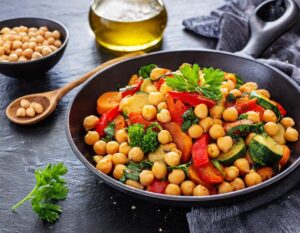
The Protein Advantage for Aging Muscles
One of the biggest overlooked changes after 50 is gradual muscle loss. This natural decline, often called sarcopenia, can affect strength, balance, walking speed, and overall mobility over time.
Simple daily tasks may slowly feel harder:
- Standing Up From Low Chairs
- Carrying Groceries
- Climbing Stairs
- Walking Long Distances
- Maintaining Balance
Protein becomes extremely important during this stage of life because muscles need regular support to maintain strength and function.
A single cup of cooked chickpeas contains roughly 14 grams of protein, making them one of the better plant-based protein options for older adults. Unlike heavily processed snack foods, chickpeas also provide fiber and minerals at the same time.
Another important benefit is that chickpeas offer protein without the high saturated fat content found in many processed meats. That makes them easier on heart health while still supporting muscle maintenance.
Chickpeas and Heart Health After 50
Heart health becomes a major focus for many adults as blood pressure and cholesterol levels begin changing with age. Lifestyle habits built over decades can start showing their effects, especially when combined with lower activity levels and slower metabolism.
Chickpeas support cardiovascular health in several practical ways.
Fiber Helps Support Cholesterol Levels
The soluble fiber found in chickpeas helps bind to cholesterol in the digestive system. Over time, this may help support healthier LDL cholesterol levels when combined with a balanced diet.
Fiber also helps people feel fuller longer, which may reduce overeating and unnecessary snacking throughout the day.
Potassium and Magnesium Support Blood Pressure
Chickpeas naturally contain potassium and magnesium, two minerals that help support healthy circulation and blood vessel function.
Many adults consume too much sodium while not getting enough potassium-rich foods. Adding foods like chickpeas may help create a better nutritional balance.
For your Convenience,
Amazon offers a wide variety of chickpea products, including low-sodium canned options, organic brands, and bulk packages that may help you save money while keeping a healthy pantry stocked.
Click here to see your choices
A Better Alternative to Heavier Meals
Replacing some processed or fatty meats with chickpeas can naturally reduce saturated fat intake while still creating satisfying meals.
Simple swaps include:
- Chickpea Salads Instead Of Heavy Pasta Salads
- Homemade Hummus Instead Of Cream-Based Dips
- Chickpeas Added To Soups And Stews
- Roasted Chickpeas As A Crunchy Snack
These small adjustments can make meals feel lighter without sacrificing fullness or flavor.
Digestive Health and Regularity
Digestive changes are extremely common after 50. Many adults notice slower digestion, bloating, or occasional constipation that did not exist earlier in life.
Fiber becomes one of the most important nutrients during this stage because it supports regular bowel movements and overall gut health.
Chickpeas are naturally high in dietary fiber, which helps keep digestion moving more smoothly throughout the day.
At the same time, fiber also feeds beneficial gut bacteria. A healthier gut microbiome may support:
- Better Digestion
- Reduced Inflammation
- More Stable Energy
- Improved Nutrient Absorption
However, people who are not used to high-fiber foods should increase their intake gradually. Eating large amounts suddenly may lead to temporary bloating or gas.
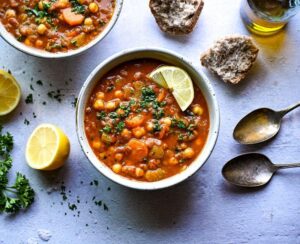
What Many People Overlook About Energy Levels
Many adults over 50 assume feeling tired is simply part of aging. While aging does affect energy, unstable blood sugar and poor food choices often play a major role as well.
Highly processed foods can create quick spikes in blood sugar followed by energy crashes later in the day. This cycle often leaves people feeling sluggish or hungry again shortly after eating.
Chickpeas digest slowly because they contain both complex carbohydrates and fiber. That slower digestion helps provide steadier energy instead of dramatic highs and lows.
Because of this, chickpeas can work well for:
- Midday Energy Stability
- Feeling Full Longer
- Reducing Unnecessary Snacking
- Supporting Blood Sugar Balance
Many adults also appreciate that chickpeas are filling without feeling heavy.
Bone Health Support Beyond Dairy
Bone health becomes increasingly important with age, especially for adults concerned about falls, fractures, or declining bone density.
Although dairy products receive most of the attention, chickpeas also provide minerals that support skeletal health.
These include:
- Calcium
- Magnesium
- Phosphorus
Together, these minerals help support bone structure and long-term strength.
For adults who are sensitive to dairy products or prefer plant-based foods, chickpeas can become a helpful addition to a bone-supportive diet.
Ready to Add Chickpeas to Your Diet?
You can compare popular chickpea brands, read customer reviews, and check current availability on Amazon before your next grocery trip. Click here to see these choices.
Comparison Table: Chickpeas vs Common Snack Foods
| Food | Protein | Fiber | Energy Stability | Heart Friendly |
|---|---|---|---|---|
| Chickpeas | High | High | Steady | Yes |
| Potato Chips | Low | Very Low | Short-Term | No |
| Sugary Crackers | Low | Low | Energy Crash | Limited |
| Processed Snack Bars | Moderate | Often Low | Varies | Often High Sugar |
| Candy Snacks | Very Low | None | Fast Crash | No |
This is one reason chickpeas work so well for adults over 50. They support fullness, energy, and nutrition all at once instead of providing empty calories.
Easy Ways to Add Chickpeas to Daily Meals
One of the biggest advantages of chickpeas is flexibility. They fit easily into simple everyday meals without requiring complicated cooking.
Popular options include:
- Adding Them To Salads
- Mixing Into Soups
- Blending Into Hummus
- Roasting Them For Snacks
- Adding Them To Rice Bowls
- Mixing Into Vegetable Stews
Canned chickpeas are convenient, although rinsing them thoroughly can help reduce sodium content.
For people with sensitive digestion, soaking dry chickpeas before cooking may also help reduce bloating.
Soft preparations like hummus or blended soups can work especially well for adults who prefer easier-to-chew foods.
According to the American Heart Association, foods rich in fiber, plant protein, and minerals like potassium may help support heart health and healthy aging when included as part of a balanced diet. Chickpeas naturally combine all of these nutrients into one affordable food source, making them a practical everyday option for older adults.
Where Can You Find Chickpeas?
Chickpeas are widely available and usually inexpensive compared to many health-focused specialty foods.
You can often find them at:
- Local Grocery Stores
- Warehouse Clubs
- Health Food Stores
- International Markets
- Supermarkets
They are available both dried and canned. Many people prefer canned chickpeas for convenience, while dried chickpeas may offer slightly better texture and lower sodium after cooking.
You can also check available options on Amazon if local selection is limited.
A Simple Food That Supports Independence
Many adults over 50 are not searching for perfect diets or extreme nutrition plans. Instead, they simply want foods that help them stay active, independent, and comfortable in everyday life.
That is where chickpeas quietly stand out.
They are affordable.
Easy to prepare.
Filling without being heavy.
And they support several important aging concerns at once.
Small daily food choices may not feel dramatic in the moment, but over time they can strongly influence energy, mobility, digestion, and overall well-being.
In many cases, healthy aging is less about finding one miracle solution and more about building consistent habits that support the body day after day.
If improving nutrition after 50 is becoming a bigger focus, many adults also begin paying closer attention to simple high-fiber breakfast foods and steady-energy meals. That is one reason foods like oatmeal continue gaining attention for healthy aging support. Healthy Breakfast Foods After 50 can naturally work alongside foods like chickpeas to create more balanced daily eating habits.
At the same time, maintaining strength and mobility often depends on combining nutrition with movement and recovery habits. Adults looking to support long-term independence may also benefit from reading Simple Daily Habits That Help Maintain Strength After 50 as part of a broader healthy aging routine.
❓ FAQ
Are chickpeas good for adults over 50?
Yes. Chickpeas provide protein, fiber, minerals, and slow-digesting carbohydrates that support several common aging concerns, including digestion, muscle maintenance, and heart health.
Do chickpeas help with constipation?
Because chickpeas are high in dietary fiber, they may help support regular bowel movements and healthier digestion when eaten consistently with enough water intake.
Are canned chickpeas healthy?
Yes. Canned chickpeas still provide strong nutritional value. Rinsing them before eating can help reduce sodium content.
Can chickpeas help with energy levels?
Many people find that chickpeas help provide steadier energy because they digest slowly and help avoid sudden blood sugar spikes.
Are chickpeas better than processed snacks?
In many cases, yes. Chickpeas provide more protein, fiber, and nutrients while helping people stay fuller longer.
Add it to your life today.
Click here to see a wide variety of available chickpeas at Amazon today
Final Thoughts
Healthy aging rarely depends on expensive trends or complicated diets. More often, it comes from small, consistent habits repeated over time. Foods that support energy, digestion, strength, and heart health naturally become more valuable as the body changes with age.
Chickpeas are one of those rare foods that manage to support several areas of health at once while remaining simple, affordable, and easy to use in everyday meals. Their combination of plant protein, fiber, minerals, and steady energy makes them especially useful for adults over 50 who want practical ways to support long-term wellness.
At the same time, no single food creates perfect health on its own. Instead, chickpeas work best as part of a balanced lifestyle that includes movement, hydration, sleep, and consistent eating habits.
For many older adults, healthy aging is ultimately about preserving independence and feeling capable in everyday life. Small nutrition choices may seem minor at first, but they often build into meaningful long-term benefits over the years.
My Take
Healthy aging does not always come from expensive supplements or complicated diet trends. In many cases, the most helpful foods are the simple everyday staples people have ignored for years. Foods like chickpeas quietly support energy, digestion, strength, and heart health without making life more complicated.
“Healthy aging often begins with the simple foods people overlook every day.”
— Sam Ammouri
Some links in this article may be affiliate links, including links to Amazon and other partners. This means a small commission may be earned at no extra cost to you.