
Why Hair Changes After 50
Hair changes gradually with age. It may feel drier, appear thinner, lose some fullness, or become more difficult to style than it once was.
Several factors can contribute to these changes:
- Oil production often slows, leaving hair and scalp drier.
- Hair growth cycles may become less active.
- Nutrient absorption and delivery can become less efficient.
- Sensitivity to DHT (a hormone linked to male pattern hair loss) may increase.
As a result, changes in hair quality often become just as noticeable as changes in hair density.
Adjusting Your Hair Care Routine
Many men continue using the same hair care habits they followed for years. However, hair that has become thinner or drier often benefits from a different approach.
Focusing on protection, nourishment, and gentle handling can help reduce unnecessary damage and support healthier-looking hair over time.
What’s Really Happening to Your Hair
There’s a pattern most men notice but rarely think about deeply. One day, you wake up and your hair just doesn’t feel the same. It looks flatter. It feels rougher. Styling takes more effort.
That’s because several things are shifting at once:
- Oil production slows down, leaving hair dry
- Growth cycles become weaker
- Nutrient delivery isn’t as efficient
- Sensitivity to DHT increases (linked to Androgenetic Alopecia)
It’s not just hair loss—it’s hair quality changing over time.
The Shift Most Men Overlook
Many men continue using the same routine they’ve always used. Same shampoo. Same habits. Same shortcuts.
But here’s the quiet truth:
A “clean-only” routine stops working after 50.
What your hair needs now is:
- Protection
- Nourishment
- Gentle handling
Once you shift into that mindset, everything starts improving.
10 Essential Ways to Maintain Healthy Hair After 50
Fuel Hair Growth with Real Nutrition
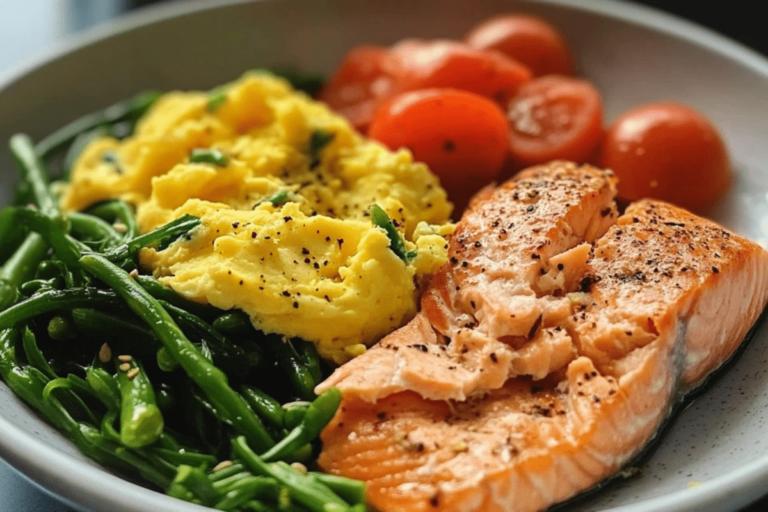
Hair is built from protein, but it also depends on iron, zinc, and healthy fats.
A simple pattern you’ll notice: when meals become lighter or less balanced, hair tends to weaken shortly after.
Focus on:
- Eggs, fish, lean meats
- Leafy greens
- Nuts and seeds
This isn’t about dieting—it’s about feeding your follicles consistently.
Explore Medical Support Early
One common mistake is waiting too long.
Options like Minoxidil and Finasteride don’t reverse everything—but they can slow down the process significantly when started early.
Even reviewing current medications with a doctor can uncover hidden causes of thinning.
Upgrade Your Shampoo—Quietly
This is one of the easiest changes with the biggest impact.
Most standard shampoos strip natural oils, which older hair no longer replaces easily.
Instead, look for: Available at Amazon
A small switch here often leads to noticeable improvements within weeks.
Protect Hair Before It Gets Damaged
Think about your weekly habits.
If you swim regularly, chlorine gradually weakens your hair.
If you spend time outdoors, sun exposure dries it out.
Simple adjustments make a difference:
- Rinse hair before entering a pool
- Wear a cap if possible
- Use light protection in the strong sun
These aren’t big changes—but they prevent long-term damage.
Reduce Heat Without Overthinking It
High heat is one of the fastest ways to damage aging hair.
Instead of completely changing your routine, just lower the intensity:
- Use cooler settings
- Let hair air-dry when possible
That small shift protects the structure of your hair without adding effort.
Watch Alcohol Without Overreacting
You don’t need to cut it out completely.
But excessive drinking can quietly:
- Dehydrate your scalp
- Reduce key nutrients
- Affect hair strength over time
Moderation helps maintain balance without forcing strict rules.
Stimulate the Scalp Consistently
Hair growth starts beneath the surface.
A simple 3–4 minute scalp massage once or twice a week can improve circulation and help nutrients reach the roots.
It’s a small habit—but over time, it supports stronger growth conditions.
Sleep Plays a Bigger Role Than You Think
Poor sleep doesn’t just affect energy—it affects hair cycles.
When sleep is inconsistent, stress hormones rise, which can interfere with growth.
Keeping a steady sleep pattern often improves more than just how you feel—it shows in your hair too.
Manage Stress Before It Shows
There’s a pattern many overlook: periods of high stress often lead to increased shedding.
Conditions like Telogen Effluvium are directly linked to this.
Even simple habits like walking, stepping away from screens, or slowing your routine slightly can make a noticeable difference over time.
Protect Against Sun Exposure
Hair weakens under constant sun exposure, especially when it’s already dry.
A hat or light protection outdoors can help preserve both the scalp and the hair itself.
It’s one of those habits that doesn’t feel important—until you notice the difference months later.
Comparison: Old Routine vs. Smarter Routine After 50
| Habit | Old Approach | Smarter Approach |
|---|---|---|
| Washing | Daily harsh shampoo | Gentle, sulfate-free, less frequent |
| Drying | High heat | Air dry or low heat |
| Nutrition | Unstructured meals | Protein + micronutrient focus |
| Scalp care | Ignored | Weekly stimulation |
| Protection | None | Sun + chlorine awareness |
This shift isn’t drastic—it’s simply more intentional.
Understanding how hair changes with age isn’t guesswork anymore.
According to the American Academy of Dermatology, aging hair becomes thinner and more fragile, requiring gentler care and early intervention to maintain density and strength.
That’s exactly why small adjustments—not extreme changes—make the biggest difference.
A Simple Weekly Eating Pattern That Supports Hair
| Day | Breakfast | Lunch | Dinner |
|---|---|---|---|
| Mon | Eggs + spinach | Chicken salad | Salmon + sweet potatoes |
| Tue | Yogurt + walnuts | Lentil soup | Beef + broccoli |
| Wed | Smoothie + chia | Tuna + avocado | Turkey + quinoa |
| Thu | Omelet + veggies | Chickpeas + greens | Mackerel + asparagus |
| Fri | Toast + almond butter | Shrimp salad | Tofu + rice |
| Sat | Smoothie bowl | Lean burger | Shellfish + spinach |
| Sun | Eggs + salmon | Quinoa bowl | Roast chicken |
This isn’t strict—it’s a simple way to stay consistent.
Recommended: Simple Upgrades That Make a Difference
A good sulfate-free shampoo or a basic nutrient supplement can support what you’re already doing.
Nothing extreme—just tools that work with your routine, not against it.
If your hair conditions are severe, then you may have to consider hair regrowth products such as:
Recommended: Small Additions That Support Long-Term Results
Scalp oils, gentle conditioners, or even a simple massage tool can help reinforce your routine.
Again, this isn’t about buying more—it’s about choosing better.
If you’ve already been improving your daily habits, you’ll notice how closely this connects to your overall energy and recovery. It’s something that becomes clearer when you look at your routine as a whole, not just one part of it—very similar to what we explored in Daily Energy Habits After 50 That Actually Work.
❓ FAQ
Does hair always thin after 50?
Not always—but most men experience some level of change in thickness or texture.
Can thinning hair become thick again?
In some cases, density can improve, but most solutions focus on slowing loss and strengthening existing hair.
How often should I wash my hair?
2–3 times per week is usually enough for aging hair.
Do supplements really help?
They can support deficiencies, but they work best alongside a balanced diet.
Is stress really that important?
Yes—long-term stress can directly affect hair growth cycles.
Final Thoughts
Hair after 50 isn’t something you fix overnight—it’s something you manage gradually.
What makes the biggest difference isn’t a single product or a drastic change. It’s the combination of small, consistent habits that support your hair over time.
Once you shift your focus from quick results to long-term care, everything becomes easier. Your routine simplifies. Your expectations become realistic. And most importantly, your results become more stable.
You’re not trying to get back what you had—you’re learning how to maintain what you have now, in a smarter way.
“Taking care of your hair after 50 isn’t about vanity—it’s about preserving confidence in the details most people overlook. Your hair doesn’t need perfection—it needs consistency. Once you understand that, everything changes. ”
— Sam Ammouri
Affiliate Disclaimer
Some links in this article may be affiliate links, including links to Amazon and other partners. This means a small commission may be earned at no extra cost to you.