
There comes a point when your kitchen doesn’t feel difficult—it just starts to feel… slower. Tasks that used to take seconds now take a little longer. You reach for something, pause, adjust your position, and then continue—nothing dramatic, just small interruptions that quietly add up.
At first, it’s easy to ignore—a cluttered cabinet here, an overfilled drawer there. But over time, these little moments begin to shape how you move through your day. Cooking feels less enjoyable, cleaning feels heavier, and even simple routines start to feel like effort.
That’s where small, thoughtful changes make a real difference. Not big renovations. Not expensive upgrades. Just simple adjustments that reduce friction, improve flow, and make your kitchen work with you—not against you.
Why the Kitchen Starts Feeling Harder to Use
The kitchen is one of the most active spaces in any home. It involves reaching, bending, turning, lifting, and moving constantly—often without us realizing how repetitive those movements are.
As the years go by, it’s not that you “can’t” do these things. It’s that your body becomes less tolerant of unnecessary effort. Reaching deep into a cabinet, lifting a heavy stack of plates, or searching through clutter begins to feel inefficient.
And when these moments repeat multiple times a day, they create something subtle but powerful: friction.
What’s Really Happening (In Real Life)
Think about a normal day in your kitchen:
- You open a cabinet and move three things just to grab one
- You bend down to check what’s in the back of a shelf
- You search through a drawer while something is cooking
- You carry items back and forth because they’re not where you need them
None of these actions are difficult on their own. But together, they slow you down and quietly drain your energy.
Over time, this affects more than just convenience. It changes how often you cook, how organized you feel, and even how relaxed you are in your own space.
What Most People Overlook
Most people think kitchen organization is about space.
But it’s really about movement.
You don’t need more storage—you need better access.
You don’t need more items—you need fewer obstacles.
The goal is simple:
👉 Make everything easier to reach, easier to see, and easier to use.
Practical Changes That Make an Immediate Difference
1. Bring Everything Into Your “Active Zone.”
Your most-used items should sit between waist and eye level.
This one change alone removes a huge amount of unnecessary bending and reaching.
- Move everyday dishes to the middle shelves
- Keep frequently used cookware within arm’s reach
- Store rarely used items higher or lower
Small shift—big impact.
2. Stop Stacking Heavy Items
Stacking seems efficient, but it creates extra work every time you need something.
Instead:
- Use simple shelf risers inside cabinets
- Separate plates into lighter, easier-to-grab sections
- Avoid deep piles that require lifting and adjusting
The goal is to grab without effort, not dig through layers.
3. Turn Deep Shelves Into Easy-Access Spaces
Reaching into the back of a cabinet is one of the biggest sources of daily frustration.
Simple fixes:
- Use pull-out bins or baskets
- Add turntables (Lazy Susans) for corners
- Group similar items together
Now, instead of reaching in, you bring things to you.
4. Clear the Countertops (Without Losing Function)
A crowded counter doesn’t just look busy—it feels busy.
Keep only what you actually use daily:
- Coffee maker or kettle
- One or two essential tools
- Everything else is stored neatly nearby
This creates:
- More working space
- Less visual stress
- A calmer, more inviting kitchen
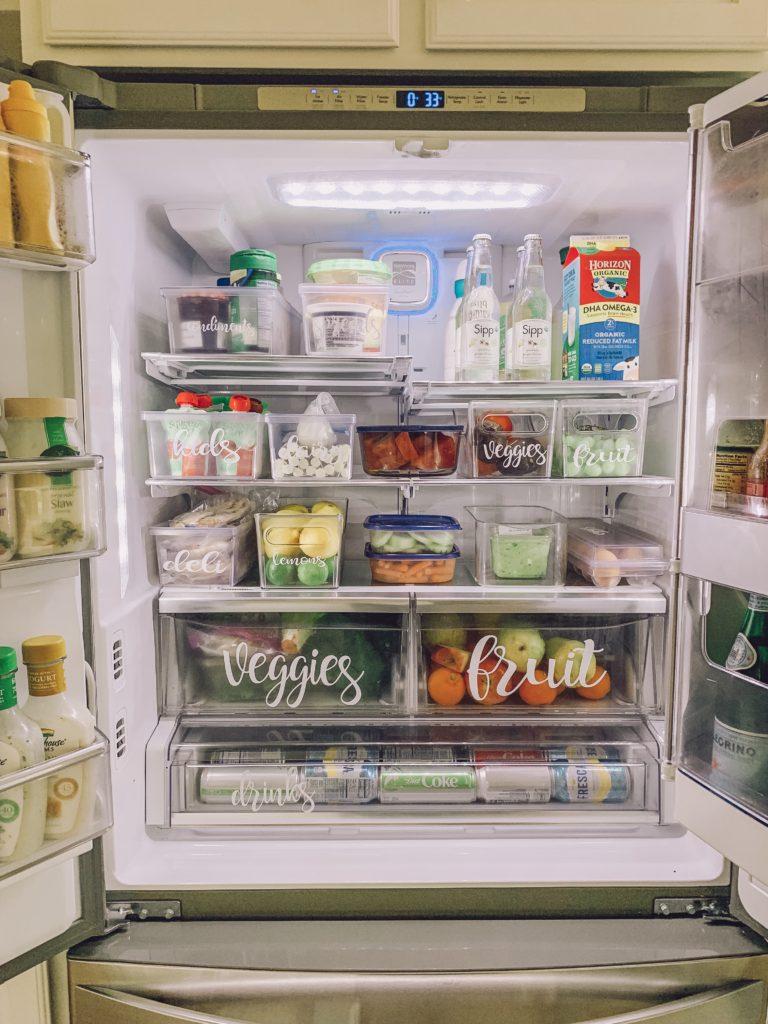
5. Make Your Fridge Easy to Navigate
The fridge is one of the most used—and most overlooked—areas.
Instead of stacking items randomly:
- Use clear bins to group foods (breakfast, snacks, condiments)
- Keep frequently used items at eye level
- Avoid overfilling shelves
This turns your fridge into a quick-access system, not a search mission.
Comparison: Small Changes That Make a Big Difference
| Everyday Problem | Old Setup | Easier Setup |
|---|---|---|
| Reaching into cabinets | Stacked items | Shelf risers & spacing |
| Deep pantry shelves | Hidden items | Pull-out bins |
| Cluttered counters | Too many tools | Minimal essentials |
| Fridge frustration | Mixed items | Grouped clear bins |
It’s Not Just the Kitchen — This Applies Everywhere
Once you notice this “friction,” you start seeing it in other parts of your home too.
Entryway (Shoes)
Bending to grab shoes every time you leave adds up quickly.
A simple rack or bench makes the process smoother and faster.
Closet (Clothing)
Overpacked closets create unnecessary effort.
Fewer visible items make getting dressed easier and less stressful.
Bedroom (Night Routine)
Searching for things in the dark or cluttered spaces disrupts your rest.
A clean, simple setup makes evenings calmer and safer.
Simple Options That Can Make This Even Easier
- Cabinet Shelf Risers For Lighter Stacking
- Pull-Out Storage Bins For Deep Shelves
- Rotating Turntables For Corner Cabinets
- Clear Fridge Organizers For Easy Visibility
More Small Upgrades Worth Considering
- Drawer Dividers To Keep Utensils Organized
- Under-Shelf Baskets To Add Extra Storage Without Clutter
- Non-Slip Mats To Keep Items Stable And Easy To Handle
- Lightweight Cookware That’s Easier To Lift And Move
⇒ Click here to see more choices that can make your kitchen Simple and orderly
According to the National Institute on Aging, making small adjustments in your home environment can significantly support independence, reduce daily strain, and improve overall comfort as you age. A well-organized space isn’t just about convenience—it plays a key role in maintaining ease of movement and confidence in everyday tasks.
Final Thoughts
The goal isn’t to create a perfect kitchen.
It’s to create a kitchen that feels easy.
When everything has a place, when nothing requires extra effort, and when movement flows naturally, your entire day starts to feel lighter. Cooking becomes enjoyable again. Cleaning feels manageable. And your space starts working with you instead of slowing you down.
Small changes—done right—can completely change how your home feels.
FAQ
What is the easiest kitchen change to start with after 50?
Start by moving your most-used items to waist-to-eye level. This reduces bending and makes daily tasks immediately easier.
Do I need to remodel my kitchen to make it easier to use?
No. Most improvements come from simple organization changes like bins, risers, and decluttering—not renovations.
How do I reduce clutter without throwing everything away?
Focus on keeping only what you use regularly. Store or remove items that add no daily value.
Are kitchen organizers really helpful or just extra clutter?
When used correctly, they reduce effort by improving access. The key is choosing simple, functional tools—not overcomplicating.
Does organizing really make a difference in daily comfort?
Yes. A well-organized kitchen reduces repeated effort, saves time, and makes everyday tasks feel smoother and less tiring.
“Comfort at home isn’t about having more—it’s about removing what quietly makes life harder.”
— Sam Ammouri
Note
This content is for informational purposes only and reflects personal experience and practical lifestyle insights. It is not medical advice.
Some links may be affiliate links to Amazon and other affiliate partners, which means if you purchase through these links, I may earn a small commission at no extra cost to you.