
You wake up, reach to turn your head—and there it is. That stiff, nagging pain in your neck or shoulder that wasn’t there the night before.
At first, it feels random. Maybe you “slept wrong.” Maybe it’s just part of getting older. So you stretch a bit, shake it off, and move on. But then it happens again. And again.
That’s when you start wondering… could something as simple as your pillow be the problem?
Why This Starts Happening More After 50
After 50, your body doesn’t handle small imbalances the same way it used to.
Your neck becomes a little less flexible. Your shoulders become more sensitive to pressure. And your muscles don’t always recover overnight like they once did.
So when your pillow doesn’t match your body properly, it’s no longer a small issue—it becomes something you feel the moment you wake up.
This isn’t about “bad pillows.”
It’s about the wrong pillow for your body.
What’s Really Happening While You Sleep
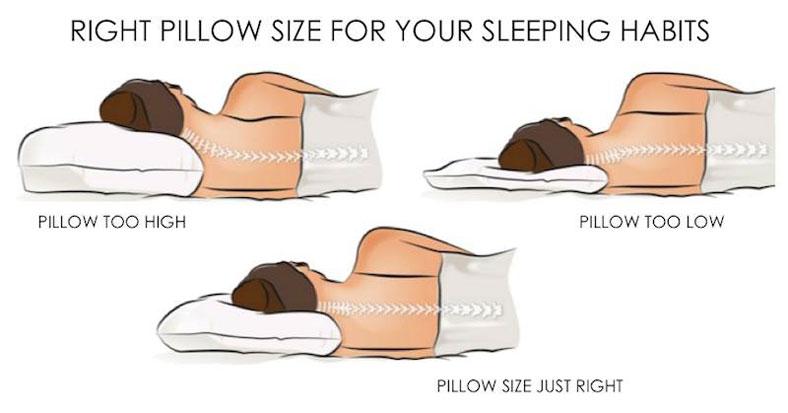
When you lie down, your neck and spine are supposed to stay straight and relaxed.
But if your pillow is off—even slightly—it can:
- Push your head too far forward
- Let your head drop too low
- Twist your neck at an angle
- Put pressure on your shoulder joint
And that position stays for hours.
So instead of resting, your muscles are quietly working all night to compensate.
By morning, they’re tired—and that’s the stiffness you feel.
The Pillow Problem Most People Overlook
Here’s where it gets interesting…
There is no “perfect pillow” for everyone.
What works for one person can actually cause pain for another.
It depends on:
- Your sleeping position (side, back, or stomach)
- Your shoulder width
- Your mattress firmness
- How much support your neck needs
For example:
- A side sleeper usually needs a higher pillow to fill the gap between the shoulder and the head
- A back sleeper needs something moderate and supportive
- A very soft pillow might feel good at first—but collapse overnight
That’s why many people keep switching pillows without ever quite fixing the issue.
Looking For Better Neck Support While You Sleep?
The right pillow can make a significant difference in comfort, support, and morning stiffness. You can compare memory foam, ergonomic, and adjustable pillows on Amazon. Click here to find an option that fits your sleeping style
Other Causes That Feel Like Pillow Pain (But Aren’t)
1. Cold Air Draft While You Sleep
If you sleep near:
- An open window
- A fan blowing directly on you
- An air conditioner vent
You might be exposing your neck and shoulders to a constant stream of cool air.
Over several hours, that can tighten muscles without you realizing it.
You wake up thinking:
“I must have slept wrong.”
But in reality, your muscles were reacting to cold airflow all night.
2. Direct Fan or AC Blowing on Your Body
A direct stream of air hitting your upper body is one of the most common hidden causes of morning stiffness.
Instead of helping you sleep better, it can:
- Dry out muscles
- Cause subtle tension
- Lead to soreness by morning
This is especially noticeable after 50.
3. Exercise That Shows Up Late
Here’s something many people miss:
After 50, soreness doesn’t always show up right away.
You might:
- Do a workout
- Lift something heavy
- Try a new movement
And feel completely fine afterward…
Only to wake up 1–2 days later with neck or shoulder pain.
That’s called delayed soreness—and it often gets blamed on sleep when it’s actually from activity.
4. Lifting More Than Your Body Is Ready For
This one matters.
Pushing beyond your current strength—especially with:
- Shoulder exercises
- Upper body workouts
- Sudden heavy lifting
Can strain muscles that later feel like “sleep pain.”
The key here is simple:
Don’t rush strength—build it gradually.
5. When It’s NOT Just a Pillow Issue (Important)
If your pain is:
- Sudden and intense
- Persistent and not improving
- Spreading to your arm, chest, or jaw
Don’t ignore it!
This could be something more serious, and it’s important to seek immediate medical attention.
For general guidance on healthy aging and recognizing warning signs, resources from the National Institute on Aging can be helpful.
Simple Ways to Fix the Problem
Now let’s get practical.
Adjust Your Pillow, Don’t Just Replace It
Before buying a new one, try:
- Folding your pillow slightly to increase height
- Removing stuffing (if adjustable)
- Testing different positions for a few nights
Sometimes small changes make a big difference.
Match Your Pillow to How You Sleep
Instead of guessing, think in terms of support:
| Sleeping Position | What You Need | Common Mistake |
|---|---|---|
| Side sleeper | Higher, firmer support | Pillow too flat |
| Back sleeper | Medium height, balanced support | Pillow too thick |
| Stomach sleeper | Very low or none | Neck twisted upward |
Side sleepers, back sleepers, and combination sleepers often need different levels of support.
⇒ Browse popular pillow options on Amazon
And compare features, firmness levels, and customer reviews.
Fix Airflow in Your Room
Instead of letting air hit you directly:
- Move fans away from your body
- Redirect airflow toward the walls or the ceiling
- Avoid sleeping directly under vents
A simple change in airflow direction can eliminate morning stiffness.
Simple Options That Can Make Sleep More Comfortable
- Supportive pillows designed for neck and shoulder alignment
- Adjustable pillows that let you control height and firmness
- Cooling pillows that don’t rely on direct airflow
These small upgrades can help you find what actually fits your body instead of guessing.
A Smarter Way to Use Fans at Night
Instead of using a fan that blows directly on you, consider:
- Air circulator (turbo) fans that move air around the room
- Placing the fan in a corner to create indirect airflow
- Letting the room cool evenly without hitting your neck
This keeps you comfortable without creating muscle tension overnight.
What People Often Overlook
Most people try to fix this problem by changing one thing—usually the pillow.
But the truth is, it’s often a combination of:
- Pillow mismatch
- Airflow direction
- Recent physical activity
- Sleep position habits
When you adjust all of these together, that’s when the real improvement happens.
If you’ve ever noticed that your body feels more cautious or stiff in daily movement, this connects closely with how you rest at night—something I touched on in Why You Move More Carefully Without Realizing It After 50, where small physical changes start influencing everyday comfort.
Final Thoughts
Neck and shoulder pain after 50 doesn’t usually come from one big problem.
It comes from small things—repeated night after night—until your body starts pushing back.
The good news is, those small things are often easy to fix once you notice them.
A better-matched pillow, a small shift in airflow, and a more mindful approach to movement can completely change how you feel when you wake up.
Whether you’re looking for neck support, pressure relief, cooling comfort, or adjustable firmness, Amazon offers a wide range of pillows designed to help improve sleep quality and morning comfort.
⇒ Click here to see your options
Sometimes the problem isn’t something new—it’s something you’ve been doing the same way for years, and your body is finally asking for a small adjustment.
When you listen early, the fix is usually simpler than you think.
— Sam Ammouri
Note & Disclosure
This article is based on real-life experience and practical everyday observations, not medical advice.
Some links on this page may be affiliate links, including Amazon and other partners, which means I may earn a small commission at no extra cost to you.