
Staying strong after 50 is not about lifting the heaviest weights in the gym. It is about maintaining the strength needed to move comfortably, stay independent, and enjoy everyday life. Simple activities like climbing stairs, carrying groceries, or standing up from a chair all depend on muscle strength.
The encouraging part is this—your body can still build strength at any age. With the right exercises and consistent habits, it is possible to improve balance, mobility, and confidence over time.
What Are the Best Strength Exercises After 50?
The most effective exercises are those that mimic real-life movement.
They help improve:
• Muscle strength
• Balance and coordination
• Joint stability
• Posture
• Everyday mobility
The following seven exercises are simple, effective, and suitable for beginners.
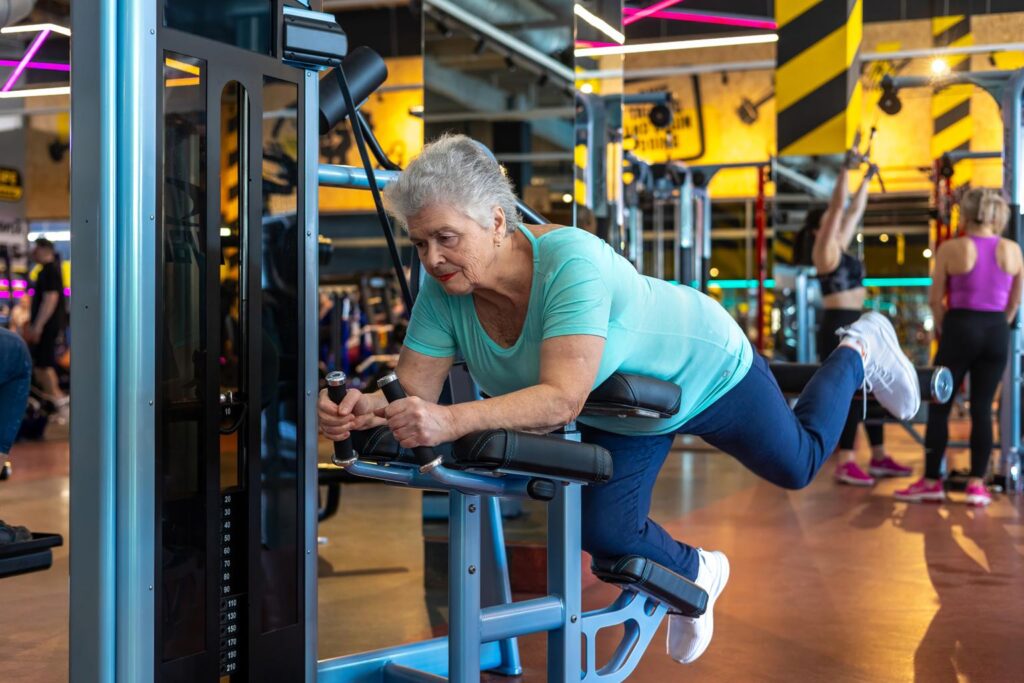
What Experts Say About Strength Training After 50
Centers for Disease Control and Prevention (CDC) recommends that adults include muscle-strengthening activities at least two days per week to maintain strength, balance, and independence.
1. Chair Squats
Chair squats mimic the everyday movement of standing up.
They strengthen the legs, hips, and glutes.
How to do it:
• Stand in front of a chair
• Lower slowly until seated
• Stand back up using your legs
Tip:
Move slowly for better muscle engagement.
2. Wall Push-Ups
Wall push-ups strengthen the upper body with minimal strain.
How to do it:
• Stand facing a wall
• Place hands at shoulder height
• Bend elbows and lean forward
• Push back to start
3. Glute Bridges
These strengthen the hips and support the lower back.
How to do it:
• Lie on your back with knees bent
• Lift hips upward
• Pause briefly
• Lower slowly
4. Step-Ups
Step-ups improve leg strength and balance.
How to do it:
• Step onto a low platform
• Bring the other foot up
• Step back down
5. Resistance Band Rows
These strengthen the upper back and improve posture.
How to do it:
• Hold a resistance band
• Pull toward your torso
• Squeeze shoulder blades
• Return slowly
Some people find it easier to stay consistent when simple tools are available at home.
• Resistance band sets for beginner strength training
• Light dumbbell sets for home workouts
• Non-slip exercise mats for safe exercise
Best natural vitamins
- 6-in-1 Anabolic Muscle Builder for Men
- NuBest Grow Power – Bone Strength Calcium
- Magnesium 7 Complex Supplement
Best foods
Lean beef
Tuna
White meat chicken
Salmon
Beans
6. Standing Calf Raises
These support walking, balance, and ankle strength.
How to do it:
• Stand near support
• Rise onto your toes
• Lower slowly
7. Dumbbell Shoulder Press
This strengthens shoulders and arms for daily tasks.
How to do it:
• Hold light weights at shoulder level
• Press upward
• Lower slowly
How Often Should You Do Strength Exercises?
Most experts recommend:
• 2–3 strength sessions per week
• Walking or light activity on other days
Rest is important for recovery and progress.
Some people building a routine also explore Low-Impact Workouts That Still Build Strength Over 50, which can help create a balanced weekly plan.
Common Mistakes to Avoid After 50
Skipping Warm-Ups
Always prepare your muscles before exercising.
Using Too Much Weight Too Soon
Progress gradually to avoid injury.
Rushing Movements
Slow, controlled movement is more effective.
Ignoring Recovery
Muscles grow stronger during rest.
Frequently Asked Questions
Can you build muscle after 50?
Yes, the body continues to respond to strength training.
Do you need heavy weights?
No, bodyweight and light resistance can be effective.
How many exercises per session?
Most routines include 5–8 exercises.
Is strength training safe?
Yes, when done with proper form and control.
You May Also Find Helpful
• The Best Strength Training Exercises for People Over 50
• Low-Impact Workouts That Still Build Strength Over 50
• Why Muscle Loss After 50 Is Dangerous – And How to Reverse It Naturally
Final Thoughts
Strength after 50 is not about pushing your limits—it is about maintaining your ability to move, live, and enjoy life.
These exercises focus on functional strength that supports everyday movement.
With consistency and patience, even small efforts can lead to meaningful improvements.
Start simple, stay consistent, and allow your strength to build over time.
There is no problem that has no solution and no illness that has no medicine.
— Sam Ammouri
About the Author
I am Sam Ammouri, the founder of PowerAt50Plus.com—a platform built from real-life experience, resilience, and a deep commitment to helping others feel better after 50.
After facing serious health challenges, I chose to take control through consistent habits, movement, and practical strategies. That journey became the foundation of this website.
Today, I share realistic, simple approaches to help improve comfort, mobility, and confidence—without overwhelming routines.
– Sam Ammouri
Medical Disclaimer
This article is based on a combination of general research, medical sources, and real-life experience. Many of the insights shared here come from personal health challenges, ongoing learning, and conversations with healthcare professionals over time.
While these approaches have helped in real situations, every individual is different. This content is not intended to replace professional medical advice, diagnosis, or treatment.
If you are experiencing persistent, worsening, or concerning symptoms, it is always best to consult a qualified healthcare provider who understands your specific condition.
Affiliate Disclaimer
This article may contain affiliate links. If a purchase is made, it may earn a small commission at no additional cost to you. This helps support the site.