
If you’ve been thinking about getting stronger but don’t want to deal with a gym, you’re not alone. Many people reach a point where traditional workouts feel overwhelming, unnecessary, or simply disconnected from real life. That’s exactly why learning how to build strength at home after 50 simply and realistically can change everything.
At first, it’s easy to assume that strength requires heavy weights, machines, or long routines. However, over time, most people realize that what truly matters is not intensity—it’s consistency and relevance to everyday life.
You don’t need to train like an athlete. Instead, you need to move in ways that support how you live each day. When that shift happens, strength becomes something you build naturally rather than something you struggle to maintain.
How To Build Strength At Home After 50 (What Actually Works)
In many cases, strength is misunderstood. People often think it comes from pushing harder, lifting heavier, or doing more.
In reality, strength after 50 is built through:
Consistent Movement
Controlled Effort
Simple Patterns
Daily Repetition
Because of this, the goal is not to exhaust your body—it’s to train it to handle everyday tasks more easily.
For example, strength shows up when:
- You stand up without using your hands
- You carry groceries without rushing
- You move confidently without hesitation
These are the real indicators of strength—not how much weight you can lift once, but how well you can move repeatedly.
What’s Really Happening When Strength Declines
Strength doesn’t disappear overnight. Instead, it fades slowly through changes in daily habits.
For example:
- Sitting more reduces leg strength
- Carrying less reduces grip and arm strength
- Moving less reduces coordination and balance
At first, these changes are subtle. However, over time, they begin to affect how you move.
You might notice:
- Standing up takes more effort
- Carrying items feels heavier than before
- Reaching feels less stable
- Movements feel slower or less controlled
These are not sudden problems—they are patterns that develop when certain movements are used less often.
What Most People Get Wrong
Many people believe they need a structured workout plan with strict routines, sets, and equipment.
However, that approach often creates resistance.
Some people feel overwhelmed before they even begin. Others start but struggle to stay consistent. In both cases, the issue is not effort—it’s complexity.
Instead, focusing on simple movements that repeat naturally throughout the day is far more effective.
Once you understand how to build strength at home after 50, the focus shifts from “working out” to “moving better.”
The Simple Strength System That Works At Home
You don’t need dozens of exercises. Instead, your body depends on a few essential movement patterns.
These include:
Squat (sitting and standing)
Hinge (bending and lifting)
Push (moving objects away)
Pull (bringing objects closer)
Carry (holding weight while moving)
These movements appear in everyday life, which makes them easy to practice consistently.
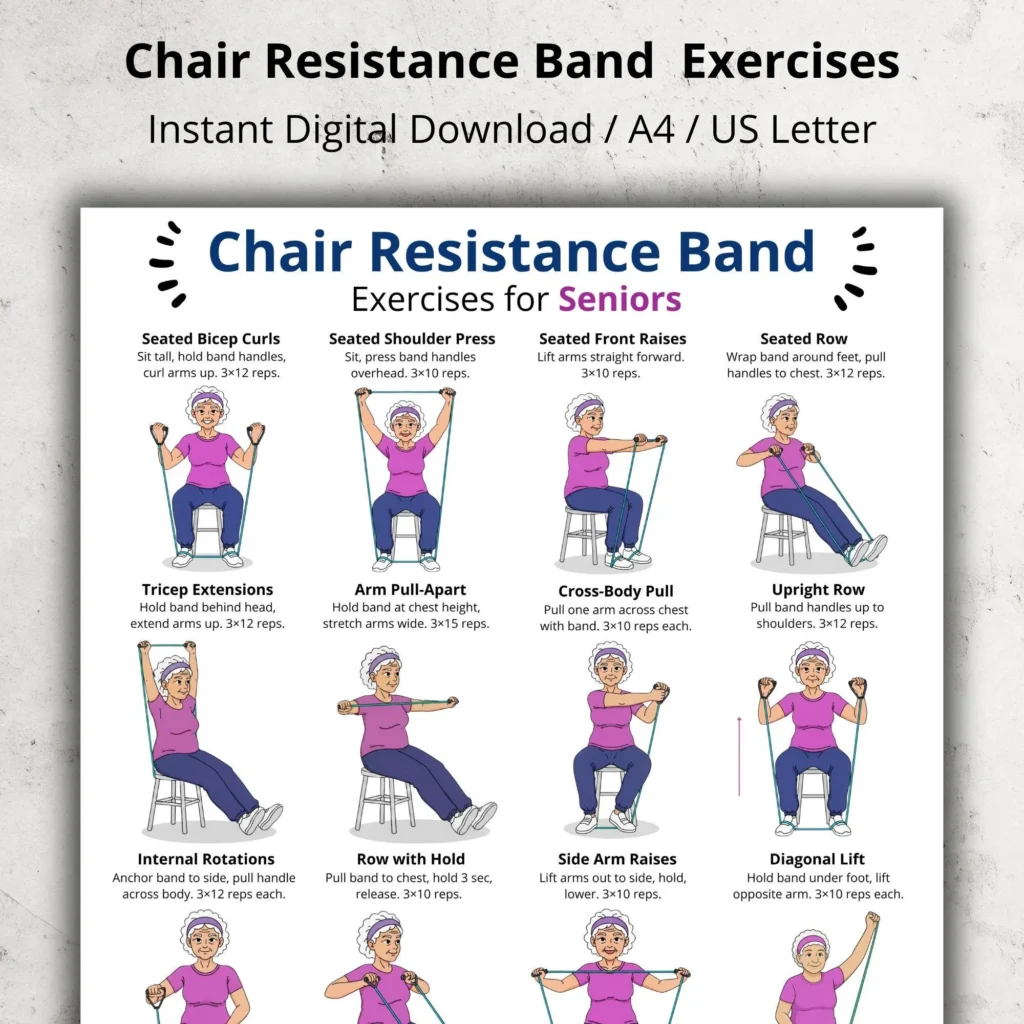
Comparison: Complex Workouts Vs Simple Strength Approach
| Approach | What Happens | Long-Term Result |
|---|---|---|
| Gym-Based Workouts | Structured but demanding | Hard to maintain |
| Random Exercises | Inconsistent effort | Limited progress |
| Cardio Only | Improves endurance | Doesn’t build strength |
| Simple Movement-Based Training | Easy to repeat | Builds lasting strength |
Because of this, simplicity leads to consistency—and consistency leads to results.
Practical Ways To Build Strength Into Daily Life
Instead of setting aside long workout sessions, focus on how you move throughout the day.
Real-Life Strength Examples
- Sit down slowly and stand up with control
- Carry items evenly without rushing
- Bend properly instead of avoiding the movement
- Push doors or objects with awareness
- Pull objects toward you with control
These actions may seem small, but over time, they build real strength.
Recommended: Simple Tools That Make It Easier
While you don’t need equipment, a few tools can support your progress.
- Resistance bands for gentle strength building
- Light dumbbells for controlled movement
- A stable chair for support and balance
These tools are simple, affordable, and easy to use consistently.
Recommended: Easy Setup That Removes Friction
One of the biggest barriers to strength is setup.
If something feels complicated, it’s easy to skip.
That’s why a simple setup works best:
- A small open space
- One sturdy chair
- A pair of light weights or bands
When everything is easy to access, you’re more likely to stay consistent.
A Small Shift That Changes Everything
Most people think strength comes from doing more.
However, strength often comes from doing the right things more often.
When you focus on how to build strength at home after 50, you stop chasing workouts and start building movement into your life.
At the same time, this connects directly with the 7 strength movements you need after 50, where simple patterns support everything you do.
A Simple Insight Worth Knowing
The National Institute on Aging explains that regular strength activity helps maintain independence and daily function as you age.
In other words, strength is not about performance—it’s about staying capable.
❓ FAQ
Can I Build Strength Without Heavy Weights?
Yes. Bodyweight and light resistance are enough when used consistently.
How Often Should I Practice?
Two to four times per week works well for most people.
Do I Need A Long Routine?
No. Short, consistent sessions are more effective.
Is This Safe For Beginners?
Yes, as long as you move slowly and with control.
When Will I Notice Results?
Most people notice improvement within a few weeks.
Final Thoughts
Building strength at home doesn’t require complicated routines or heavy equipment. What it requires is consistency, simplicity, and attention to how you move each day.
At first, the changes may feel small. However, over time, those small improvements begin to add up. Movements feel smoother. Tasks feel easier. Confidence returns without forcing it.
And that’s what real strength looks like—not pushing harder, but moving better in the moments that matter.
“Strength isn’t built in a gym—it’s built in the way you move every day.”
— Sam Ammouri
Some links in this article may be affiliate links, including links to Amazon and other partners. This means a small commission may be earned at no extra cost to you.