
Muscle loss rarely announces itself. It usually starts with small changes that are easy to dismiss. The stairs seem a little steeper than they used to. Carrying groceries requires more effort. A long walk leaves you feeling tired sooner than expected.
Because these changes happen gradually, many people don’t realize strength is declining until everyday activities become noticeably more difficult.
The good news is that muscle loss after 50 is not always an unavoidable part of aging. In many cases, the body can still respond surprisingly well to the right combination of movement, strength training, nutrition, and consistent daily habits.
Understanding why muscle loss happens is the first step toward protecting your strength, mobility, and independence for years to come.
Why Muscle Loss After 50 Matters
Muscles do far more than help us lift heavy objects.
They play an important role in:
- Maintaining balance and stability.
- Supporting healthy movement.
- Protecting independence.
- Supporting metabolism.
- Reducing fall risk.
As muscle mass declines, everyday activities often become more challenging.
Many adults notice reduced stamina, slower recovery, and increased difficulty performing tasks that once felt routine.
According to the National Institute on Aging explains that strength training helps older adults rebuild muscle, improve balance, and maintain independence—even when starting later in life.
Why Muscle Loss Happens As We Age
Several factors contribute to age-related muscle loss.
These include:
- Reduced physical activity.
- Natural hormonal changes.
- Lower protein intake.
- Increased sedentary time.
- Slower recovery from exercise.
The process often accelerates when people become less active because muscle tissue responds directly to use. When muscles are challenged regularly, they tend to stay stronger. When they are not used, strength gradually declines.
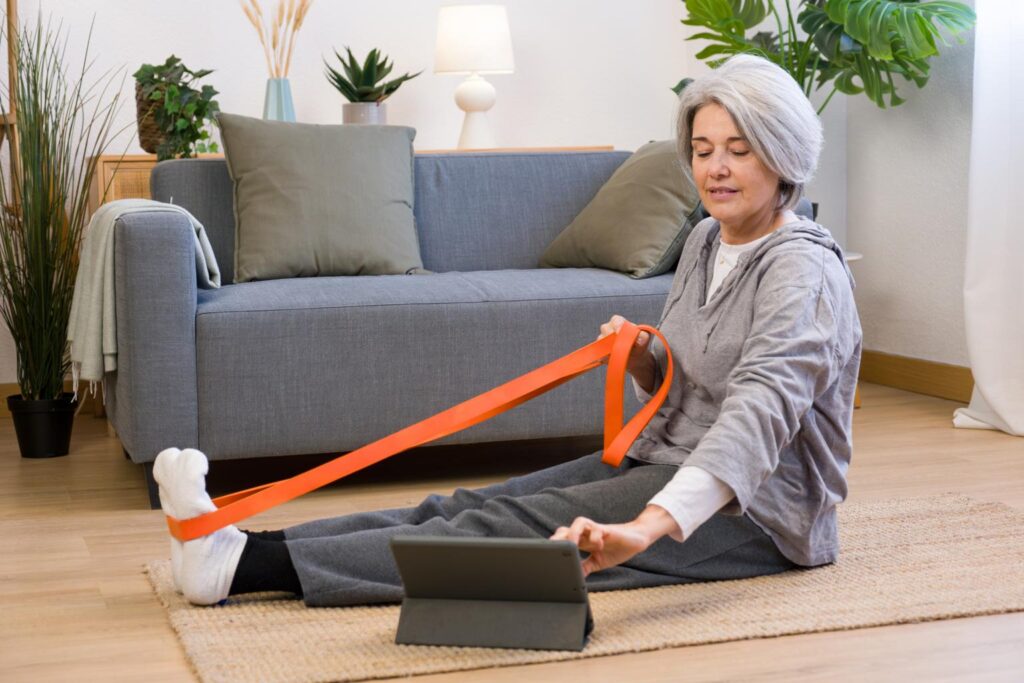
1. Resistance Bands Can Help Build Strength Safely
Strength training remains one of the most effective ways to support muscle health after 50.
Resistance bands provide adjustable resistance while placing less stress on the joints than some traditional gym equipment.
Many adults use resistance bands for exercises that target the legs, arms, shoulders, back, and core.
They can be especially useful for beginners or people returning to exercise after a long break.
⇒ See your choice of resistance bands here
2. Adjustable Dumbbells Can Support Progressive Strength Training
As strength improves, gradually increasing resistance becomes important.
Adjustable dumbbells allow users to perform a wide variety of strength exercises without requiring an entire rack of weights.
Exercises such as shoulder presses, rows, squats, and chest presses may help support overall muscle development.
Many adults appreciate the flexibility and convenience of adjustable weight systems at home.
⇒ See your choice of adjustable dumbbells here
3. Protein Supplements May Help Support Muscle Recovery
Protein provides the building blocks muscles need for repair and recovery.
While many people obtain adequate protein from food, some adults find it difficult to consume enough protein consistently throughout the day.
Protein powders and ready-to-drink protein products may help fill occasional gaps when used alongside a balanced diet.
They are often used after exercise or as part of a higher-protein eating plan.
⇒ See your choice of protein supplements here
4. Vitamin Supplements May Support Muscle Function
Vitamins play an important role in muscle function and overall health.
Many adults over 50 have lower vitamin D levels, particularly if they spend limited time outdoors.
When appropriate and recommended by a healthcare professional, vitamin D supplements may help support overall wellness as part of a healthy lifestyle.
⇒ See your choice of vitamin supplements below
Available at Amazon –
Vitamin B12
Vitamin B12 helps support energy production, nerve function, and brain health. Low levels become more common after 50 because absorption may decline with age.
Vitamin D
Vitamin D- plays an important role in bone strength, immune health, and muscle function—especially for adults who spend less time outdoors.
Magnesium
Magnesium supports muscle recovery, relaxation, sleep quality, and normal nerve function. Many people do not get enough magnesium through diet alone.
Fish Oil (Omega-3)
Omega-3 fatty acids– may help support heart health, joint comfort, and overall wellness as part of a healthy lifestyle.
Vitamin C
Vitamin C– supports immune function and helps protect cells from oxidative stress.
Potassium
Potassium– helps support healthy muscle function, hydration balance, and normal blood pressure levels.
5. Recovery Tools May Help Support Consistent Activity
Recovery is an important part of any strength-building plan.
Foam rollers, massage tools, and stretching aids are often used to help reduce stiffness and improve comfort after physical activity.
Many adults find that recovery tools help them stay consistent with exercise by supporting mobility and flexibility.
⇒ See your choice of muscle recovery tools here
Additional Habits That Help Preserve Muscle After 50
Products can help, but daily habits remain the foundation of muscle health.
Consider these practical strategies:
- Eat adequate protein throughout the day.
- Stay physically active.
- Walk regularly.
- Prioritize sleep and recovery.
- Stay hydrated.
- Avoid long periods of inactivity.
- Include balance and flexibility exercises.
Small improvements practiced consistently often lead to meaningful progress over time.
| Habit | How It May Help |
|---|---|
| Strength Training | Supports muscle growth and strength |
| Protein Intake | Supports muscle repair and recovery |
| Walking | Helps maintain mobility and endurance |
| Sleep | Supports recovery and muscle repair |
| Hydration | Supports muscle function and energy |
Frequently Asked Questions About Muscle Loss After 50
Can people over 60 still build muscle?
Yes. Research shows that muscles continue responding to strength training later in life, although progress may occur more gradually than in younger years.
How often should adults over 50 perform strength training?
Many experts recommend strength training at least two to three times per week, depending on individual fitness levels and health conditions.
Is walking enough to prevent muscle loss?
Walking is excellent for mobility and cardiovascular health, but strength training is generally needed to actively build and maintain muscle mass.
How much protein do older adults need?
Protein needs vary based on age, activity level, and overall health. A healthcare professional or registered dietitian can help determine individual needs.
What is the biggest mistake people make when trying to build muscle after 50?
Many people focus only on exercise while overlooking nutrition, recovery, and consistency. Long-term habits often matter more than short bursts of intense effort.
If you’re ready to start building strength, you may also find this related article helpful:
Final Thoughts
Muscle loss after 50 affects far more than appearance. It can influence strength, balance, mobility, and long-term independence.
Fortunately, age-related muscle loss is not necessarily permanent. Consistent strength training, proper nutrition, quality sleep, and regular movement can all help support stronger muscles over time.
Even small changes made consistently can lead to meaningful improvements in strength and confidence.
Affiliate Disclosure: Some links in this article may be affiliate links. As an Amazon Associate, PowerAt50Plus earns from qualifying purchases at no extra cost to you.
Sam Ammouri