
You look at the bottom of your foot… and notice thick, rough skin that wasn’t there before. Maybe it feels hard.
Maybe it’s slightly uncomfortable when you walk. Or maybe you’re just wondering why it keeps coming back.
If you’ve been asking why you get calluses on the bottom of your feet after 50, you’re not alone. It’s a very common change that shows up gradually—and in most cases, it’s completely manageable. No worries, there are simple reasons behind it—and even simpler ways to deal with it safely.
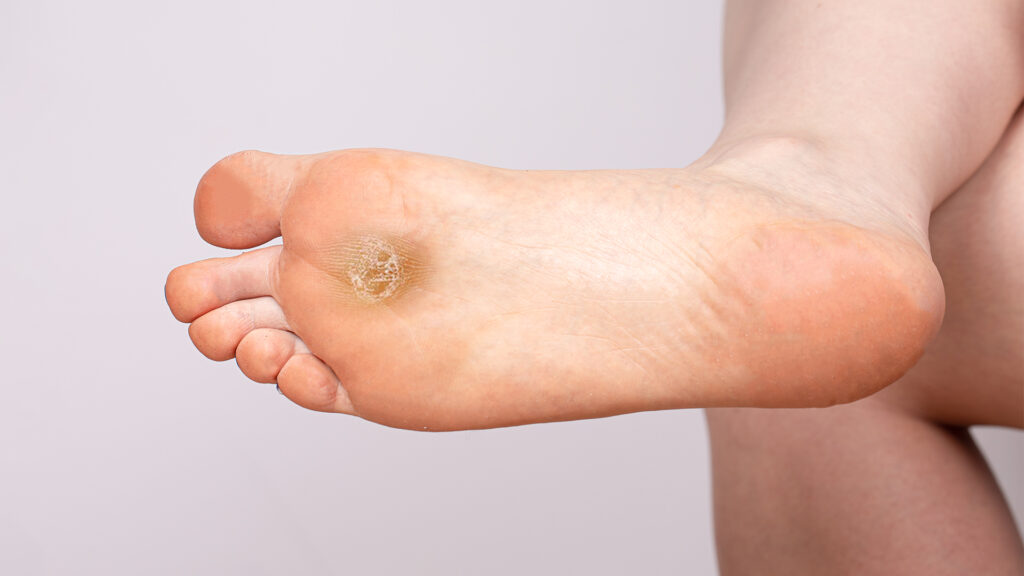
Why Do I Get Calluses on the Bottom of My Feet After 50?
Calluses form as a natural protective response to pressure, friction, and dryness—and these factors become more noticeable after 50.
Over time:
- The fat padding under your feet becomes thinner
- Skin becomes drier
- Pressure points increase
So your body builds thicker skin to protect those areas.
What’s Really Causing Foot Calluses?
1. Increased Pressure on Certain Areas
Walking, standing, and daily movement create pressure.
Common areas include:
- Heels
- Balls of the feet
- Sides of the toes
Over time, your skin responds by thickening.
2. Thinning Natural Cushion Under the Feet
As you age, the protective padding under your feet decreases.
That means:
- More direct pressure on bones
- Less shock absorption
So calluses form more easily.
3. Dry Skin Makes It Worse
Dry skin doesn’t flex well.
Instead, it:
- Hardens
- Cracks
- Builds up
This makes calluses thicker and more noticeable.
4. Footwear Plays a Bigger Role Than You Think
Shoes that:
- Don’t fit properly
- Lack cushioning
- Create friction
Can increase pressure in certain areas.
5. Repetitive Movement Over Time
Even normal walking patterns can create consistent pressure points.
This is very similar to what many people notice in Why Is It Harder to Stand Up From the Floor After 50?, where long-term pressure and movement patterns affect how the body responds.
A Simple Way to Look at It
Calluses aren’t the problem.
👉 They’re your body trying to protect your feet.
But too much buildup can become uncomfortable.
Simple Ways to Remove and Manage Calluses
You don’t need aggressive treatments—just consistent care.
1. Soften the Skin First
Before removing anything:
- Soak your feet in warm water
- Allow the skin to soften
This makes the process safer and easier.
2. Gently Remove Thickened Skin
Use:
These can be found on Amazon
👉 Always go gently—never force removal.
3. Keep Feet Moisturised
Daily moisturising helps:
- prevent buildup
- keep skin flexible
- reduce cracking
⇒ See feet Moisturisers on Amazon
4. Reduce Pressure Points
Simple changes help:
- Better footwear
- Cushioned insoles
- Avoiding prolonged pressure
5. Use Supportive Tools When Needed
Some people find that simple tools make this process easier and more consistent.
Click below if you wish to see your options on Amazon.
– Electric callus removers for controlled, gentle exfoliation
– Manual foot files for regular maintenance
– Urea-based foot creams to soften thick skin
– Cushioning insoles to reduce pressure
What Experts Say About Foot Calluses
According to the American Podiatric Medical Association, calluses form due to repeated pressure and friction on the feet. Proper foot care, moisturising, and reducing pressure can help manage them safely and prevent discomfort.
Why This Matters More Than You Think
Calluses may seem minor—but they can affect:
- Comfort while walking
- Balance
- Overall foot health
Managing them early keeps things simple.
Common Mistakes to Avoid
These habits can make calluses worse:
- Cutting them aggressively
- Ignoring dryness
- Wearing poorly-fitting shoes
- Skipping regular foot care
Gentle consistency works better than quick fixes.
FAQ: Calluses on the Bottom of the Feet After 50
Are calluses dangerous?
No, they are usually harmless—but they can become uncomfortable if thick.
Should I remove them completely?
Not completely—just reduce buildup gradually.
Do creams really help?
Yes, especially those designed to soften thick skin.
When should I see a professional?
If calluses become painful, very thick, or start cracking deeply.
You May Also Find Helpful
- Why Do My Feet Feel Cold Even When It’s Warm After 50? Causes and Simple Ways to Improve Circulation
- Why Do My Feet Go Numb When I Lie Down After 50? Causes and Simple Ways to Improve Circulation
- Why Do My Legs Feel Weak When I Walk After 50? Causes and Simple Ways to Improve Strength
Final Thoughts
If you’re getting calluses on the bottom of your feet after 50, it doesn’t mean something is wrong.
It means your body is responding to pressure—and with a little care, you can keep your feet comfortable and healthy.
Small steps make a big difference.
“There is no problem that has no solution and no illness that has no medicine.”
— Sam Ammouri
Medical Disclaimer
This content is for informational purposes only and is based on general health knowledge and everyday experiences. It is not intended as medical advice, diagnosis, or treatment. Always consult a qualified healthcare professional if you have concerns about your health or symptoms.
Affiliate Disclaimer
Some of the links in this article may be affiliate links, which means a small commission may be earned if a purchase is made—at no additional cost to you. These are only suggested when they may genuinely help support comfort, daily habits, or overall well-being.