
If you feel sleepy after eating after 50, you’re not alone. I remember noticing it myself—finishing a meal expecting energy, only to feel heavy, slow, and ready to lie down 20 minutes later.
At first, it feels confusing… almost frustrating.
In most cases, this happens because your body shifts into digestion mode. Blood flow moves toward your stomach, hormones change, and your system focuses on breaking down food instead of keeping you alert.
The good news is that this is very common, and with a few simple adjustments, you can reduce that heavy, sleepy feeling.
In most cases, feeling sleepy after eating after 50 is not dangerous, but it is a sign your body needs better balance in meals, movement, and daily energy habits.
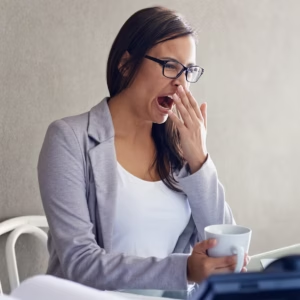
Can Eating Really Make You Feel Sleepy After 50?
Yes—and once you notice it, the pattern becomes obvious.
You eat… and instead of feeling energized, your body slows down.
This happens because digestion requires energy. As a result, your body temporarily shifts its focus away from alertness.
If your energy already feels low during the day, this effect becomes even more noticeable.
If you’ve also been dealing with ongoing fatigue, you may want to read Why Do I Feel Drained Even After Sleeping After 50? Causes and Simple Ways to Restore Energy since the two are often connected.
Common Causes of Feeling Sleepy After Eating After 50
Several factors can work together to create this effect.
Blood Sugar Spikes and Drops
Meals high in refined carbohydrates or sugar can cause a quick rise in blood sugar.
However, this is often followed by a drop, which can leave you feeling tired or foggy.
Your Body Is Working Harder to Digest
Digestion isn’t passive—it requires energy.
After 50, your body may take a little longer to process food. Because of that, more energy is directed toward digestion, leaving less available for alertness.
Larger Meals Hit Harder
Heavy meals can overwhelm your system.
As a result, your body slows down while it processes everything, which creates that “shutdown” feeling.
Certain Foods Drain Energy Faster
Some foods are more likely to cause sleepiness, including:
– Refined carbs
– Sugary foods
– Highly processed meals
These provide quick energy—but not stable energy.
Low Baseline Energy
If your sleep isn’t consistent or your energy is already low, the natural slowdown after eating becomes much more noticeable.
What Most People Don’t Realize About Post-Meal Sleepiness
Here’s something important:
It’s not just about what you eat—it’s about how your body responds to it.
After 50, your body becomes more sensitive to blood sugar changes, digestion load, and energy balance.
Once you understand this, it becomes much easier to manage.
Simple Ways to Stay Energized After Eating
Small adjustments can make a big difference.
Eat Smaller Portions
Instead of large meals, try slightly smaller portions.
Your body handles them more efficiently.
Balance Your Meals
Avoid relying only on carbohydrates.
Instead, include:
– Protein
– Healthy fats
– Fiber
This helps stabilize energy levels.
See more energy-stabilizing products that may help you
Move Gently After Eating
You don’t need exercise—just light movement.
A short 5–10 minute walk can help your body stay alert and improve digestion.
A Helpful Option Some People Use
If this happens often, some people find that simple tools help make these habits easier to follow consistently.
“Some people find that using simple supportive tools regularly helps maintain better energy after meals.”
– Portion control plates that help avoid overeating
– Comfortable walking shoes for easy post-meal movement
– Insulated water bottles to support hydration
Stay Hydrated Throughout the Day
Dehydration can quietly make fatigue worse.
Because of that, drinking enough water can improve how you feel after meals.
Another Helpful Option That Supports Energy Balance
Some people also find that supporting overall daily energy makes a difference, especially when meals tend to cause dips.
“Some people find that simple daily support tools can help maintain steadier energy levels throughout the day.”
– Daily energy support supplements
– Electrolyte hydration mixes
– Meal planning containers for balanced eating habits
What Experts Say About Feeling Sleepy After Eating After 50
- Mayo Clinic
Post-meal fatigue can be linked to blood sugar fluctuations, digestive demands, and the body’s nutrient processing after eating.
Common Mistakes That Make It Worse
Sitting or Lying Down Immediately
This can slow digestion and increase sluggishness.
Eating Very Large Meals
Large portions require more energy to process.
Relying on Sugar for Energy
This leads to quick spikes followed by crashes.
Ignoring Sleep Quality
Poor sleep increases daytime fatigue.
Frequently Asked Questions
Is it normal to feel sleepy after eating after 50?
Yes. It’s very common due to changes in digestion and blood sugar.
Why does it happen more after lunch?
Your natural energy dips in the afternoon, which adds to the effect.
Can certain foods make it worse?
Yes—especially high-carb and sugary meals.
Should I be concerned?
Most of the time, no. However, extreme or unusual fatigue should be checked.
You May Also Find Helpful
- Why Do I Feel Mentally Slower After 50? Causes and How to Sharpen Focus
- Why Do I Get Brain Fog After 50? Causes and Ways to Clear It
- Why Do I Feel Lightheaded After 50? Causes and Simple Ways to Steady Yourself
Final Thoughts
If you feel sleepy after eating after 50, it’s usually your body responding to how it processes food and energy.
The key is not to fight it—but to work with it.
With a few small adjustments, you can stay more alert, balanced, and in control of your energy throughout the day.
“There is no problem that has no solution and no illness that has no medicine.”
— Sam Ammour
Note:
Some links in this article may be affiliate links. If you choose to purchase them, I may earn a small commission at no extra cost to you.
I’m not a doctor or a medical professional. I’m sharing what I’ve learned through my own experience and research. This information is for general understanding only and should not replace professional medical advice.